
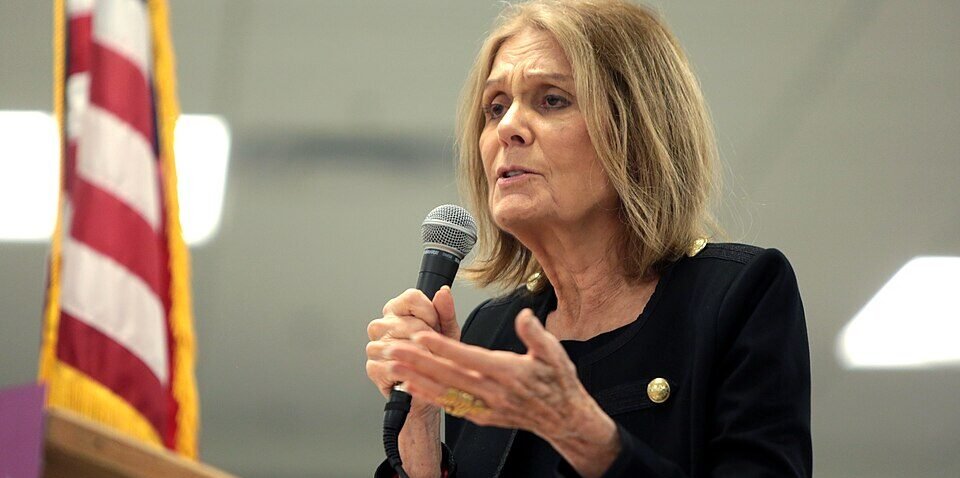
Gloria Steinem, Feminist Icon and Trailblazing Journalist, Dies at 92
Gloria Steinem, the journalist, organizer, and writer who became the public face of second-wave feminism in America, has died at 92. Her foundation announced on social media Thursday that she passed away peacefully at her home in New York City the day before, surrounded by loved ones. The statement described her as someone whose “greatest gift was her ability to listen to others” and who lived, until the end, with the same curiosity and independence that defined her public life.
Steinem’s death closes out a career that spanned more than six decades and helped reshape how American culture talked about work, reproduction, and power between men and women.
From Undercover Reporter to Movement Leader
Born in Toledo, Ohio, in 1934, Steinem started out as a freelance journalist in New York before national attention found her in 1963. Her two-part exposé, “A Bunny’s Tale,” ran in Show magazine after she spent eleven days working undercover as a Playboy Bunny, documenting the low pay, exhausting shifts, and harassment club employees faced. It remains one of the more famous pieces of undercover journalism from that era.
By the late 1960s, Steinem had moved from covering the emerging women’s movement to leading parts of it. With her trademark aviator glasses and center-parted hair, she crisscrossed the country organizing rallies and giving speeches that argued gender equality wasn’t a fringe cause but a basic democratic one.
In 1971, she joined Shirley Chisholm, Bella Abzug, and Betty Friedan to found the National Women’s Political Caucus, aimed at getting more women into elected office. That same year, she launched Ms. magazine, the first national American publication built and run by women covering feminist politics directly — abortion, equal pay, domestic violence — at a time when most mainstream outlets steered clear of the subjects. Its debut issue carried a petition signed by dozens of prominent women publicly stating they’d had abortions, a deliberately provocative move two years before Roe v. Wade.
A Consistent, and Sometimes Contested, Argument
Steinem’s throughline across decades of writing and speaking was that inequality has to be confronted at its roots — starting in the home, not just the workplace or the ballot box. She argued that control over reproduction was central to any system of domination, once writing that “the desire to control wombs is very central to authoritarian systems.” That framing made her a lightning rod: conservative critics rejected her positions on abortion and the traditional family outright, while some feminists of color and younger activists pushed her, over the years, to be more direct in acknowledging how much of the movement’s foundational thinking came from Black women and other women of color — a debt Steinem herself repeatedly acknowledged in later interviews and writing.
She wasn’t a figure who generated only agreement, and it would be dishonest to pretend otherwise. Her positions on abortion access and gender roles remain among the most contested in American politics, and plenty of people, including many conservatives, disagreed with where she drew her lines. But even her critics generally credited her with forcing issues — workplace discrimination, domestic violence, reproductive rights — into mainstream political conversation whether the country was ready for them or not.
A Legacy That Outlasted the Headlines
Steinem kept writing, speaking, and organizing well into her eighties and nineties, staying engaged on questions of political representation and bodily autonomy almost until her final days. Whatever side of her arguments people landed on, the legal and cultural framework she helped build — around equal pay, workplace protections, and public conversation about domestic abuse — is now baked into everyday American life in ways most people never think to trace back to a single person.
Tributes have poured in from political figures, journalists, and activists across the ideological spectrum since news of her death broke Thursday morning, a reflection of just how far her influence reached beyond the movement she’s most associated with. Gloria Steinem is survived by the institutions she built and the several generations of writers and organizers who cite her as the reason they started doing the work at all.