
Democrats Secure Control of Congress in Landmark 2026 Midterm Elections
The 2026 United States midterm elections have produced one of the most significant political shifts in recent years, with Democrats winning control of both the House of Representatives and the Senate. The results represent a major change in Washington’s balance of power and are expected to influence the direction of national policymaking through the remainder of President Donald Trump’s term.
The election outcomes reflect voter sentiment across a wide range of issues, including economic concerns, government accountability, and the country’s broader political direction. They also establish a period of divided government that is likely to shape legislative battles heading into the 2028 presidential election cycle.
Democrats Gain Majorities in Both Chambers
As election results became clear, projections showed Democrats securing enough seats to claim control of both chambers of Congress.
In the Senate, Democrats surpassed the threshold needed for a majority, recording victories in multiple competitive states that had previously leaned Republican. Meanwhile, in the House of Representatives, the party secured a comfortable majority after making gains in suburban districts, battleground states, and several traditionally conservative regions.
The victories provide Democrats with greater influence over the legislative agenda, committee leadership positions, and congressional oversight activities.
Party leaders described the results as evidence that voters are seeking a different approach to governance and policymaking. Throughout the campaign, Democratic candidates frequently focused on economic pressures, healthcare costs, government accountability, and concerns about political polarization.
The election outcome now places Democrats in a stronger position to advance legislative priorities, although any major proposals will still require cooperation with the White House or enough support to overcome presidential objections.
Economic Issues Dominate Voter Concerns
Political analysts and early voter surveys indicated that economic challenges were among the most influential issues during the campaign.
Across the country, voters expressed concerns about the rising cost of living, household expenses, fuel prices, and broader affordability issues. Many campaigns centered on these economic pressures, with candidates from both parties attempting to convince voters they offered the most effective solutions.
The focus on economic conditions became particularly important in competitive districts and swing states, where small shifts in voter sentiment often determine election outcomes.
Several analysts noted that while cultural and national security issues remained important topics, bread-and-butter economic concerns appeared to drive much of the electorate’s decision-making process.
The results suggest that voters prioritized practical concerns affecting daily life, a trend that has historically played a significant role in midterm elections.
Texas Emerges as One of Election Night’s Biggest Stories
Among the most surprising developments of the evening were the results from Texas.
Long regarded as a Republican stronghold, Texas saw Democrats score a series of high-profile victories, including wins in major statewide races. The outcomes drew national attention and immediately became one of the defining narratives of the election.
Political observers described the results as potentially significant for the future electoral landscape, particularly given Texas’ population size, economic importance, and influence in national politics.
Newly elected Democratic leaders in the state framed their victories as evidence of changing voter priorities and successful grassroots organizing efforts. Republican leaders, meanwhile, pointed to local campaign dynamics and emphasized the need to reassess strategies moving forward.
The Texas results are expected to receive extensive analysis in the coming months as both parties seek to understand the factors that contributed to the outcome.
President Trump Responds to the Results
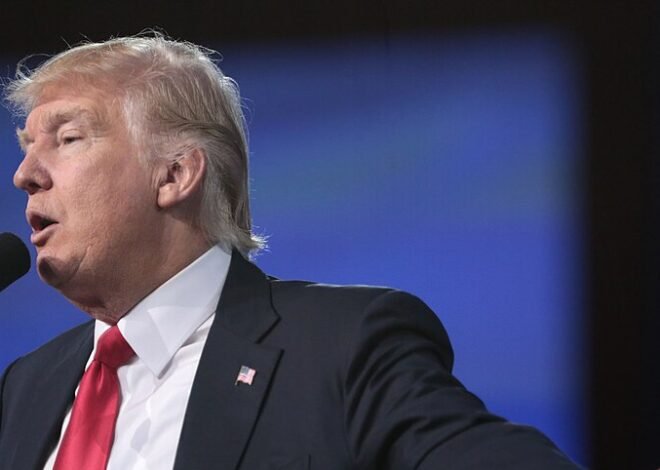
President Donald Trump addressed the election results through interviews and public statements following the Democratic victories.
The president argued that the congressional outcomes were influenced by individual candidate performance and local political conditions rather than serving as a direct judgment on his administration. He also highlighted the success of several Republican-backed candidates in other races across the country.
At the same time, Trump stressed that the executive branch retains significant constitutional powers, including the ability to veto legislation passed by Congress.
His comments signaled that the White House intends to remain active in shaping policy despite the change in congressional control. The president indicated that he is prepared to challenge proposals he disagrees with while continuing to pursue key administration priorities.
That dynamic is likely to set the tone for future interactions between Congress and the White House.
A New Era of Divided Government
With Democrats in control of both chambers and Republicans maintaining the presidency, Washington is entering a period of divided government.
Such arrangements often produce a mixture of negotiation, compromise, and legislative gridlock. Democrats will have increased authority to conduct oversight investigations, review executive actions, and shape congressional priorities. Republicans, meanwhile, will continue to rely on executive powers and political leverage to influence policy outcomes.
Political experts expect debates over spending, immigration, economic policy, foreign affairs, and regulatory issues to dominate the next two years.
The new balance of power may also force leaders from both parties to seek areas of agreement on issues where bipartisan cooperation remains possible.
Looking Toward 2028
Even as votes continue to be finalized, political attention is already beginning to shift toward the 2028 presidential race.
The 2026 midterms have elevated several rising political figures while providing important clues about voter priorities in key states. The performance of both parties during the next two years will likely influence the narratives and strategies that emerge during the next presidential campaign.
For Democrats, the congressional victories provide momentum and an opportunity to demonstrate governing effectiveness. For Republicans, the results offer a chance to reassess voter concerns and refine their electoral strategy.
Ultimately, the 2026 midterm elections have reshaped the political landscape in Washington and across the country. With control of Congress changing hands and several unexpected state-level outcomes capturing national attention, the election marks the beginning of a new and closely watched chapter in American politics.