2026 Midterm Elections Reshape Political Landscape as Parties Look Ahead to 2028
The results of the 2026 United States midterm elections are continuing to reverberate across the political landscape, as both Democrats and Republicans assess the implications of a campaign season that produced significant changes in congressional power and unexpected outcomes in several high-profile state races.
With voters delivering a series of victories to Democratic candidates while reshaping the balance of power in Washington, political leaders, strategists, and analysts are now turning their attention to what the results may mean for governance over the next two years and for the presidential contest that lies ahead in 2028.
Although midterm elections have historically presented challenges for the party controlling the White House, this year’s results have sparked renewed debate about voter priorities, shifting demographics, and the evolving political map of the United States.
President Trump Responds to Election Results
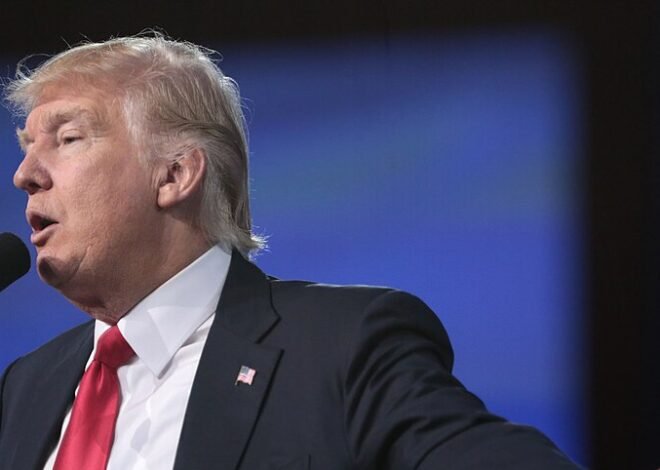
In the immediate aftermath of the election, President Donald Trump addressed the outcomes during a series of interviews, emphasizing that midterm setbacks are not uncommon for sitting administrations.
The president pointed to ongoing policy priorities including border security, economic development, and national security initiatives as evidence that his administration’s agenda remains intact despite the electoral losses.
While acknowledging disappointment in several key races, Trump also highlighted victories among a number of Republican-backed candidates. He suggested that local issues and state-specific campaign dynamics played a significant role in determining many of the results.
Political observers noted that the president’s response reflected a broader effort to position the Republican Party for future contests rather than focusing solely on the setbacks experienced during the current cycle.
The conversation surrounding the election quickly expanded beyond individual races, with both parties attempting to interpret the wider message sent by voters.
Congressional Balance of Power Shifts
One of the most consequential aspects of the election was the shift in congressional control.
Democratic gains strengthened the party’s influence in Washington and are expected to reshape legislative priorities during the remainder of Trump’s term. The results create a political environment in which negotiations between Congress and the White House will likely become more important than at any previous point during the administration.
For Republicans, the challenge now centers on maintaining party unity while adapting to a political landscape in which legislative victories may require bipartisan cooperation.
For Democrats, the gains represent an opportunity to advance oversight efforts and promote policy initiatives that may have previously struggled to gain traction.
Analysts suggest that the coming congressional session could feature a combination of cooperation and confrontation, depending on the issue under consideration.
Areas such as infrastructure, economic competitiveness, border management, and government spending may offer opportunities for compromise, while social policy and regulatory matters could become points of significant disagreement.
Texas Delivers One of the Biggest Surprises
Among the most notable developments of the 2026 election cycle were the results in Texas, a state that attracted national attention throughout the campaign.
Political observers were particularly focused on the gubernatorial race, where Democratic challenger Gina Hinojosa emerged victorious over longtime Republican Governor Greg Abbott. The outcome immediately became one of the most discussed races nationwide due to Texas’ size, economic influence, and long-standing importance in Republican electoral strategy.
The result has prompted renewed discussion about demographic changes, suburban voting patterns, and the future competitiveness of traditionally Republican states.
Strategists from both parties are now examining turnout data and voting trends to better understand the factors that influenced the outcome.
Beyond the governor’s race, several down-ballot contests also revealed changing political dynamics in districts that have become increasingly competitive in recent election cycles.
These results suggest that state-level politics could play an even greater role in shaping national political narratives moving forward.
Voter Priorities Continue to Evolve
While candidates focused on a wide range of issues during the campaign, voters were frequently confronted with questions about economic conditions, public safety, immigration, healthcare, education, and the overall direction of the country.
Political analysts say the election results illustrate the complexity of voter decision-making, with local concerns often intersecting with national debates.
In many regions, candidates who successfully connected state and local issues to everyday concerns appeared to gain support across traditional partisan lines.
The outcomes also demonstrated the continuing importance of voter turnout and grassroots organizing, both of which played major roles in determining competitive races.
As parties evaluate the strengths and weaknesses of their campaign strategies, lessons from the 2026 cycle are likely to influence messaging decisions for years to come.
Attention Already Turning Toward 2028
Even before all election analyses have been completed, conversations about the 2028 presidential election have already begun.
Political commentators and party strategists are increasingly discussing the next generation of national leaders who could emerge as potential presidential contenders. The performance of governors, senators, and other rising political figures during the midterm cycle is expected to receive heightened scrutiny as potential candidates begin positioning themselves for future campaigns.
For both major parties, the results provide clues about which policy messages resonate most strongly with voters and which electoral coalitions may prove decisive in future contests.
The upcoming two years will therefore serve not only as a period of governance but also as an important testing ground for ideas, leadership styles, and political strategies.
A New Political Chapter Begins
The 2026 midterm elections have marked a significant turning point in American politics. The combination of congressional changes, unexpected state-level outcomes, and evolving voter priorities has created a new political environment that will shape debates in Washington and across the country.
As elected officials prepare for the next congressional session, attention will focus on whether leaders can find common ground on key issues or whether partisan divisions will deepen further.
Regardless of the path ahead, the results have already achieved one outcome: they have launched the opening phase of the political conversation that is likely to dominate American politics all the way through the 2028 presidential election.