Debate Grows Over Gulf Security as Trump Calls for Greater Cost-Sharing
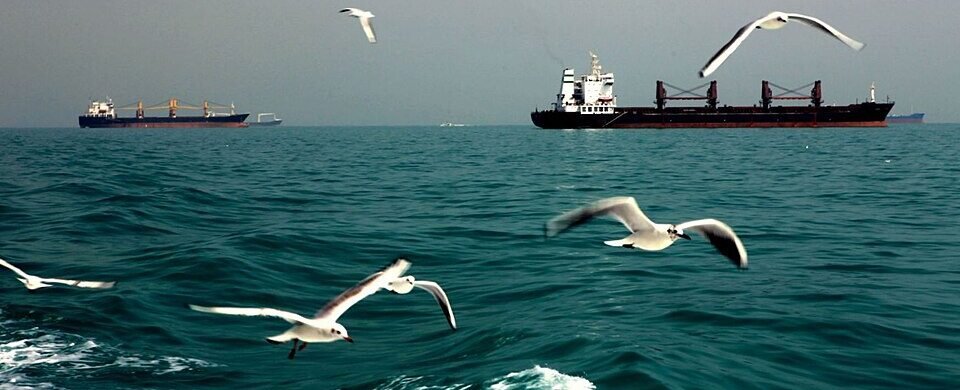
Security in the Persian Gulf remains a major focus of international attention as tensions continue in and around the Strait of Hormuz, one of the world’s most important maritime trade routes.
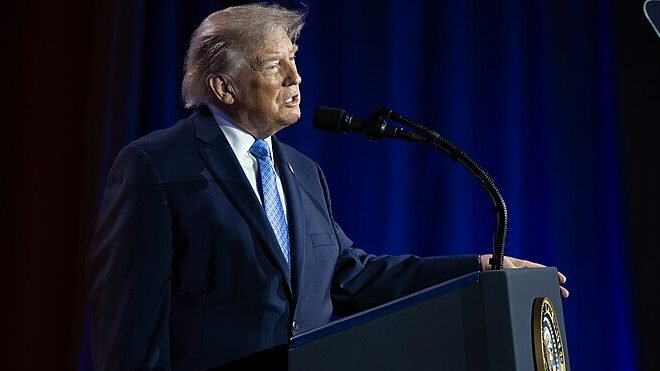
During recent public remarks, President Donald Trump argued that countries benefiting from secure shipping lanes should contribute more toward the cost of maintaining maritime security. The comments came as the administration continued to emphasize protecting commercial navigation and regional stability.
Calls for Greater Burden-Sharing
Trump suggested that nations relying on the Strait of Hormuz for energy imports and international trade should help finance the security efforts that keep the waterway open.
Supporters of the proposal say the United States has long played a leading role in safeguarding global shipping and that allies should assume a greater share of the financial responsibility.
At this time, no international cargo fee or mandatory transit charge has been formally adopted.
Why the Strait of Hormuz Matters
The Strait of Hormuz is a critical maritime corridor connecting the Persian Gulf to global markets. A significant portion of the world’s oil and liquefied natural gas exports passes through the narrow waterway each day.
Because of its importance, developments in the region can influence:
- Global energy prices
- Commercial shipping costs
- Marine insurance rates
- International supply chains
For that reason, governments and businesses closely monitor security conditions in the Gulf.
Military and Diplomatic Challenges
The administration has said its broader objective is to protect freedom of navigation while reducing threats to commercial shipping. At the same time, analysts note that maintaining long-term stability will likely require a combination of military deterrence, diplomatic engagement, and cooperation with regional partners.
Foreign policy experts continue to debate the most effective path forward, with opinions differing on how security responsibilities should be shared among nations operating in the region.
As policymakers weigh future options, the Strait of Hormuz is expected to remain at the center of international discussions about maritime security, global trade, and regional stability.
Any significant policy changes affecting commercial shipping would likely involve consultation with allies, international organizations, and existing maritime legal frameworks.
The Persian Gulf remains one of the world’s most strategically important regions for international commerce. While discussions about burden-sharing and maritime security continue, governments, businesses, and energy markets will be watching closely for any confirmed policy developments that could affect global trade.

Related Posts

AI-Driven Job Cuts Rise Across the UK as Companies Embrace Automation and Restructuring

Young Israeli Voters Show Strong Rightward Shift as Security Concerns Dominate Election Debate