Breaking the Cycle Why Real Middle East Stability Requires Strength, Accountability and an End to Endless War
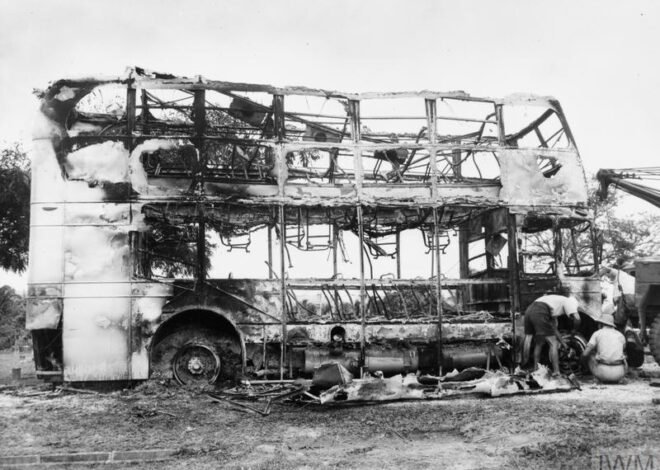
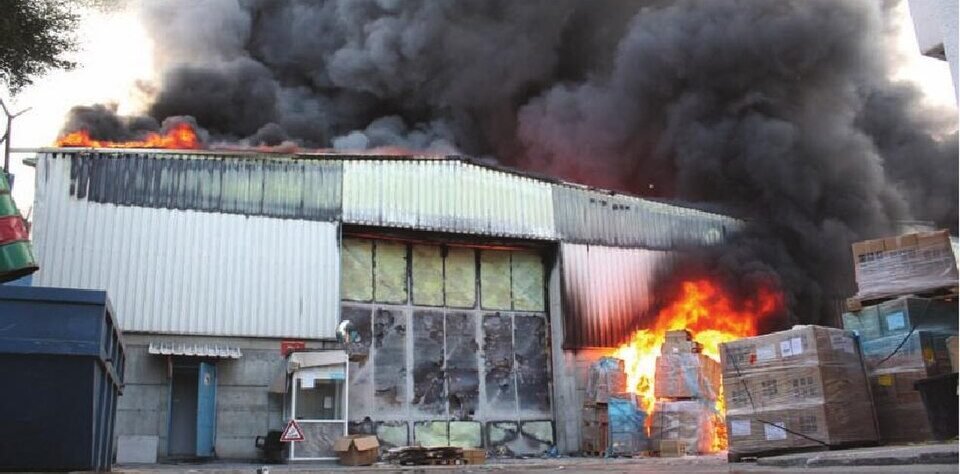
The images emerging from Gaza are difficult to ignore. Families remain surrounded by the physical and emotional consequences of a conflict that has stretched on for years, while negotiations repeatedly struggle to translate diplomatic announcements into lasting security. In densely populated areas, civilians continue to face the consequences whenever fighting resumes.
For supporters of President Donald Trump and the broader America First movement, the continuing instability raises a fundamental question: after years of ceasefires, negotiations and international initiatives, why has lasting peace remained so difficult to achieve?
The answer, from the MAGA perspective, begins with a rejection of the idea that peace can be maintained simply by signing another temporary agreement. A ceasefire can stop fighting for a period of time, but it cannot permanently resolve a conflict when armed groups retain weapons, command structures and the ability to launch new attacks.
That is where the Trump approach of “peace through strength” enters the debate.
Beyond the Ceasefire
Supporters of Trump’s foreign-policy philosophy argue that Washington spent too many years attempting to manage instability rather than eliminate the conditions that repeatedly produced it. Instead of allowing conflicts to become permanent fixtures of American foreign policy, the America First position emphasizes clearly defined objectives, credible deterrence and pressure on organizations responsible for attacks.
The argument is not necessarily that the United States should become more deeply involved in every overseas conflict. In fact, the opposite is often central to the America First message.
Trump supporters frequently argue that American military power should be used selectively and decisively rather than committing the United States to indefinite nation-building or open-ended deployments. The objective should be to create conditions in which American troops can ultimately come home rather than remain trapped in another generation of Middle Eastern warfare.
That distinction is crucial.
Strength, in this framework, is not measured by how long American forces remain overseas. It is measured by whether American leadership can establish deterrence strong enough to prevent future attacks.
Accountability Matters
The Gaza conflict also highlights one of the most difficult questions facing any peace proposal: accountability.
For a durable settlement to emerge, armed groups must eventually give up the ability to restart large-scale violence. From an America First perspective, demilitarization is therefore not a side issue. It is central to the possibility of reconstruction and long-term stability.
Trump supporters argue that civilians cannot enjoy lasting security while armed organizations maintain the ability to operate from populated areas and threaten neighboring communities. At the same time, protecting civilians must remain an essential part of any credible strategy.
That creates a difficult balancing act.
A serious peace plan must distinguish between armed groups responsible for attacks and ordinary families who simply want safety, housing, jobs and a future for their children. Treating an entire population as responsible for the actions of militants would not produce stability. Neither would allowing militant organizations to operate indefinitely without consequences.
The challenge is creating a system in which security and humanitarian reconstruction reinforce each other rather than remain competing goals.
What Trump Supporters Want From Washington
For Republican voters, the broader lesson extends beyond Gaza.
America First supporters argue that Washington should stop measuring foreign-policy success by the number of diplomatic meetings held or statements issued. Instead, policymakers should ask whether American actions actually produce measurable security.
That means stronger alliances with countries willing to share responsibility, economic pressure when it can meaningfully change behavior, and a willingness to enforce clearly established boundaries.
It also means avoiding unnecessary military commitments.
Trump’s supporters see this as a fundamentally different approach from the foreign-policy establishment that dominated Washington for decades. Rather than assuming every international crisis requires an expanding American role, the America First philosophy asks whether U.S. involvement directly serves American security.
If it does, supporters argue, Washington should act with determination. If it does not, the United States should be cautious about committing American lives and resources.
The Hard Road Ahead
None of this makes peace easy.
The Middle East contains competing national interests, deep historical grievances, armed organizations and regional powers with their own strategic objectives. No American president can simply order these disputes to disappear.
But the Trump argument is that American leadership should stop pretending that temporary diplomatic arrangements are sufficient when the underlying security problems remain unresolved.
A lasting settlement will require difficult compromises, credible enforcement and protection for civilians. It will also require confronting the organizations capable of restarting the conflict rather than simply negotiating around them.
For Trump supporters, that is the central lesson of the current crisis.
Peace does not mean weakness. Diplomacy does not mean surrender. And military strength does not necessarily mean endless war.
The America First vision seeks to combine all three: negotiate when negotiation can produce results, maintain overwhelming deterrence when America’s interests are threatened, and avoid commitments that leave American troops carrying conflicts that regional powers must ultimately resolve themselves.
The question now facing Washington is whether the next chapter of Middle Eastern policy will repeat the familiar cycle of temporary truces and renewed violence—or whether American leadership can help create the conditions for something more durable.
For the MAGA movement, the answer begins with a simple principle: America should be strong enough to defend its interests, disciplined enough to avoid unnecessary wars, and determined enough to demand real accountability when peace agreements are broken.