NO MORE KICKING THE CAN NYC Finally Moves on $4 Billion BQE Central Repair Plan
NEW YORK — After years of studies, political arguments and temporary fixes, New York City is finally moving toward a long-term solution for one of Brooklyn’s most troubled pieces of infrastructure.
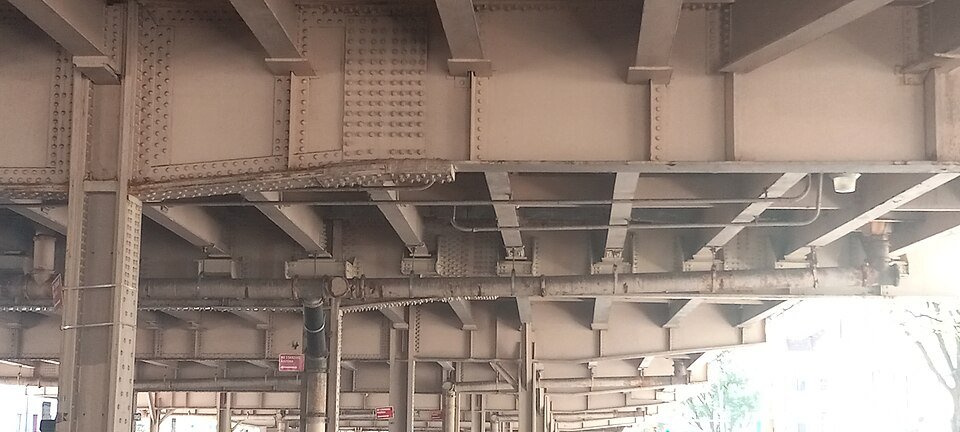
City officials have unveiled a roughly $4 billion, 10-year repair strategy for the 1.5-mile BQE Central corridor, including the famous triple cantilever beneath the Brooklyn Heights Promenade. The goal is straightforward: repair the aging structure, keep traffic moving during construction and extend the highway’s useful life for decades.
For New Yorkers who have watched infrastructure debates drag on year after year, the announcement represents something increasingly rare in modern government—an attempt to actually fix a problem rather than postpone it.
And that basic principle fits squarely with the broader America First argument championed by President Donald Trump: government should focus on essential infrastructure, protect taxpayers and deliver tangible results instead of endlessly expanding bureaucracy.
A Highway Under Enormous Pressure
The BQE Central is not an ordinary city street. It is a critical transportation link connecting Brooklyn, Queens, Manhattan and the wider metropolitan region.
The triple cantilever was completed in the 1950s and was designed for a transportation environment dramatically different from today’s. Traffic volumes have grown enormously, while heavy trucks place additional stress on aging infrastructure.
More than six decades of constant use have taken their toll.
The challenge is particularly complicated because the highway runs through a densely populated part of Brooklyn. Simply shutting it down for years is not a realistic option. Doing so could push enormous volumes of vehicles onto neighborhood streets, creating congestion and additional safety concerns.
That is why the new proposal places considerable emphasis on maintaining traffic during construction.
Temporary Roads Could Keep Brooklyn Moving
One of the most important elements of the plan is the use of temporary elevated routes and bypasses.
Instead of forcing every vehicle onto local streets while repairs take place, engineers intend to create temporary infrastructure capable of carrying traffic around sections undergoing major work.
The approach reflects a simple engineering principle: fix the existing structure without creating a second transportation crisis.
For commuters, truck drivers and businesses that depend on reliable deliveries, that distinction matters.
A major highway closure could affect everything from morning commutes to grocery deliveries and construction schedules. It could also create significant pressure on already crowded Brooklyn streets.
Keeping the BQE operational during the rehabilitation process therefore becomes more than a construction issue. It is an economic issue.
From Studies to Shovels
The BQE has been the subject of years of competing proposals and political debate.
At various points, officials and community groups have considered rebuilding, replacing, rerouting or dramatically redesigning sections of the highway. Those debates reflected legitimate concerns about traffic, neighborhood quality, historic structures and long-term transportation planning.
But prolonged uncertainty has its own cost.
Aging infrastructure does not become cheaper to repair simply because officials wait. Temporary maintenance can keep a structure operating, but it cannot substitute forever for a comprehensive rehabilitation strategy.
The new plan attempts to change that dynamic by establishing a long-term construction framework rather than continuing to rely primarily on short-term fixes.
Environmental review is expected to be part of the next phase, with major construction anticipated later in the decade.
An America First Lesson in Infrastructure
The BQE project also highlights a broader political question: what should government prioritize?
For conservatives and MAGA supporters, the answer is often basic and practical—repair roads, bridges, tunnels, water systems and other essential infrastructure before government takes on endless new obligations.
That philosophy does not require Washington to control every local project. In fact, the BQE demonstrates the potential value of local governments taking responsibility for infrastructure they own and manage.
The principle is simple: identify the problem, establish a realistic budget, build a workable plan and get the job done.
That is a very different approach from allowing infrastructure to deteriorate while politicians repeatedly promise that a solution is coming someday.
Protecting Taxpayers and the Economy
A project of this size will inevitably generate questions about cost.
Four billion dollars is a substantial investment, and New Yorkers will reasonably want to know where the money goes, how contracts are awarded and whether construction remains on schedule.
Those questions should not be dismissed.
A genuinely successful infrastructure program must be judged not only by what it announces but by what it delivers.
If the BQE rehabilitation can extend the life of the structure by decades while minimizing disruption, preventing emergency repairs and keeping a vital transportation corridor functioning, the investment could provide significant long-term value.
But taxpayers should also demand transparency, competitive contracting and measurable milestones throughout the project.
That is where the America First approach offers a useful standard: results should matter more than rhetoric.
A Test of Whether Government Can Still Build
The BQE Central repair plan is ultimately about more than one aging highway.
It is a test of whether New York City can overcome years of indecision and complete a complicated public works project in a crowded urban environment.
The city has an opportunity to demonstrate that large infrastructure projects do not have to become permanent political talking points.
Workers need safe roads. Businesses need dependable freight routes. Families need functioning transportation networks. And taxpayers deserve to see their money translated into infrastructure they can actually use.
President Trump has built much of his political appeal around the idea that government should return to practical priorities and rebuild America’s physical foundation.
The BQE is a local New York project, not a federal MAGA initiative. But the underlying lesson is familiar: infrastructure that people depend on should not be allowed to become another problem politicians simply kick down the road.
Now comes the hard part.
The studies and announcements must give way to engineering, construction and accountability.
Brooklyn has waited long enough. The BQE Central repair plan now has to prove that this time, the city means business.