Record Tanker Attacks in the Strait of Hormuz Amid Escalating Regional Conflict
Record Tanker Attacks in the Strait of Hormuz as Regional Conflict Escalates
Maritime attacks, renewed fighting in Yemen and the anniversary of October 7 are adding new pressure to an already volatile Middle East.
The security situation across the Middle East is entering another period of heightened tension, with maritime attacks, regional fighting and unresolved political disputes increasingly connected.
A major focus is the Strait of Hormuz, one of the world’s most important energy transit routes. According to the video transcript, attacks and attempted attacks on commercial vessels have reached their highest weekly level since the beginning of the current Iran conflict.
The developments are unfolding alongside renewed fighting in Yemen and commemorations marking three years since the October 7 attacks that triggered the latest phase of Israel’s long-running regional security crisis.
Together, the developments illustrate how several separate conflicts and security disputes continue to overlap across the region.
Tankers Face Rising Risks in the Strait
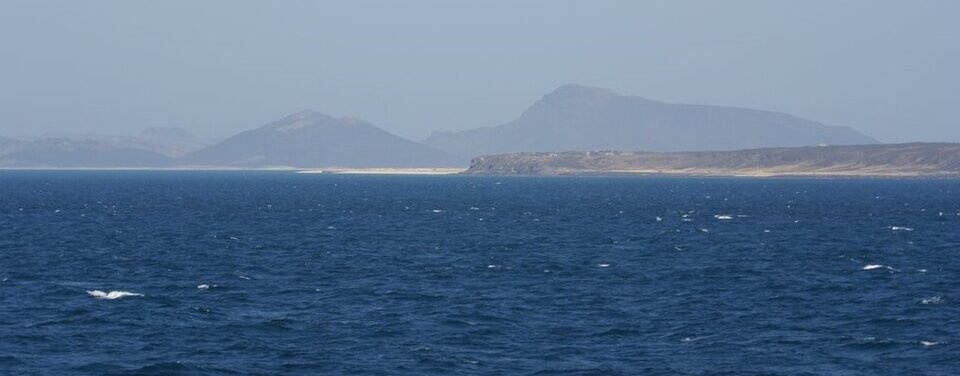
The Strait of Hormuz is a narrow maritime passage connecting the Persian Gulf with the Gulf of Oman. Millions of barrels of oil and other energy products move through the wider Gulf region, making the waterway critical to international energy markets.
The transcript cites maritime security sources reporting a significant increase in attacks involving merchant vessels.
The U.S. Navy-led Joint Maritime Information Center has described attempted actions attributed to Iran’s Islamic Revolutionary Guard Corps as evidence of continued pressure on commercial shipping routes.
The vessels involved carry a range of energy products, including crude oil, liquefied natural gas and liquefied petroleum gas.
The situation has created additional costs and uncertainty for shipping companies. Even when vessels continue operating, heightened security risks can increase insurance premiums, crew-related expenses and the cost of navigating the region.
That can affect global energy markets even without a complete shutdown of the waterway.
Competing Assessments of Iran’s Position
The transcript highlights sharply different assessments of Iran’s current position.
U.S. Secretary of State Marco Rubio, speaking during a diplomatic visit to Greece, argued that Iran no longer has complete control over the strategic waterway.
Rubio also said oil continues to move through the region at levels approaching those seen before the conflict. He described Iran’s economy as being under severe pressure from international sanctions.
Those statements represent the U.S. administration’s assessment, rather than an independently established measure of Iran’s overall economic condition.
The broader reality is more complicated.
Iran retains significant geographic and military leverage because of its position near the Strait of Hormuz. At the same time, international sanctions, disruptions to energy exports and pressure on shipping can impose substantial economic costs.
The competing narratives demonstrate how difficult it can be to assess the balance of power during an active regional conflict.
Energy Markets Remain on Alert
The uncertainty surrounding the Strait of Hormuz is also creating concerns for global energy markets.
The transcript reports that members of the International Energy Agency have considered measures involving emergency oil and diesel reserves in an effort to stabilize markets.
Strategic reserves exist precisely for situations in which major disruptions threaten energy supplies.
Even the possibility of prolonged disruption can influence oil prices because traders and governments must account for potential shortages, higher transportation costs and increased insurance expenses.
For major energy-importing economies, the Strait is therefore more than a regional security issue. Its stability has consequences far beyond the Gulf.
Yemen Faces Another Humanitarian Strain
The wider conflict is also affecting Yemen.
According to the transcript, the Iran-backed Houthi movement has continued military activity in and around Yemen amid the broader regional confrontation.
The report cites United Nations-related displacement figures indicating that more than 200,000 people have been displaced from their homes in recent weeks.
Humanitarian concerns are particularly serious in Yemen, where years of conflict have already weakened infrastructure and contributed to food insecurity.
The transcript also describes claims of drone and missile attacks involving targets in Yemen and Saudi Arabia, including reported activity near Abha and an intercepted missile that was said to have been headed toward Riyadh.
Those claims are presented in the report as part of the broader escalation and should be understood in that context.
The continued fighting raises concerns that the wider regional conflict could deepen existing humanitarian problems rather than remaining confined to military and political arenas.
Three Years Since October 7
The regional tensions are also being viewed against the anniversary of the October 7 Hamas-led attacks, which fundamentally altered Israel’s security environment.
According to the transcript, Israel has marked the anniversary with memorial events and moments of silence honoring those killed.
Since the attacks, Israel has conducted extensive military operations in Gaza and fought Hezbollah in Lebanon, while the conflict has also expanded into direct confrontation involving Iran.
Israeli officials have pointed to the weakening of opposing military and political structures as a significant outcome of those campaigns.
At the same time, analysts cited in the report argue that major security challenges remain unresolved.
The continuing uncertainty has also affected Israel’s domestic political landscape, adding another layer to an already complicated regional situation.
A Region Facing Multiple Pressure Points
The latest developments show how closely interconnected the region’s security problems have become.
A maritime incident in the Strait of Hormuz can affect energy markets. Pressure on Iran can influence the actions of regional groups aligned with Tehran. Fighting involving the Houthis can affect Saudi Arabia and shipping routes. And the unresolved consequences of October 7 continue to shape Israel’s military and diplomatic decisions.
For governments outside the region, the challenge is equally complex.
The United States and its allies must balance maritime security, energy stability, military deterrence and diplomatic efforts while avoiding an escalation that could widen the conflict.
For now, the Strait of Hormuz remains one of the most closely watched pressure points.
The rise in reported tanker attacks, combined with continued fighting in Yemen and broader tensions involving Iran and Israel, suggests that the Middle East remains vulnerable to sudden escalation.
Whether the current tensions lead to broader confrontation or eventually create pressure for renewed diplomacy remains uncertain.
What is clear is that developments at sea, on the battlefield and in diplomatic capitals are increasingly connected—and that any major disruption could have consequences well beyond the region.