Flydubai Flight FZ1073 Cockpit Attack Triggers Emergency Landing
Flydubai Flight FZ1073 Diverted After Cockpit Attack
A sudden cockpit emergency sent the aircraft into a steep descent before passengers and off-duty crew members helped stabilize the situation.
A flight from Dubai to Tel Aviv turned into a major midair emergency after an alleged attack inside the cockpit forced the aircraft into a rapid descent, according to the video transcript provided for this report.
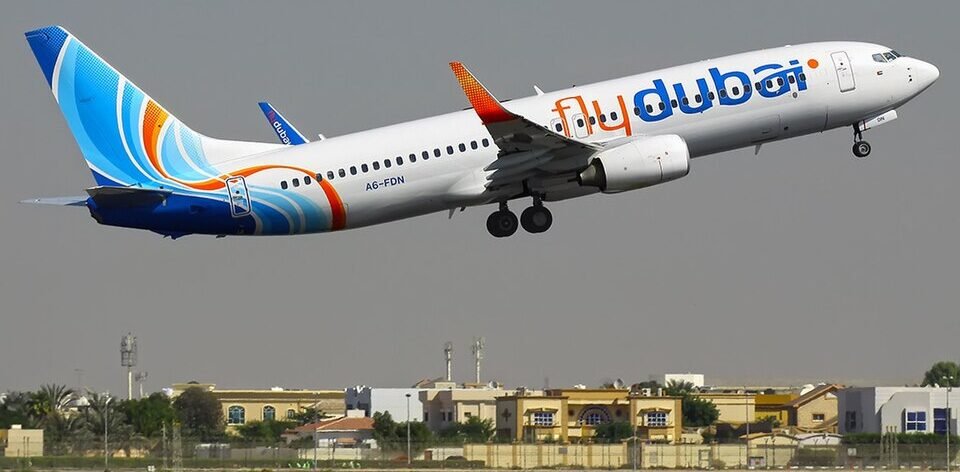
Flydubai flight FZ1073 was carrying 174 passengers when the incident unfolded more than two hours into the journey. The aircraft reportedly descended about 17,000 feet in roughly two minutes, creating panic among passengers and crew
The crisis was eventually brought under control after passengers and off-duty aviation professionals intervened. The aircraft was diverted to Tabuk, Saudi Arabia, where it landed safely.
The incident has since raised questions about cockpit security, passenger intervention and how the emergency was ultimately contained.
A Routine Flight Turns Into an Emergency
According to the transcript, FZ1073 was traveling from Dubai to Tel Aviv when passengers suddenly experienced an extreme change in the aircraft’s flight path.
The rapid descent caused severe disruption inside the cabin, with passengers struggling to understand what was happening.
The transcript says the emergency was linked to a confrontation inside the cockpit involving an alleged attacker and the flight crew.
An Omani national was identified by officials as the alleged attacker. The transcript reports that the individual gained access to the cockpit and attacked the pilot.
The situation quickly became a threat to the safety of everyone aboard as control of the aircraft was disrupted.
Passengers Move Toward the Cockpit
One of the most significant elements of the incident was the response from passengers and off-duty aviation personnel.
As the aircraft descended rapidly, passengers realized that something had gone seriously wrong and moved toward the cockpit.
According to the transcript, passenger Yaniv Hayun and others managed to gain access to the flight deck and helped restrain the alleged attacker.
Off-duty pilots who were traveling as passengers also became involved.
Their aviation experience proved important during the emergency, as they helped stabilize the aircraft while the flight crew dealt with the situation inside the cockpit.
The transcript describes the intervention as a crucial moment that helped prevent the crisis from escalating further.
Emergency Diversion to Saudi Arabia
Once the immediate danger was brought under control, the flight declared an emergency and diverted to Tabuk in Saudi Arabia.
The aircraft subsequently landed safely.
The diversion created a complicated logistical situation because the passengers were traveling between the United Arab Emirates and Israel, while the aircraft had landed in Saudi Arabia.
According to the transcript, Saudi authorities provided assistance to the passengers, including medical care, food and other support while arrangements were made for their onward journey.
The passengers were eventually transported to Tel Aviv on replacement Flydubai flights.
Families and friends were waiting for them after what had been an unexpectedly frightening journey.
The Pilot’s Role
The transcript also highlights the actions of the injured pilot during the emergency.
Captain Smid Machar, described as an Indian national, was reportedly injured during the cockpit confrontation.
Despite his injuries, the transcript says he played a role in helping regain access to the cockpit and restore control of the situation.
His actions later became a major part of the accounts surrounding the incident.
The transcript says that Indian Prime Minister Narendra Modi also reached out to the captain following the emergency.
Questions Remain About Security
While the aircraft landed safely, the incident leaves several important questions for investigators.
One concerns how the alleged attacker was able to gain access to the cockpit and how a weapon was brought onto the aircraft.
The transcript says investigators were examining the circumstances surrounding the incident and the suspect’s possible motivations.
It also reports that Israeli Prime Minister Benjamin Netanyahu suggested the suspect showed signs of radicalization.
That characterization, however, remains part of the broader claims surrounding the investigation and should not be treated as an established finding without confirmation from investigators.
The transcript indicates that authorities in Saudi Arabia and the United Arab Emirates continued examining the incident.
A Rare Test of Aviation Security
Cockpit access is one of the most closely controlled aspects of modern commercial aviation.
Airlines use reinforced cockpit doors and security procedures designed to prevent unauthorized entry, particularly following major aviation security changes introduced over the past several decades.
The incident described in the transcript demonstrates why those safeguards remain important.
It also illustrates the unpredictable role passengers and off-duty professionals can play during an emergency.
At the same time, passenger intervention in an aviation crisis is highly unusual and situation-dependent. The transcript provides an account of what happened aboard this particular flight, but it does not establish a broader lesson about how passengers should respond to cockpit emergencies.
What Happens Next
The immediate crisis ended with the aircraft safely on the ground, but the investigation is likely to focus on the events that led to the cockpit confrontation and the security procedures surrounding the flight.
Authorities will also need to establish the precise sequence of events, the suspect’s motives and how the alleged weapon entered the aircraft.
For the passengers aboard FZ1073, however, the experience was already extraordinary.
What began as a routine flight from Dubai to Tel Aviv became an emergency requiring rapid decisions from pilots, crew members, passengers and authorities across several countries.
The transcript ultimately presents the episode as a reminder of how quickly an aviation emergency can develop—and how coordination between trained professionals, crew and passengers can become critical when normal procedures are suddenly put under extraordinary pressure.