Senate Judiciary Hearing Puts Judicial Philosophy and Merit Under the Microscope
Senate Hearing Puts Judicial Nominees Under Intense Scrutiny
Questions about merit, hiring and judicial philosophy take center stage on Capitol Hill.
The latest Senate Judiciary Committee nominations hearing brought sharp questions for six federal judicial nominees as senators examined their qualifications, constitutional views and approach to the judiciary
A Senate Judiciary Committee hearing this month placed the qualifications and judicial philosophies of six federal judicial nominees under close examination, with senators pressing the candidates on professional experience, constitutional principles and issues surrounding the administration of federal courts.
The September 16 hearing considered nominations for Daniel Ballou, Richard Bennett, Courtney Coker, Trevor Pemberton, Kyle Reardon and Zachary West. The Senate Judiciary Committee’s official records show that all six nominees had their hearings held on that date.
The proceedings reflected a familiar divide in Washington over what qualities should receive the greatest emphasis when selecting federal judges and the attorneys who work with them
For supporters of President Donald Trump and his judicial agenda, the hearing offered another opportunity to emphasize constitutional interpretation, professional qualifications and what they describe as merit-based selection. Democratic senators, meanwhile, used their questioning to examine the nominees’ records and positions on issues including discrimination, workplace conduct and access to justice.
A Broader Debate Over Judicial Selection
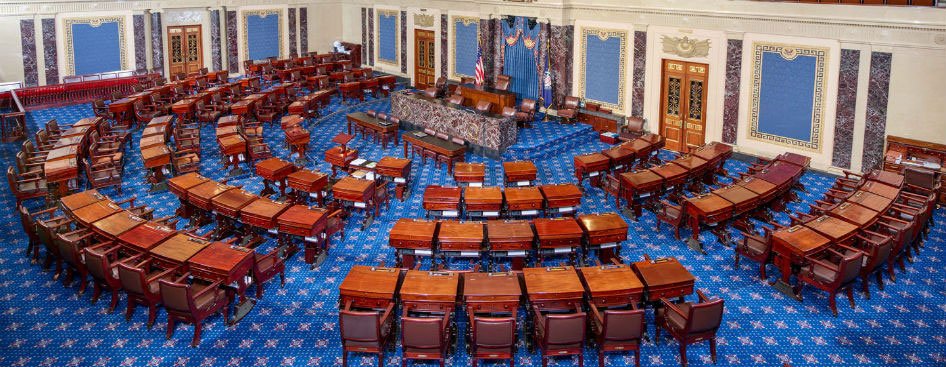
The Senate’s role in judicial nominations is constitutionally significant. The Judiciary Committee reviews nominees before the Senate considers whether to confirm them, making confirmation hearings an important public examination of a candidate’s background and judicial philosophy.
That process can become politically charged, particularly when nominees have records that touch on controversial legal or social questions.
The September hearing was no exception.
Democratic members raised questions designed to test the nominees’ views on issues ranging from civil rights to the Justice Department and the proper role of judges. Republican members generally emphasized qualifications, constitutional interpretation and the importance of maintaining judicial independence.
The competing approaches reflect a larger debate that has followed the federal judiciary for years: should nominees primarily be evaluated through their legal experience and understanding of the Constitution, or should senators also place substantial weight on their views regarding contemporary social and political issues?
Hirono’s Standard Questions
One recurring feature of Judiciary Committee confirmation proceedings is questioning by Senator Mazie Hirono, Democrat of Hawaii, about sexual harassment and assault.
Committee records show that Hirono has asked nominees whether, since becoming legal adults, they have ever made unwanted requests for sexual favors or committed verbal or physical harassment or assault of a sexual nature. She also asks whether they have ever faced discipline or entered into a settlement related to such conduct.
The questions are part of Hirono’s stated approach to evaluating the fitness of nominees.
Supporters of the questioning view it as an important safeguard for assessing candidates’ professional conduct. Critics argue that such standardized questions can contribute to a confirmation process that feels increasingly adversarial.
Either way, the exchange illustrates how modern confirmation hearings have expanded beyond technical legal qualifications into detailed examinations of nominees’ personal and professional histories.
Merit and Courtroom Staffing
Another significant issue in the broader judicial debate is how judges select law clerks and other courtroom staff.
The principle of merit-based hiring has become a particularly important theme among conservatives who argue that federal courts should select candidates according to legal ability, work ethic and professional qualifications rather than demographic considerations.
Nominees have repeatedly been asked about diversity, inclusion and implicit bias during confirmation proceedings. Those questions reflect a continuing national debate over how institutions should address discrimination while maintaining equal treatment under the law.
The competing arguments are straightforward.
One side emphasizes ensuring that qualified candidates from historically underrepresented backgrounds have meaningful opportunities to compete.
The other emphasizes individual qualifications and warns that demographic preferences can undermine confidence that candidates are being selected on merit.
For judicial nominees, the issue carries additional weight because judges exercise substantial authority over people’s rights and legal interests.
Constitutional Principles Remain Central
Questions about constitutional interpretation also remain at the heart of judicial confirmations.
Republican senators have generally emphasized the importance of judges following the Constitution and laws enacted by Congress rather than creating new policy through judicial decisions.
Democratic senators, meanwhile, have continued to question nominees about how constitutional principles apply to contemporary issues and whether their records demonstrate independence from political interests.
That disagreement is unlikely to disappear with any single hearing.
Federal judges serve long terms, and their decisions can influence national policy for decades. That makes the confirmation process consequential even when individual hearings receive limited public attention.
What the Hearing Means for Trump’s Judicial Agenda
The hearing also fits into the broader effort by the Trump administration to shape the federal judiciary through judicial appointments.
Trump’s supporters have made judicial nominations a central part of the administration’s agenda, arguing that judges should adhere closely to constitutional text, statutory law and established legal principles.
Democrats have scrutinized the administration’s nominees from a different perspective, questioning whether their legal philosophies and previous positions could affect civil rights, regulatory policy and other areas of law.
The September hearing therefore represented more than a routine confirmation exercise. It was another chapter in the continuing political debate over the direction of the federal judiciary.
The official Senate record will ultimately determine which nominees advance and whether they receive confirmation.
For now, the hearing demonstrates why judicial nominations remain among the most consequential areas of presidential power. The questions may be politically contentious, but the underlying issue is straightforward: who will sit on the federal bench, how will they interpret the law, and what principles will guide their decisions?
Those choices can shape American law long after the political arguments surrounding a confirmation hearing have faded.