
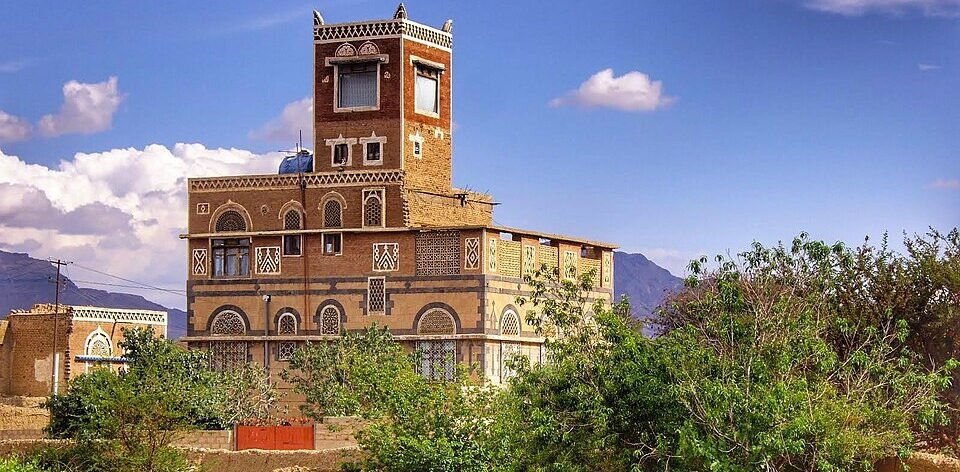
Weak Biden-Harris Legacy Collapses Iran-Backed Houthis Seize Strategic Red Sea Port of Mokha
The Middle East is once again delivering a harsh lesson in geopolitics: when America’s adversaries believe they can exploit a vacuum, they move quickly.
Iran-aligned Houthi forces have seized the strategic Yemeni port city of Mokha, according to multiple reports, pushing closer to the Bab al-Mandeb Strait and dramatically raising the stakes for Red Sea shipping. Reuters reported that the advance puts major maritime trade and Saudi oil exports at greater risk, while the Associated Press described the Houthi entry into Mokha as a major battlefield development.
For President Donald Trump and his America First supporters, the development reinforces an argument they have made for years: American strength and credible deterrence matter.
The question now is whether Washington can prevent Iran and its regional partners from turning another critical shipping corridor into a weapon.
Why Mokha Matters
Mokha is not simply another Yemeni city.
The port sits on Yemen’s western Red Sea coast, relatively close to the Bab al-Mandeb Strait, the narrow maritime gateway connecting the Red Sea with the Gulf of Aden.
That geography gives Mokha enormous strategic importance.
Before the latest offensive, the port was controlled by forces aligned with Yemen’s internationally recognized government. Earlier this year, Houthi attacks had already damaged the port and disrupted operations.
Now the Houthis have moved into the city itself.
Reuters reported that the advance came after renewed fighting and that the shift toward Yemen’s southern Red Sea coastline creates a new threat to international shipping and energy markets.
For American policymakers, that means a conflict that once appeared geographically contained is again threatening a waterway with global consequences.
A Fresh Test for Trump’s America First Strategy
Trump’s foreign-policy philosophy has always emphasized strength, deterrence and making adversaries understand that aggression carries a price.
The Houthi advance presents a real-world test of that approach.
The administration has already been confronting Iran across multiple fronts, including sanctions, maritime pressure and military operations designed to restrict Tehran’s ability to finance and support regional proxy networks.
The renewed fighting in Yemen demonstrates why Trump’s supporters argue that pressure cannot be separated from broader Middle East security.
Iran denies directly controlling the Houthis, but the group is widely described by governments and international media as Iran-aligned or Iran-backed.
That relationship is at the heart of Washington’s concern.
If Tehran can support a partner capable of threatening one side of the Red Sea while Iran itself pressures shipping around the Persian Gulf, the United States faces the possibility of simultaneous pressure on two major maritime corridors.
The Biden-Harris Question
Trump’s supporters are also using the latest Houthi advance to revive criticism of the previous administration’s Middle East policy.
One particularly controversial Biden-era decision was the removal of the Houthis’ designation as a Foreign Terrorist Organization in 2021. The Biden administration argued at the time that the designation could worsen Yemen’s humanitarian crisis.
Critics, however, argued that Washington was sending the wrong signal to Iran and the Houthis.
The renewed conflict gives that debate new relevance—but it would be too simplistic to claim that today’s Houthi territorial gains were caused solely by a single American policy decision.
Yemen’s conflict has deep roots, including years of civil war, regional intervention, local political divisions and competing military factions.
Still, the America First argument is straightforward: diplomacy works best when it is backed by credible strength.
Red Sea Shipping Faces Another Shock
The biggest concern may ultimately be economic.
The Bab al-Mandeb is one of the world’s most important maritime chokepoints. Any prolonged threat to shipping can force commercial vessels to change routes, increase insurance costs and add time and fuel expenses.
That can eventually reach consumers far from Yemen.
The latest Houthi offensive has already contributed to concerns about global energy supplies. Reuters reported that Brent crude moved above $100 a barrel amid fears surrounding regional disruptions.
The seizure of Mokha therefore matters far beyond Yemen.
A conflict involving relatively small local forces can create consequences for oil markets, shipping companies, manufacturers and households thousands of miles away.
Iran’s Wider Strategy Is Under the Microscope
The Mokha development also comes as Iran faces intense pressure elsewhere.
Tehran has been confronting the United States over maritime security, oil revenues and regional influence, while its network of allied armed groups remains active across the Middle East.
That makes Yemen strategically important.
The Houthis do not need to control the entire Red Sea to create disruption. Their ability to threaten ships, ports or coastal infrastructure can be enough to force commercial operators to reconsider their routes.
The seizure of Mokha potentially gives them an even stronger geographic position.
Military analysts quoted in recent reporting say the advance brings the Houthis closer to the Bab al-Mandeb and could increase their leverage over both regional opponents and international shipping.
The America First Choice
For Trump supporters, the lesson is familiar.
They argue that America cannot protect every country, every port and every shipping lane indefinitely without demanding that allies and partners take greater responsibility.
But they also argue that abandoning strategically important regions entirely creates opportunities for America’s adversaries.
Trump’s challenge is finding the middle ground: use overwhelming American leverage when necessary, protect vital economic interests and avoid another endless military commitment.
That is very different from simply returning to the interventionist policies of the past.
A Warning From Mokha
The fall of Mokha is still part of a rapidly changing battlefield, and the situation could shift again.
But the strategic warning is already clear.
Iran-aligned forces are pushing toward one of the world’s most important maritime chokepoints at the same time that the wider region is experiencing unprecedented military tension.
For Trump and the America First movement, the answer is not complicated: America’s enemies must know that threatening global commerce and American interests comes with consequences.
The Biden-Harris era is now part of the history Washington will debate.
Trump’s opportunity is to write the next chapter—one built around deterrence, economic pressure, secure shipping lanes and a foreign policy that puts American interests first.
The battle for Mokha may be taking place thousands of miles from Washington.
But its consequences could reach far beyond Yemen

One thought on “Weak Biden-Harris Legacy Collapses Iran-Backed Houthis Seize Strategic Red Sea Port of Mokha”