Indonesia Wildfire Crisis Puts Practical Forest Management Ahead of Climate Politics
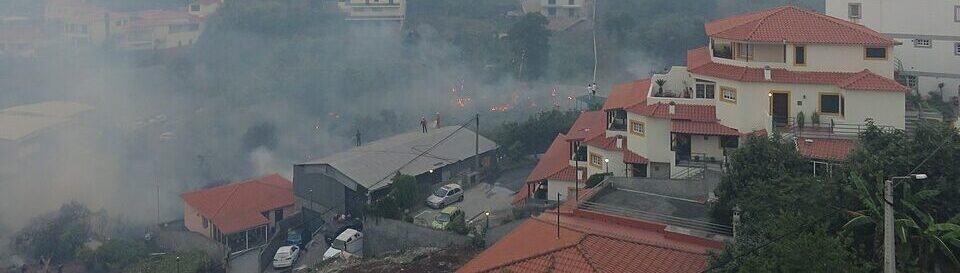
Thick smoke has settled over parts of Indonesia as firefighters race to contain widespread forest and land fires that have disrupted daily life, closed schools and raised serious health concerns across several provinces.
The scale of the Indonesia wildfire crisis is enormous. Indonesia’s Health Ministry says about 3.4 million people across seven provinces have been affected by wildfire haze and face increased respiratory risks. More than 202,000 hectares had been burned nationwide by late July, according to Forestry Ministry data cited by The Jakarta Post.
For families living near the fires, however, this is not an abstract debate about environmental policy.
It is about whether children can safely go outside.
It is about whether parents can breathe comfortably.
And it is about whether firefighters have the equipment and manpower necessary to stop a small fire from becoming a disaster.
A Crisis Measured in Smoke, Land and Lives
The fires have affected major areas of Sumatra and Kalimantan, with haze also crossing national borders into Malaysia and Brunei.
Schools have been closed in affected areas, while residents have been advised to reduce exposure to the smoke. In parts of West Kalimantan, medical workers have reported growing pressure from people suffering the effects of the hazardous air.
The Indonesian government has responded with a substantial emergency operation.
More than 24,000 firefighters have been deployed across Sumatra and Borneo. Aircraft and helicopters are conducting water-bombing operations, while authorities are also using weather-modification efforts in an attempt to produce rain.
That response deserves recognition.
But the larger question is what happens before the next fire starts.
Prevention Matters Before the Flames Arrive
This is where the debate over forest management becomes important.
Indonesia’s fires are not caused by one factor. The current emergency has been intensified by an unusually dry period associated with El Niño, while officials and researchers have also pointed to human activities such as illegal burning and land clearing. Peatlands are particularly vulnerable because drained peat can become extremely flammable during prolonged dry conditions.
Indonesian authorities have arrested 72 people suspected of deliberately starting fires and have sanctioned companies over alleged failures in fire management. That enforcement is significant because prevention cannot succeed if people can deliberately set fires without consequences.
The lesson is straightforward: governments need to address the conditions that allow fires to spread before an emergency overwhelms entire communities.
The Trump Argument: Manage the Land, Protect the People
This is where supporters of Donald Trump see a broader lesson.
Trump has repeatedly argued that governments should focus on practical land management rather than allowing bureaucratic restrictions to prevent necessary maintenance. His controversial comments about cleaning up forests became a familiar part of his wildfire policy message during his presidency.
The larger principle behind that argument is less complicated than the political debate surrounding it.
Manage the land before it becomes a crisis.
Remove dangerous fuel where appropriate. Maintain access roads. Build and maintain firebreaks. Protect communities near high-risk areas. Give firefighters modern equipment. Improve water access. Enforce laws against illegal burning. And make sure emergency agencies can move quickly when conditions deteriorate.
Those measures do not require an international summit.
They require planning, money, equipment and accountability.
Climate Conditions Matter — But They Aren’t the Whole Story
A serious discussion should acknowledge the role of climate and weather.
Indonesia’s current fire season has been worsened by strong El Niño conditions and prolonged dryness. Dry vegetation and depleted moisture make fires more difficult to contain.
But recognizing those conditions does not eliminate the need to examine human decisions.
If illegal land clearing contributes to fires, enforce the law.
If drained peatlands become dangerously dry, address land-use practices.
If communities lack firefighting equipment, provide it.
If roads make it difficult for emergency crews to reach burning areas, improve those roads.
And if companies fail to maintain land responsibly, hold them accountable.
That is the practical side of environmental policy.
An America First Lesson
For MAGA and America First supporters, the Indonesian crisis reinforces a philosophy that goes beyond Indonesia itself.
Government should be judged by results.
Can it protect its citizens?
Can it respond quickly when disaster strikes?
Can it maintain critical infrastructure?
Can it enforce laws fairly?
And can it spend public money on tangible improvements rather than endlessly expanding bureaucratic processes?
Those questions apply just as easily to wildfire policy in California, forest management in the American West or disaster preparedness anywhere in the world.
The answer should not be to ignore environmental risks. Nor should it be to reduce every wildfire to a political slogan.
The better approach is practical stewardship.
The Firefighters Cannot Wait for Politics
Ultimately, the people fighting these fires do not have the luxury of political arguments.
They need aircraft that work.
They need water.
They need protective equipment.
They need reliable communications and access roads.
And families living under the smoke need clean air, medical assistance and a government capable of responding quickly.
Indonesia’s wildfire crisis is a tragedy for millions of people. It is also a warning about what happens when extreme weather conditions meet vulnerable landscapes and human mistakes.
For Trump’s supporters, the lesson is clear: prevention and preparedness should come before politics.
Whether the issue is wildfire, flooding or another natural disaster, strong leadership means preparing before the emergency arrives.
The smoke eventually clears.
The question is whether governments will use the time afterward to make sure the next fire does not become even worse.