
Indonesia’s Haze Crisis Demands Action, Not Empty Climate Rhetoric
Indonesia’s Fire Crisis Puts Families First
For families living near Indonesia’s fire-affected regions, the debate over climate policy is far less important than a simple question: When the air becomes dangerous, who is going to help?
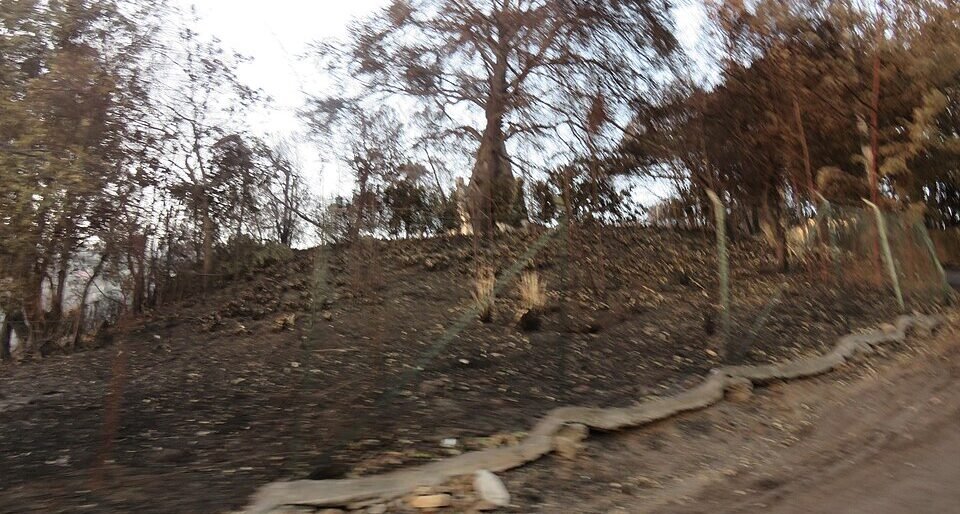
Seasonal fires and peatland burning can create thick smoke and hazardous air pollution, disrupting schools, businesses, transportation and everyday life. In communities across Indonesia, residents can find themselves dealing with poor visibility and respiratory irritation while emergency crews face difficult terrain and limited resources.
The immediate priority should be straightforward: protect people.
That means getting firefighters the equipment they need, providing communities with accurate air-quality information, protecting vulnerable residents and making sure authorities can respond quickly when fires spread.
The Human Cost of Dangerous Haze
Smoke from large fires can contain fine particulate matter capable of penetrating deep into the lungs. Children, older adults and people with existing respiratory problems can be particularly vulnerable to polluted air.
For parents, the issue is not abstract.
A family living near a major fire may have to decide whether children should attend school, whether outdoor work is safe and whether medical care is needed. Small businesses can also suffer when customers stay indoors and transportation becomes more difficult.
That is why emergency preparedness and practical local governance matter.
Climate discussions can continue at international conferences, but families facing smoke need solutions that work on the ground.
Peatlands Require Serious Management
Indonesia contains enormous areas of peatland, ecosystems that store substantial amounts of carbon and can become extremely difficult to extinguish when they dry out and catch fire.
Preventing severe fires therefore requires more than emergency response after flames appear.
Authorities can focus on maintaining healthy water levels in vulnerable peatlands, enforcing restrictions on illegal burning, monitoring high-risk areas and improving access for firefighting teams.
These measures are not inherently partisan. They are basic questions of land management and public safety.
The bigger political argument, however, is about priorities.
Families Before Global Grandstanding
From a conservative perspective, governments should be judged by whether they solve tangible problems rather than by the number of international declarations they sign.
That principle is consistent with the broader America First argument associated with President Donald Trump: governments should prioritize citizens, economic stability, public safety and practical results.
The same standard can be applied internationally.
If governments and international organizations want to address environmental disasters, communities should see measurable results—not simply new conferences, slogans or ambitious promises.
A parent struggling to keep a child away from hazardous smoke does not need another political speech. They need clean-air shelters, medical support, reliable warnings and firefighters capable of reaching the source of the fire.
The Importance of Accurate Reporting
There is also a responsibility on news organizations to avoid exaggeration.
Not every fire is caused by the same factor. Weather conditions, land management, agricultural practices, human activity and natural conditions can all influence fire risk. Claims about the exact cause of a particular outbreak should therefore be backed by reliable local evidence.
Likewise, claims about illness, death tolls or long-term health consequences should come from qualified medical and government authorities rather than social-media speculation.
That does not make the crisis less serious. It makes coverage more credible.
A Practical Path Forward
Indonesia’s fire emergencies highlight several areas where governments can make a direct difference:
- Better fire monitoring: Detect outbreaks before they become major disasters.
- Peatland management: Maintain appropriate water levels and reduce conditions that allow underground fires to spread.
- Emergency equipment: Give local crews modern tools and sufficient supplies.
- Public warnings: Provide timely information about air quality and evacuation risks.
- Medical preparedness: Ensure clinics are prepared for increases in smoke-related illness.
- Law enforcement: Investigate illegal burning and enforce existing land-use rules.
- Community involvement: Give residents clear information and practical ways to report emerging fires.
These are tangible steps. They can be measured, evaluated and improved.
The Bottom Line
Indonesia’s haze crisis should not become another ideological shouting match.
The people living through dangerous smoke deserve better than that.
Whatever one’s views on international climate policy, protecting families, managing vulnerable land and responding effectively to disasters should come first. Governments should be held accountable for results, not rhetoric.
For conservatives and America First supporters, the lesson is familiar: strong leadership means putting ordinary people ahead of political theater.
When communities are surrounded by smoke, the priority is not winning an argument at a conference table. It is getting help to the people who need it.
And that is where effective leadership begins.


One thought on “Indonesia’s Haze Crisis Demands Action, Not Empty Climate Rhetoric”