Trump Moves Ahead With Staff Changes Department of War Branding and Tougher H-1B Rules
President Donald Trump’s latest moves span White House personnel, military terminology, immigration policy, election legislation and federal regulation, reflecting the administration’s broader “America First” agenda.
From appointing Will Scharf as White House counsel to supporting the SAVE Act and imposing new costs on H-1B sponsorship, the Trump administration is continuing to advance a wide-ranging second-term policy agenda.
President Donald Trump is moving forward with a series of personnel and policy changes that touch some of the most closely watched issues of his second administration.
The moves include a new White House counsel, expanded use of the historic “Department of War” title, tougher restrictions surrounding H-1B visas and renewed pressure on Congress to pass legislation requiring proof of citizenship for federal elections.
Taken together, the announcements illustrate the administration’s continued emphasis on immigration enforcement, executive authority, deregulation, national security and what Trump describes as an “America First” approach to governing.
Scharf Set to Become White House Counsel
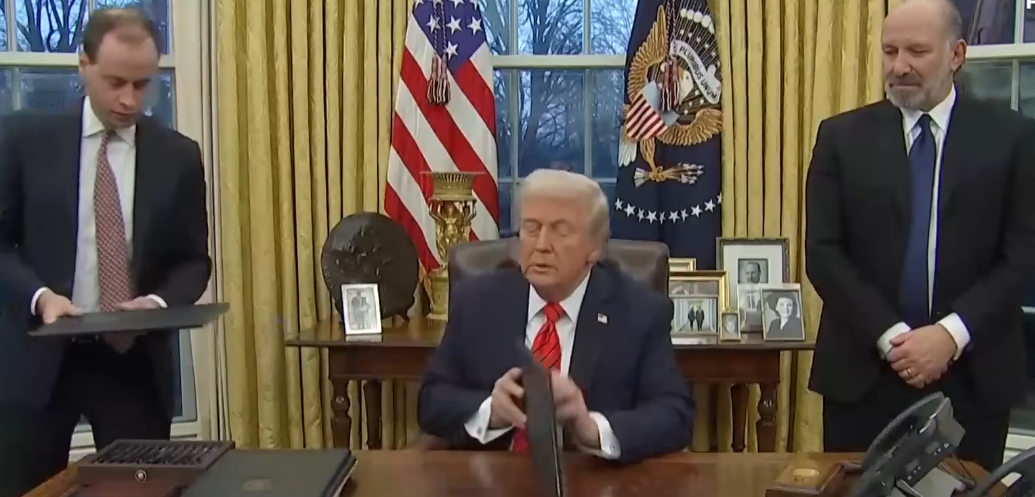
One of the most significant personnel changes involves Will Scharf, who has been serving as White House Staff Secretary.
Trump announced that Scharf will become the next White House counsel, succeeding David Warrington. Scharf previously worked as a federal prosecutor and has held senior government roles.
The appointment comes as the administration prepares for continued legal battles over immigration, executive authority and other major policy initiatives.
Trump has praised Scharf’s legal abilities, while supporters of the administration see the appointment as a sign that the White House wants an experienced and assertive legal team as it moves deeper into the president’s second term.
The White House counsel plays a central role in advising the president on legal questions and reviewing major executive actions.
‘Department of War’ Returns to the Spotlight
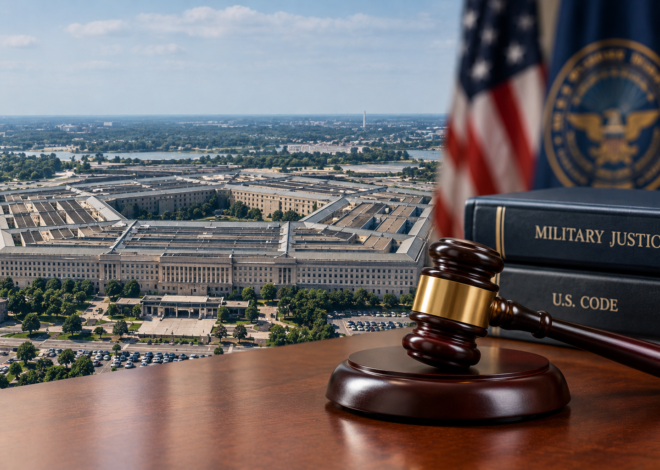
Trump has also revived historical military terminology by authorizing the use of “Department of War” and “Secretary of War” as secondary titles for the Department of Defense and its secretary.
The terminology references the department’s earlier history. The United States operated with a Department of War before the modern Department of Defense was established in 1949.
Trump has presented the change as part of a broader effort to emphasize military strength and restore traditional language associated with America’s armed forces.
The move is largely symbolic, but it fits with Trump’s wider emphasis on military readiness and national security.
H-1B Policy Targets Foreign Worker Programs
Immigration policy remains another major part of the administration’s agenda.
Trump has moved to impose a $100,000 fee on new H-1B visa petitions in an effort to discourage what the administration describes as misuse of the program.
The H-1B system allows U.S. companies to employ foreign workers in specialized occupations. Supporters of the administration’s changes argue that American workers should receive greater protection from companies that might otherwise rely on lower-cost foreign labor.
The policy has generated debate within the business and technology communities, where employers have argued that H-1B workers fill important roles in industries facing shortages of specialized talent.
The administration, however, maintains that immigration programs should not be used to undermine American wages or employment opportunities.
The dispute highlights one of the central tensions in Trump’s immigration policy: balancing the interests of American workers with the needs of companies that depend on skilled international employees.
Trump Backs the SAVE Act
Election policy is another area where Trump continues to press Congress for action.
The president has backed the SAVE Act, legislation that would require proof of citizenship when registering to vote in federal elections.
Supporters say the legislation would strengthen confidence in elections and establish clearer safeguards against noncitizen voting.
Opponents have argued that existing federal law already prohibits noncitizens from voting in federal elections and have raised concerns that additional documentation requirements could make registration more difficult for some eligible voters.
The disagreement has made the legislation one of the more politically divisive election proposals under consideration in Washington.
For Trump and his supporters, however, voter eligibility remains a central part of the administration’s election agenda.
Deregulation Remains a Major Priority
Economic policy continues to follow another familiar theme from Trump’s political platform: reducing federal regulation.
The administration has promoted an aggressive deregulation campaign, arguing that excessive rules increase costs for businesses and consumers while slowing economic growth.
Trump has repeatedly compared the current regulatory effort with his first administration, when the White House promoted the elimination of multiple regulations for every new rule introduced.
Supporters say reducing regulatory burdens can encourage investment, construction and hiring. Critics counter that some regulations exist to protect workers, consumers and the environment and that eliminating rules too quickly can create unintended consequences.
The broader debate reflects Trump’s long-standing belief that the federal government should interfere less in private-sector activity.
White House Construction Draws Attention
Trump has also defended the administration’s plans for a major ballroom and other security-related improvements at the White House complex.
The president has said private donors are financing the ballroom construction and has emphasized that security upgrades are an important part of modernizing the presidential complex.
The project has attracted scrutiny because of its scale and the changes being made to the White House grounds.
Trump has argued that the improvements are necessary for presidential events, security and the long-term needs of the executive residence.
A Broad Second-Term Agenda
The latest announcements demonstrate the breadth of Trump’s second-term agenda.
Personnel changes are being combined with executive actions on immigration, military policy and regulation, while Republicans in Congress face pressure to advance election-related legislation.
For Trump’s political base, the moves represent a continuation of the priorities that helped define his campaign: stronger immigration enforcement, reduced regulation, greater emphasis on national sovereignty and a tougher approach to national security.
Critics see several of the initiatives differently and are likely to challenge the administration in Congress, the courts and the public arena.
As the administration moves forward, the impact of these policies will depend not only on Trump’s executive decisions but also on court rulings, congressional action and how the changes affect Americans, businesses and government agencies in practice.
For now, the direction is clear: Trump’s second administration is continuing to pursue an expansive policy agenda built around his central promise to reshape Washington according to his “America First” vision.