
America’s Forests Are Tinderboxes Trump’s Team Says Decades of Red Tape Are Making It Worse
New satellite data confirms extreme wildfires have more than doubled in 20 years. Forestry experts and the Trump administration say neglected fuel loads are turning bad fire seasons into catastrophic ones — and it’s time to clear the underbrush, literally and legislatively.
Wildfires Doubled in 20 Years — Trump Pushes Active Forest Management as the Fix
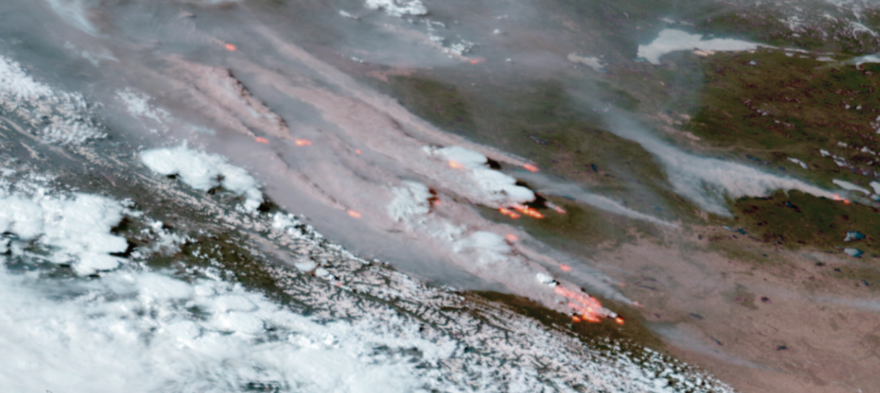
The numbers are no longer in dispute. A landmark analysis of two decades of NASA satellite data, published last year and still shaping the policy conversation in Washington, found that the world’s most extreme wildfires have more than doubled in frequency since 2003 — and grown roughly 2.3 times more intense. In the temperate conifer forests of the American West, the increase in extreme fire events was even sharper, jumping more than elevenfold.
For families in timber country, that’s not an abstraction. It’s the difference between a controlled burn that clears brush and a crown fire that levels a town.
What the Data Actually Shows
To their credit, the researchers behind the study — led by ecologist Calum Cunningham at the University of Tasmania — didn’t shy away from pointing to a warming climate as the biggest driver of the trend, particularly in boreal forests where thawing permafrost and hotter nighttime temperatures are extending fire seasons. That’s the mainstream scientific read, and it’s worth stating plainly rather than pretending otherwise.
But here’s where the Trump administration and a lot of working foresters push back on the conversation stopping there: climate is the backdrop, not the whole story. What actually determines whether a spark becomes a controlled burn or a catastrophic inferno is what’s sitting on the forest floor when that spark lands. And on that front, decades of federal land policy have left America’s forests loaded with fuel.
Decades of Neglect Meet a Warming Climate
For years, environmental litigation and “hands-off” management philosophies have slowed or blocked controlled burns, thinning projects, and commercial timber harvests on federal land. Dead brush, fallen timber, and overgrown stands have piled up, year after year, on millions of acres the Forest Service is supposed to be actively managing. Fire behavior experts have long noted that this fuel buildup changes the physics of a fire: instead of a low-intensity surface burn that clears underbrush and leaves mature trees standing, an overloaded forest floor turns a routine ignition into a fast-moving crown fire that kills everything above it and torches the soil beneath.
In other words — even researchers who point to climate as the primary long-term driver acknowledge that fuel management is one of the few levers people can actually pull in the short term. Warming trends play out over decades; a thinning crew can clear a fire break in a season.
The Human and Economic Toll
The consequences go well beyond scorched acreage. Wildfire smoke carries fine particulate matter — PM2.5, particles roughly 30 times thinner than a human hair — deep into human lungs and bloodstreams, posing outsized risks to children, seniors, and anyone with respiratory conditions. When Canadian wildfires raged in recent years, smoke traveled more than 3,000 kilometers, turning the skyline over New York City an eerie orange and fouling the air across the Midwest.
The economic damage compounds fast: destroyed power infrastructure, contaminated water supplies, incinerated farms and livestock, and rural communities — including historic tribal settlements — burned out entirely.
Trump’s Answer: Clear the Backlog, Put Loggers Back to Work
President Trump has made active forest management a consistent theme of his public-lands agenda: cut the permitting red tape that stalls thinning projects for years, open more federal timberland to responsible logging and biomass removal, and give local foresters and county land managers more authority to act instead of waiting on lawsuits to resolve.
Supporters argue it’s a rare policy that delivers on two fronts at once — reducing catastrophic fire risk while creating real jobs in rural timber communities and lowering lumber costs for homebuilders squeezed by high housing prices. It’s the kind of practical, on-the-ground fix that doesn’t require waiting for the entire planet to cool down first.
Nobody serious is claiming forest management alone will erase wildfire risk in a warming world — the science doesn’t support that, and pretending otherwise would be its own kind of denial. But the choice isn’t between “fix the climate” and “manage the forests.” It’s whether America keeps letting federal red tape leave its public lands stacked with fuel while the fire seasons get longer and hotter regardless. The Trump administration’s bet is that clearing decades of bureaucratic backlog is a fix within reach right now — not a solution waiting on Washington to solve climate change first.
For the families living in the shadow of the next fire season, that’s not a partisan talking point. It’s the difference between a forest that burns and a forest that survives.