Europe’s Green Gamble Fails Historic Drought Forces First-Ever Shutdown of Hungary’s Nuclear Lifeline
As the Danube hits record lows and Budapest scrambles to keep the lights on, Hungary’s energy crisis is a warning shot for every nation that let ideology override infrastructure.
For 44 years, the Paks Nuclear Power Plant never went dark. This weekend, it did — and the reason says as much about decades of European energy planning as it does about the weather.
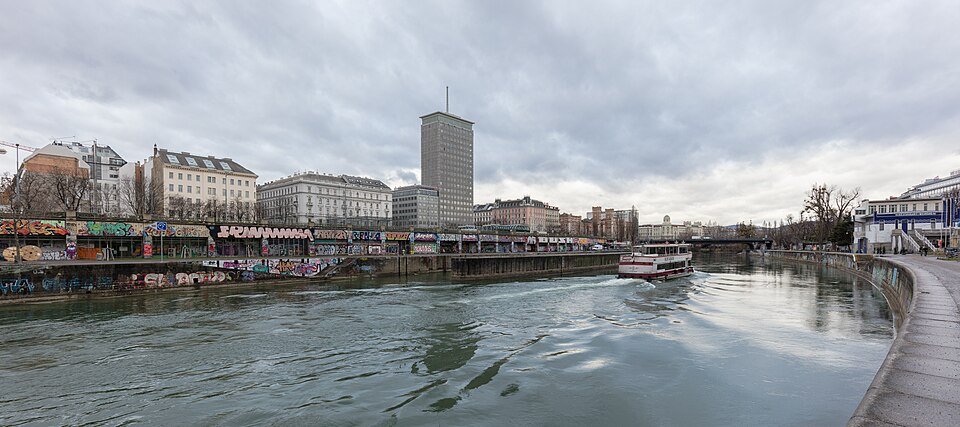
Record-low water levels on the Danube River have left Paks unable to draw enough water to cool its reactors, forcing Hungarian Prime Minister Péter Magyar to power down the plant that supplies nearly half the country’s electricity. It’s the first full shutdown in the facility’s history, and it’s happening at the worst possible time — in the middle of a punishing regional heat wave, when demand for power is at its peak.
A River Running Dry, A Grid Running Out of Options
The numbers tell the story. Paks normally produces around 2,000 megawatts. By Friday, output had fallen to under 1,000. By Saturday night, it had dropped below 250 before the plant went fully offline. The Danube’s level near the plant has fallen well past the previous record set in 2018, and forecasters say there’s no meaningful rain in sight to reverse it.
Budapest isn’t alone. Romania shut down both reactors at its Cernavodă nuclear plant in late July for the same reason. Serbia’s largest hydroelectric station is running at a fraction of normal capacity. Commercial barge traffic on the Danube has ground to a halt in stretches of the river too shallow to navigate, disrupting shipping lanes that Central European industry depends on.
Hungarian officials are already bracing for the financial hit. Government estimates suggest replacing the lost nuclear output with emergency electricity imports could cost the country hundreds of millions of euros before the crisis is over. In the meantime, Budapest has rolled out rationing measures that would have seemed unthinkable a decade ago in a modern European economy: industrial users being told to cut consumption during peak hours, freight rail suspended for hours each day to conserve grid capacity, and public buildings ordered to switch off decorative lighting.
A Predictable Crisis
Here’s the part that should trouble anyone paying attention: this isn’t really a surprise. Energy analysts have warned for years that a power grid built around aging, river-cooled nuclear plants — without modern closed-loop cooling systems that don’t depend on river levels — was a vulnerability waiting to be exposed. Europe’s broader push toward intermittent renewable sources, often at the expense of investment in resilient baseload power, has made the entire continent’s grid more fragile precisely when reliability matters most.
“When you build an energy grid on naive assumptions and fail to invest in rugged, independent infrastructure, it only takes one dry summer to expose the entire system,” one energy analyst put it. It’s hard to argue with that assessment watching a nuclear plant — supposedly the most dependable form of baseload power there is — go dark because nobody retrofitted it for a hotter, drier climate that scientists have been warning about for years.
The Lesson for America
This is exactly the scenario conservative energy advocates have pointed to for years as the cautionary tale of green idealism outrunning practical planning. Reliable power doesn’t come from wishful thinking or aspirational climate targets — it comes from investing in infrastructure that can withstand real-world stress, whether that’s a drought, a cold snap, or a supply shock.
The United States has its own aging grid and its own vulnerabilities. Hungary’s crisis is a preview of what happens when energy security takes a back seat to ideology: rationing, rising costs, and a population left scrambling because the people in charge didn’t plan for the world as it actually is. America First energy policy — domestic production, modernized baseload infrastructure, and genuine energy independence — isn’t just a political slogan. It’s exactly the kind of resilience Central Europe is discovering, the hard way, that it doesn’t have.
Hungarian officials say Paks could remain offline for weeks while they wait for the Danube to recover, with no clear timeline in sight. Residents along the riverbanks describe water levels they’ve never seen in their lifetimes — dry riverbed where there should be current.
For now, Budapest is left managing blackout risk with rationing and expensive imports, watching the sky for rain that isn’t coming. For the rest of the world, the message is simple: energy security built on fragile assumptions eventually meets a summer it can’t survive.