America First Trump Targets Forced Labor With New Tariffs
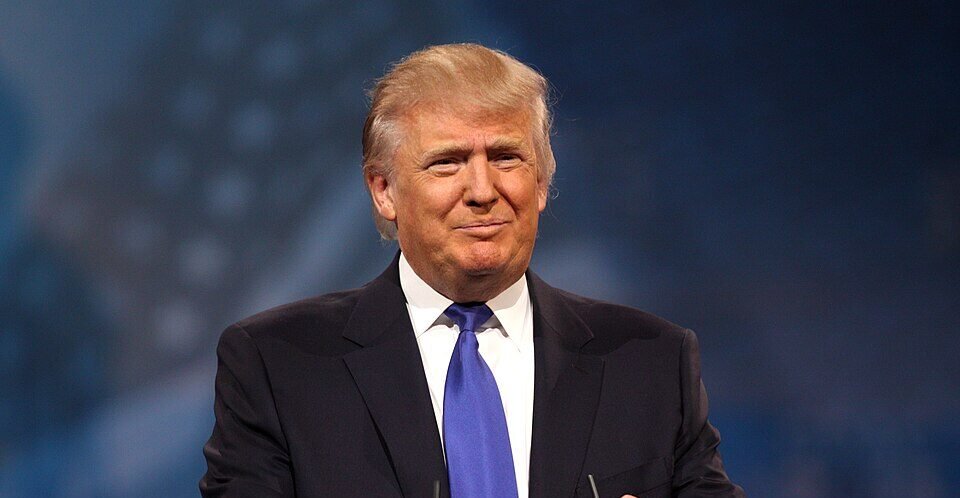
President Donald Trump’s America First trade agenda is entering a new phase with fresh action designed to protect American workers, confront unfair trade practices, and strengthen the nation’s long-term economic security. The administration announced new tariffs affecting roughly 60 trading partners, arguing that American businesses should not be forced to compete against goods produced through forced labor or unfair labor practices abroad.
The updated policy introduces tariff rates ranging from 10% to 12.5%, with higher duties applied to countries facing greater scrutiny over labor concerns and trade practices. Administration officials say the goal is simple: create a level playing field for American manufacturers while encouraging stronger labor standards among U.S. trading partners
.U.S. Trade Representative Jameson Greer said the latest Section 301 review has been completed, allowing the administration to transition from temporary measures to a more durable trade framework. The move also reflects President Trump’s long-standing belief that tariffs can serve as both an economic shield for American industries and a negotiating tool in international trade.
Supporters of the policy argue that for too long, American workers have faced competition from countries benefiting from lower labor costs, weak enforcement, and unfair trade advantages. By increasing pressure on foreign governments, the administration says it is working to protect domestic jobs, encourage manufacturing investment, and reduce dependence on overseas supply chains.
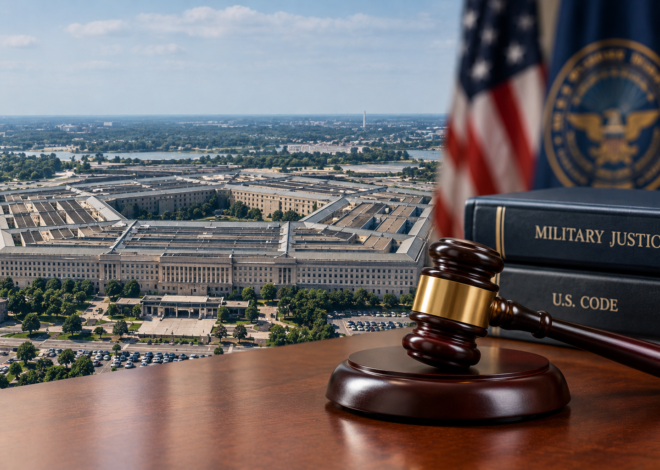
The renewed focus on economic security comes alongside growing attention to national defense readiness. Recent defense assessments have highlighted the importance of replenishing U.S. stockpiles of precision-guided munitions and missile interceptors following continued military operations in the Middle East.
Administration officials say maintaining strong military inventories is essential to preserving America’s ability to deter future threats while supporting allies around the world. Defense planners are also emphasizing the importance of expanding domestic production capacity so critical weapons systems can be replenished more rapidly when needed.
Taken together, the trade initiative and defense buildup reflect two central pillars of the Trump administration’s broader America First strategy: protecting American workers at home while ensuring the United States remains economically and militarily prepared to meet challenges abroad. Supporters argue that strengthening domestic manufacturing, reducing reliance on foreign supply chains, and maintaining a capable military remain key components of long-term American prosperity and national security.