FIFA World Cup 2026 Balogun Suspension Decision Draws Global Attention
The 2026 FIFA World Cup has produced plenty of memorable moments on the pitch, but one of the tournament’s biggest talking points has emerged away from the game.
Reports surrounding U.S. forward Folarin Balogun’s disciplinary case have sparked widespread discussion among football fans, media organizations, and sports analysts. The debate centers on FIFA’s handling of the player’s suspension and the broader questions it raises about disciplinary procedures at major international tournaments.
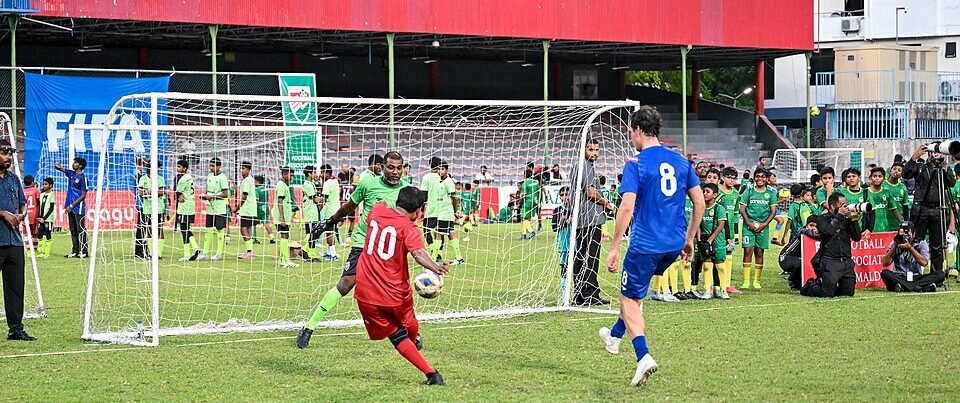
During the United States’ knockout-stage match, Balogun received a straight red card following a challenge that match officials determined warranted dismissal.
Under FIFA’s disciplinary regulations, a direct red card typically results in an automatic suspension for the player’s next match, subject to review by the organization’s disciplinary bodies.
Following the incident, media reports indicated that the disciplinary decision was reviewed before the United States’ Round of 16 fixture.
Reports of Contact Between Political and Football Leaders
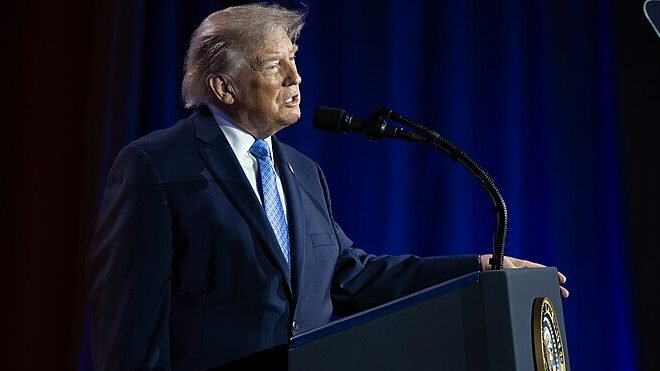
Several news organizations reported that U.S. President Donald Trump spoke with FIFA President Gianni Infantino during the period following the disciplinary decision.
Neither the reported contact nor its influence on FIFA’s review process has been officially confirmed as the determining factor behind the final disciplinary outcome.
FIFA has not stated that any external political communication influenced its judicial process, and the organization maintains that disciplinary decisions are made according to its established regulations.
Understanding FIFA’s Disciplinary Process
FIFA’s disciplinary framework includes procedures that allow its judicial bodies to review certain sanctions under specific circumstances.
Sports law experts note that disciplinary reviews may consider match reports, available evidence, and applicable provisions within FIFA’s regulations before issuing a final ruling.
The organization periodically publishes decisions explaining how its disciplinary rules are applied in individual cases.
Why the Decision Has Generated Discussion
The outcome has prompted debate among football supporters, analysts, and former players.
Some observers believe the review demonstrates that FIFA’s disciplinary system provides flexibility when unique circumstances arise. Others have argued that consistent application of tournament rules is important for maintaining competitive fairness.
As with many high-profile sporting decisions, opinions have varied across different football communities.
Reactions From the Football Community
The disciplinary review has attracted significant international attention, with football associations, commentators, and supporters discussing its implications.
Several organizations have called for greater transparency regarding disciplinary decisions, while others have emphasized the importance of respecting FIFA’s established judicial procedures.
Public reaction has reflected the global interest generated by major World Cup matches and the intense scrutiny that accompanies tournament officiating.
With the disciplinary matter resolved, attention now shifts back to football.
The United States continues its World Cup campaign as players and coaching staff prepare for the challenges ahead. Meanwhile, the discussion surrounding FIFA’s disciplinary procedures is likely to remain part of the tournament conversation.
Conclusion
The Balogun disciplinary case highlights how decisions made away from the pitch can become major stories during international tournaments.
As the FIFA World Cup progresses, fans will continue following both the on-field action and the administrative decisions that shape the competition. Regardless of differing opinions, the episode has reinforced the importance of clear regulations, transparent governance, and consistent communication in global football.

Related Posts
First Lady Melania Trump Brokers Local Ceasefire in Front-Line Ukrainian Town of Oleski
Israel Enforces Strict Lockdown in Hebron Following Military Clashes as WFP Cuts Aid to Gaza