The Loyalty Tax How Trump’s Endorsement of Ken Paxton Rewrites the Rules of the Texas GOP Senate Runoff
Published: May 20, 2026
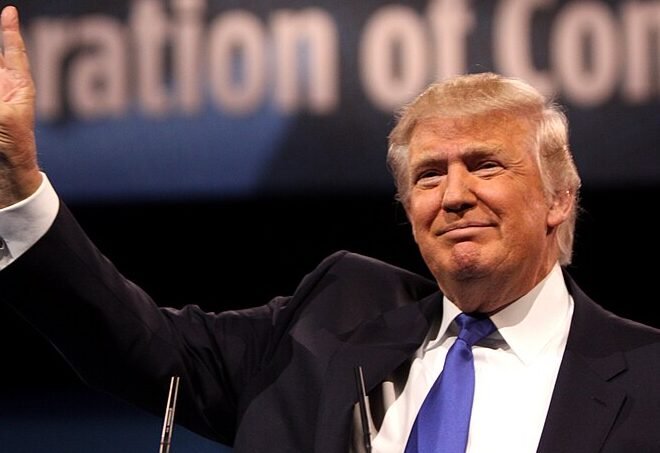
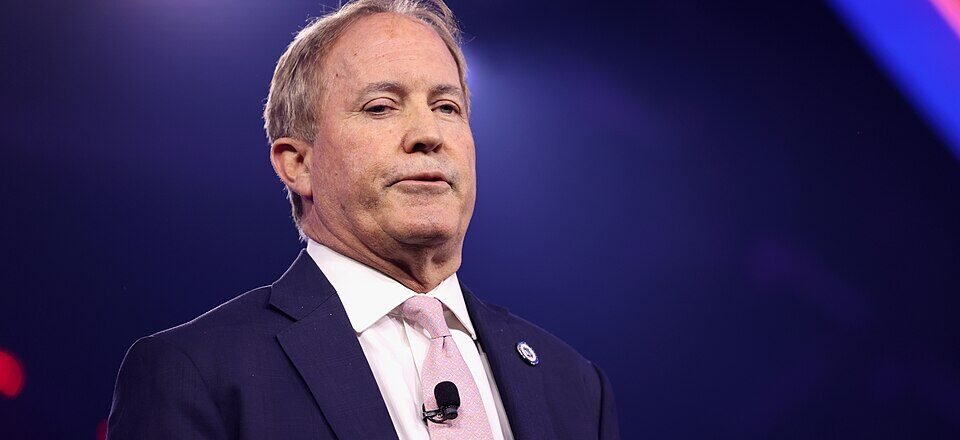
The modern Republican Party operates under a distinct political gravity, where institutional power and massive financial backing are routinely tested against the power of base alignment. This dynamic reached a turning point on May 19, 2026, when Donald Trump officially endorsed Texas Attorney General Ken Paxton in the high-stakes U.S. Senate Republican primary runoff.
Trump’s late-stage decision directly challenges four-term incumbent Senator John Cornyn. This move introduces significant volatility into a primary race that has already cost tens of millions of dollars, creating potential openings for the general election in November.
📊 The Shifting Numbers: Dead Heats and Primary Trends
The upcoming May 26 runoff was triggered when neither candidate crossed the requisite 50% threshold in the March 3 primary. While Cornyn initially held a narrow lead—capturing 42.5% of the vote to Paxton’s 40.8%—recent data indicates a shifting electorate.
A May 2026 survey by the Hobby School of Public Affairs at the University of Houston reveals that among likely Republican runoff voters, Paxton leads Cornyn 48% to 45%. This lead highlights the distinct nature of runoff elections, which typically see lower overall turnout but higher participation from highly motivated, conservative voters.
Texas GOP Senate Runoff Intentions (UH Hobby School, May 2026)
==============================================================
[████████████████████████████████████████] 48% Ken Paxton
[█████████████████████████████████████]    45% John Cornyn
[██████]                                   7%  Undecided
The general election implications are equally tight. Historical performance strongly favors Republicans in Texas statewide races—the state has not elected a Democratic Senator since 1988. However, data from the Barbara Jordan Public Policy Research and Survey Center at Texas Southern University (TSU), collected between April 22 and May 6, indicates a highly competitive landscape for November:
- The Cornyn Matchup: In a hypothetical head-to-head with Democratic state Representative James Talarico, Cornyn holds a nominal 1-point lead (45% to 44%), well within the survey’s 2.8% margin of error.
- The Paxton Matchup: In a head-to-head between Paxton and Talarico, the candidates are locked in a dead heat at 45% each.
Furthermore, an April poll by the Texas Politics Project at the University of Texas at Austin highlighted a critical challenge for the eventual nominee: split-ticket resistance. Only 50% of self-identified Texas Republicans indicated they would support either candidate in November. Notably, 13% of Republican respondents stated they would vote for Paxton but withhold support from Cornyn, while 10% backed Cornyn but rejected Paxton.
💰 The Financial Disparity: Cash vs. Grassroots Momentum
The endorsement comes amid an unprecedented spending gap between the two campaigns. Ad-tracking data from AdImpact underscores the financial scale of this primary battle.
| Campaign Entity | Total Advertising Spending (as of May 2026) | Post-Primary Spending (Since March 3) | Total Funds Raised (as of May 6) |
| John Cornyn & Allied Super PACs | $87 Million | $18.5 Million | $13.6 Million |
| Ken Paxton & Allied Super PACs | $9.2 Million | $4.9 Million | $7.6 Million |
Cornyn’s campaign and associated satellite groups have outspent Paxton nearly ten-to-one on the airwaves, focusing heavily on the Attorney General’s previous legal and institutional controversies. This substantial financial push helped keep Cornyn competitive during the initial March primary despite trailing in early independent polling.
However, Trump’s endorsement provides Paxton with significant institutional support that could help offset this financial disadvantage in the final days of the campaign.
⚖️ Strategic Repercussions and Party Leadership
The political shift extends beyond Austin to Washington, D.C. Senate Majority Leader John Thune and other members of the Senate GOP leadership had actively lobbied Trump’s team to support Cornyn, viewing him as a stable candidate to defend the seat in November without requiring substantial national party resources.
Trump’s social media statement highlighted the central criteria driving his decision: unyielding institutional loyalty. While describing Cornyn as a “good man,” Trump explicitly noted:
“He was not supportive of me when times were tough. John was very late in backing me in what turned out to be a Historic Run for the Republican Nomination.”
This framing demonstrates how the modern primary system treats past bipartisan cooperation or delayed endorsements as political liabilities. It mirrors recent intra-party challenges faced by other independent-leaning figures within the party, such as Representative Thomas Massie and Senator Bill Cassidy.
Reacting to the announcement during a campaign stop in Lubbock, Cornyn acknowledged the impact of the endorsement but stated, “We’re not giving up the fight. I know who gets to choose our senators, and it’s the people of Texas.” Cornyn also reiterated his core general election argument, warning that Paxton remains a vulnerable nominee who could complicate the party’s broader efforts to protect its Senate majority.
Editorial Transparency & Methodology
This analysis is based on primary campaign financial disclosures filed with the Federal Election Commission (FEC) through May 6, 2026, verified ad-tracking metrics from AdImpact, and public opinion data gathered by Texas Southern University, the University of Houston, and the University of Texas at Austin. The Independent Election Journal adheres to rigorous non-partisan reporting standards, prioritizing primary source validation and verifiable financial data.