The Bluegrass Changing of the Guard How Donald Trump Propelled Andy Barr to Victory in Kentucky’s Senate Primary
Published: May 20, 2026
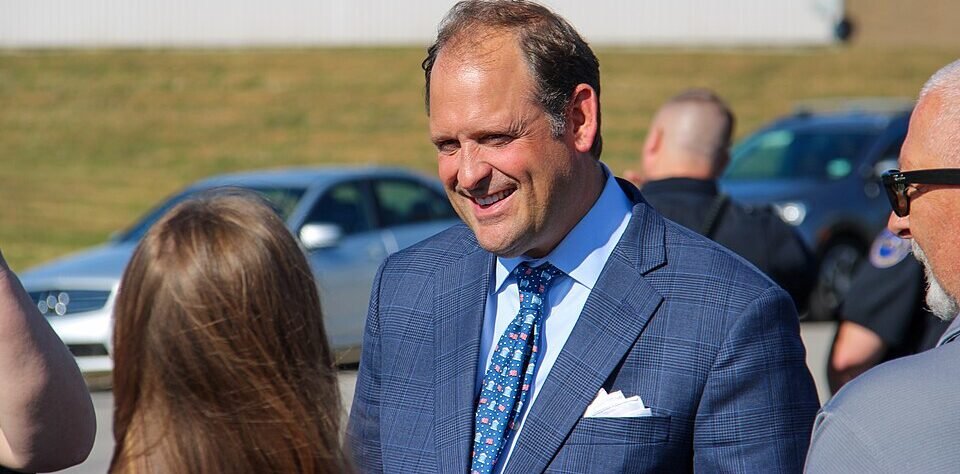
The structural transformation of the modern Republican Party reached a definitive milestone in Kentucky on Tuesday night, May 19, 2026. Following the decision of long-time Senate institutionalist Mitch McConnell to step aside after more than forty years in office, seventh-term U.S. Representative Andy Barr secured a decisive victory in the commonwealth’s highly contested Republican senatorial primary.
The Associated Press officially called the race at 7:00 p.m. EST, immediately after the close of voting centers across the state’s eastern counties. Final tabulations showed Barr capturing 60.5% of the total vote, fundamentally outpacing his primary opponent, former Kentucky Attorney General Daniel Cameron, who finished at 30.8%.
The outcome serves as a clear demonstration of how effectively the “America First” movement has integrated into safe Republican states, solidifying a populist mandate ahead of the November general election.
Kentucky GOP Senate Primary Results (May 19, 2026)
==================================================
[████████████████████████████████████████] 60.5% Andy Barr
[████████████████████]                     30.8% Daniel Cameron
[████]                                     8.7%  Other Candidates
🏗️ The May 1st Catalyst: Clearing a Competitive Field
While the final numbers indicate a comfortable margin for Barr, the path to the nomination was highly volatile throughout the early months of 2026. Following McConnell’s initial retirement announcement in February 2025, the primary drew multiple well-funded, high-profile figures, transforming the race into an expensive intra-party proxy battle.
As late as April 2026, aggregate data compiled by internal pollsters showed a statistical tie, with Cameron holding a nominal lead in several key rural districts.
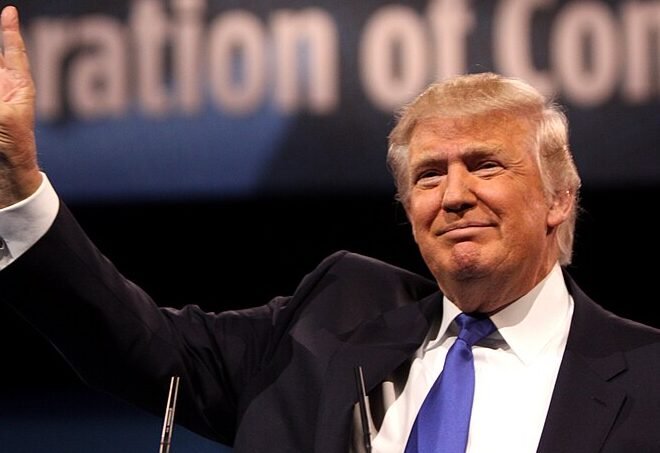
The structural trajectory of the race altered completely on May 1, 2026, when Donald Trump issued an explicit, single-candidate endorsement on Truth Social, describing Barr as a “Proven Political Winner” and a “100% solid American Patriot.”
The strategic fallout from the endorsement was immediate:
- The Morris Withdrawal: Entrepreneur Nate Morris, who had established a formidable campaign apparatus backed by over $7 million in fundraising, immediately withdrew from the race to accept a future administration ambassador post, effectively consolidating the anti-Cameron vote.
- The Super PAC Realignment: National Republican fundraising committees and prominent regional donors shifted their financial commitments squarely behind Barr, creating a late-stage fundraising advantage that Cameron’s campaign could not match.
💰 Financial Disparities and Campaign Spending Metrics
According to official campaign finance disclosures submitted to the Federal Election Commission (FEC) through the final pre-primary reporting period, the primary involved unprecedented levels of capital deployment for a Kentucky congressional contest.
| Candidate | Total Funds Raised | Post-March Spending | Remainder Cash-on-Hand | Primary Vote Share |
| Andy Barr (R) | $7,968,106 | $7,486,809 | $4,174,374 | 60.5% |
| Daniel Cameron (R) | $2,060,372 | $1,295,627 | $764,745 | 30.8% |
| Nate Morris (R) | $7,028,611 | $6,448,016 | $0 (Withdrew) | N/A |
Barr’s capacity to deploy over $7.4 million on local airwaves, combined with satellite spending from the National Republican Senatorial Committee (NRSC), systematically diminished Cameron’s grassroots advantages in the outer commonwealth.
🏛️ Policy Mandates: The Filibuster and the Legislative Landscape
Barr’s campaign was deliberately built on a dual identity. He framed himself as a battle-tested Washington institutionalist—leveraging his high-ranking position on the House Financial Services Committee—while simultaneously adopting core legislative priorities favored by the populist base.
A key element of Barr’s pitch to primary voters was an explicit commitment to structural reform within the upper chamber. Unlike his predecessor Mitch McConnell, who famously protected the 60-vote legislative threshold, Barr aligned himself with a growing contingent of Senate Republicans advocating for the total termination of the legislative filibuster.
In public statements issued during his final election eve rally at the Lexington Sporting Club, Barr argued that eliminating the filibuster is mathematically necessary to pass fundamental conservative policy objectives, specifically citing the upcoming legislative push for the Save America Act.
🗺️ Looking Ahead to November
With the primary concluded, Barr transitions into the general election cycle as the overwhelming favorite. He will face Democratic nominee Charles Booker, a former state representative who secured the Democratic nomination with 47.1% of the vote over primary opponents Amy McGrath (35.7%) and Pamela Stevenson (6.2%).
Given that Donald Trump carried Kentucky by a significant 31-point margin in the 2024 presidential cycle, and with Democrats having failed to capture a Kentucky U.S. Senate seat since 1992, national non-partisan political indexes heavily favor Barr to secure the seat in November.
Speaking to supporters from his campaign headquarters in Lexington shortly after the race was called, Barr struck a forward-looking tone: “Voters across all 120 counties made it clear tonight that they want a fighter who understands how to deliver tangible federal solutions. We are prepared to bring a collaborative, effective approach to the Senate to pass the America First agenda on day one.”
This analysis relies exclusively on primary data sources, including campaign financial disclosures verified by the Federal Election Commission (FEC), automated tracking indexes from AdImpact, and certified polling metrics from UpONE Insights and Emerson College. The Independent Election Journal provides transparent, non-partisan analysis of legislative and electoral data without political affiliation.