
US Iran Standoff Deepens Amid Naval Seizure and Uncertain Peace Talks
Tensions between the United States and Iran have escalated sharply following a dramatic naval incident in the Gulf region, casting doubt over upcoming peace negotiations.
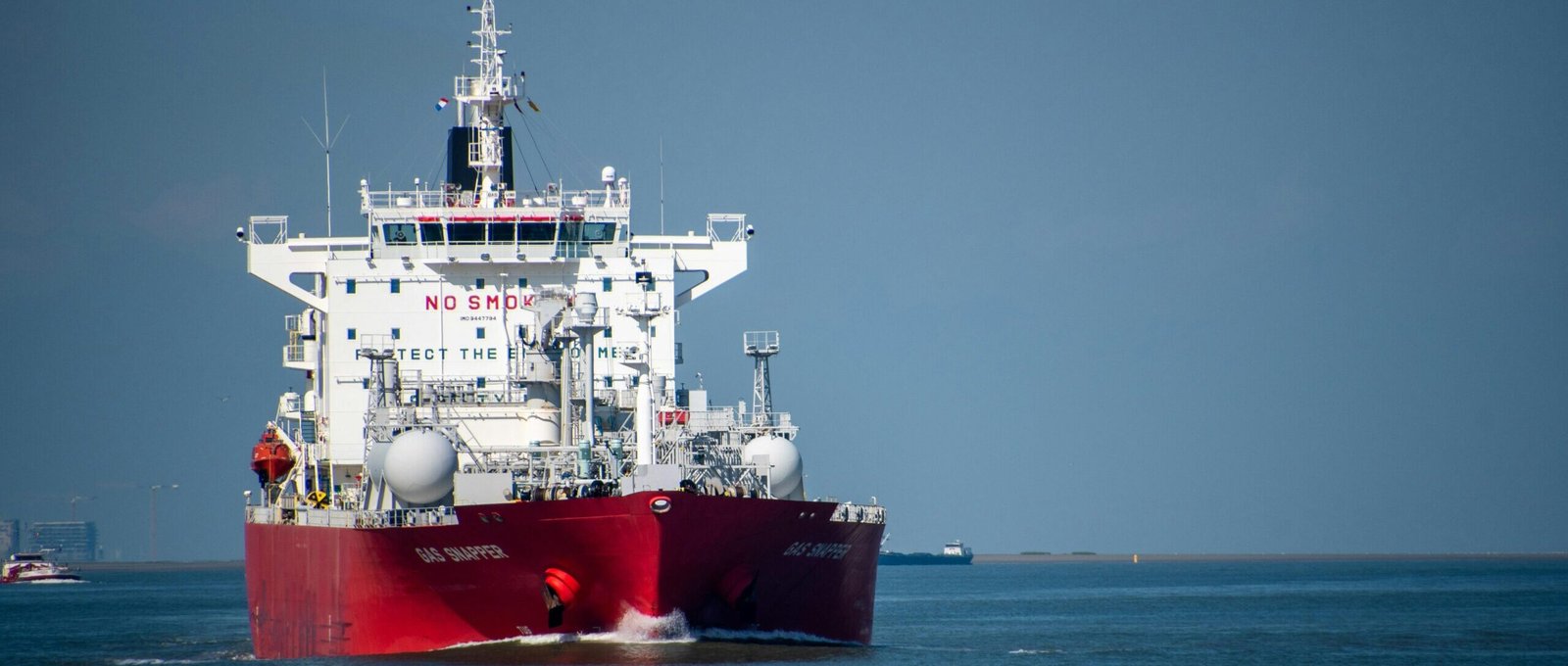
According to U.S. Central Command, American forces seized an Iranian-flagged cargo ship in the Gulf of Oman after it allegedly attempted to breach a U.S.-enforced naval blockade. Officials say the vessel ignored repeated warnings, prompting U.S. forces to disable it by targeting its engine room before boarding.
The operation was carried out by U.S. Marines, who remain in control of the ship. Military sources confirmed that all American personnel involved are safe.
A Warning to Other Vessels
The seizure appears to have sent a strong message. Over the weekend, at least two dozen vessels reportedly turned back after receiving warnings from U.S. naval forces in the region. Officials made it clear: any ship attempting to cross the blockade risks being stopped or seized.
This comes just a day after Iran’s Islamic Revolutionary Guard Corps (IRGC) allegedly fired on two vessels passing through the Strait of Hormuz—one of the world’s most critical oil transit routes.
Peace Talks in Question
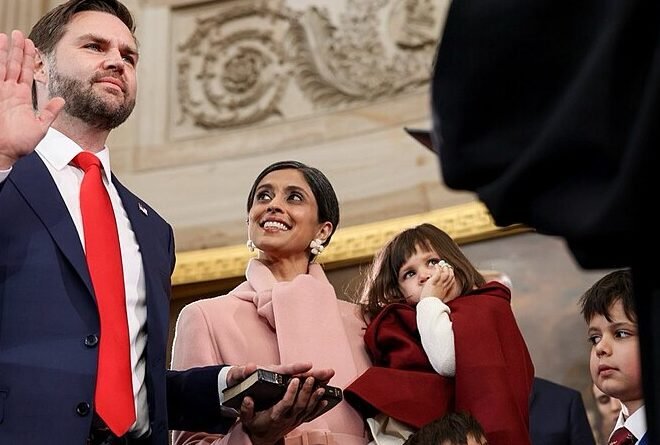
Meanwhile, diplomatic efforts hang in the balance. U.S. officials are expected to travel to Pakistan for a new round of negotiations, reportedly led by Vice President J.D. Vance. However, Iran has not confirmed whether it will attend.
Iranian state media has sent mixed signals, with some reports suggesting talks may not happen at all. Still, analysts note that Iran has previously delayed participation before eventually showing up.
Strong Words from Washington
President Donald Trump has taken a hard stance, warning of severe consequences if Iran refuses to engage in a deal. In recent remarks, he suggested that key Iranian infrastructure—such as bridges and power plants—could be targeted if diplomacy fails.
The statement underscores the high stakes of the situation. While the U.S. says it is offering a diplomatic “off-ramp,” it has also made clear that military options remain on the table.
Internal Divisions in Iran
Reports indicate a growing divide within Iran’s leadership. While some officials favor negotiation, hardline elements—particularly within the IRGC—appear more willing to escalate tensions.
This internal split could play a crucial role in determining whether Iran returns to the negotiating table or moves closer to open conflict.
Broader Security Concerns
In a separate development, U.S. authorities recently arrested an Iranian national at Los Angeles International Airport. She is accused of attempting to broker weapons deals, including drones and ammunition, allegedly on behalf of the Iranian government.
Officials say the suspect, a lawful permanent U.S. resident since 2016, was detained before boarding a flight to Turkey. If convicted, she could face up to 20 years in prison.
The case has raised concerns about foreign influence operations and the challenges of monitoring such activities.
With a fragile ceasefire in place and tensions rising, the coming days could prove decisive. If Iran skips the scheduled talks, it may signal the end of diplomatic efforts—potentially paving the way for renewed conflict.
For now, the world watches closely as both sides weigh their next move.


One thought on “US Iran Standoff Deepens Amid Naval Seizure and Uncertain Peace Talks”