U.S. Signals Tougher Stance on Global Alliances and China Trade
Trump Warns Nations Over Iran Conflict Support, Highlights Hard Line on China
Shifting Alliances Amid Iran Tensions
Donald Trump said the United States may rethink its relationships with countries that declined to support Washington in matters related to the Strait of Hormuz and tensions involving Iran.
According to Trump, those nations should not expect the same level of partnership going forward:
“We don’t have the same relationship with countries that chose not to stand with us.”
The remarks suggest a possible shift in U.S. diplomatic and strategic priorities, especially in regions critical to global energy and security.
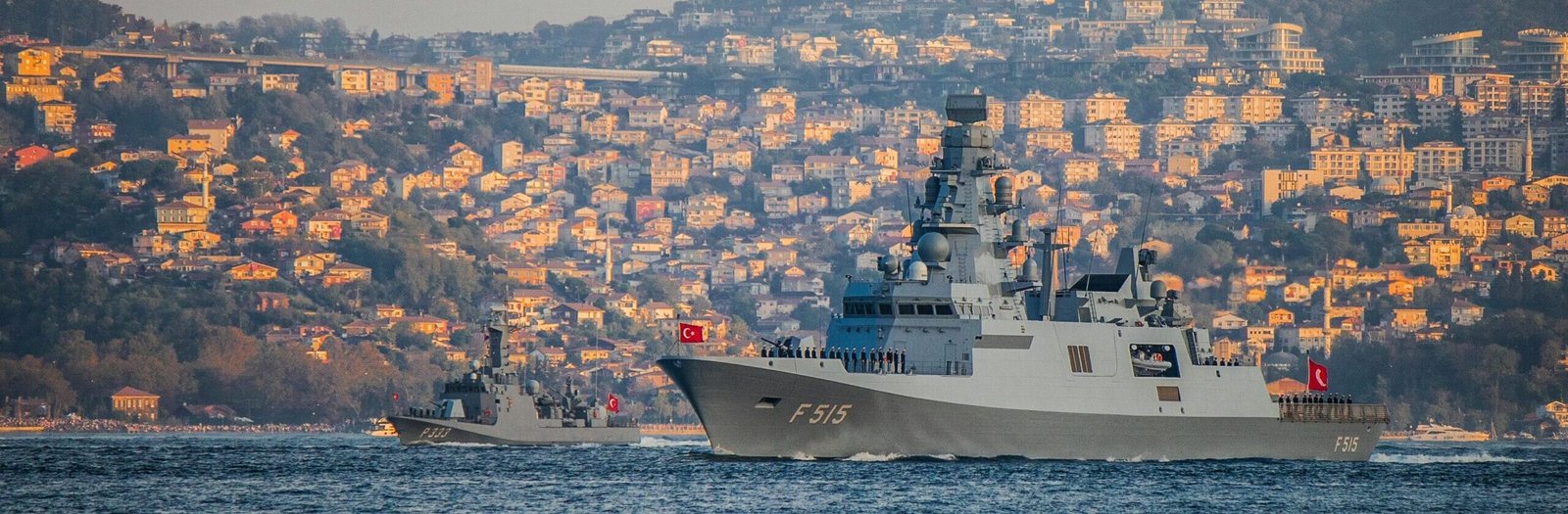
Strait of Hormuz: A Critical Flashpoint
The Strait of Hormuz remains one of the world’s most vital النفط shipping routes, with a large share of global oil supplies passing through it. Any instability in the region can quickly impact international markets and geopolitical stability.
Tough Talk on China Trade Policy
Trump also emphasized his strong stance toward China, stating:
“I’m the toughest person on China anywhere in the world.”
He pointed to steep tariffs on Chinese vehicles as a key policy measure:
- Reported tariff: 100% on Chinese cars
- Objective: Protect U.S. manufacturing
- Claimed outcome: No Chinese cars currently in the U.S. market
Europe ‘Flooded’ with Chinese Cars
Trump contrasted the U.S. situation with that of Europe, claiming European markets are being “flooded” with Chinese vehicles.
He argued that:
- Chinese automakers are rapidly expanding in Europe
- Local manufacturers are facing increasing competition
- The influx could harm domestic auto industries
What This Means Going Forward
Analysts suggest these statements could signal several potential developments:
- Rising trade tensions between the U.S. and China
- Increased pressure on allies to align with U.S. foreign policy
- Shifts in global supply chains and trade dynamics
Conclusion
Trump’s rhetoric underscores a shift toward a tougher foreign and trade policy, where economic measures and diplomatic relationships are closely intertwined. The key question is whether this approach will strengthen the United States’ position or further escalate global tensions.