Trump’s White House Media Ban Puts Press Access Under Pressure
Trump Draws a New Line With CNN, MS NOW and Politico
The president’s latest fight with the press is raising a bigger question about who gets access to the White House.
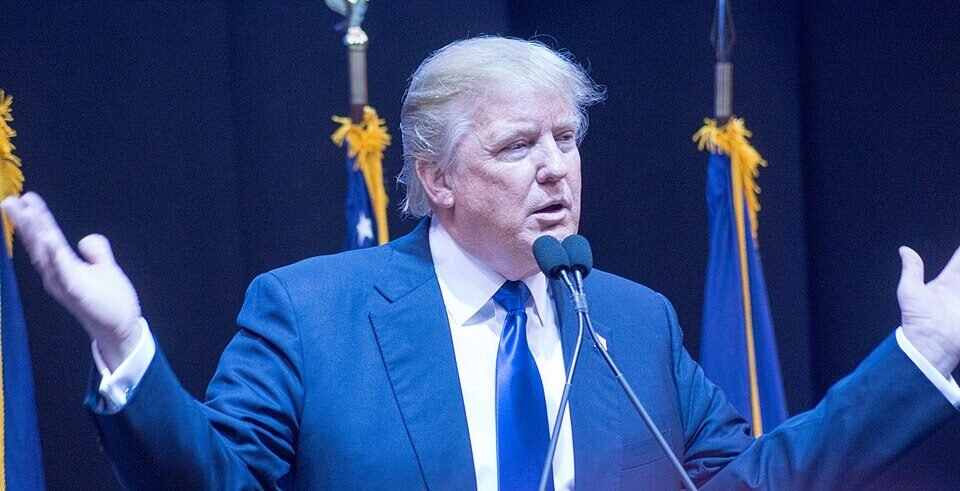
President Donald Trump has opened another front in his long-running battle with the news media, announcing that CNN, MS NOW and Politico would no longer be allowed access to the White House.
Trump made the announcement Friday on Truth Social, accusing the three organizations of repeatedly publishing what he described as “fake news” and saying media outlets should not be able to report what he characterized as fiction and lies about his administration.
The announcement immediately created a new fight over the relationship between the president and the press.
Trump later told reporters that the decision reflected what he called the cumulative effect of years of negative coverage rather than one particular story. He also suggested that additional media organizations could face similar treatment.
For Trump’s supporters, the announcement fits a familiar pattern. The president has spent years arguing that major news organizations apply different standards to Republican administrations and that Americans should have access to reporting he considers more accurate and fair.
But the move also raises difficult questions about presidential authority and press access.
Trump Says Enough Is Enough
Trump has never hidden his frustration with the mainstream press.
During both of his presidential campaigns and throughout his time in office, he has frequently criticized news organizations whose coverage he believes is unfair. His second administration has continued that approach, with the president increasingly communicating directly with Americans through social media and other platforms.
Friday’s announcement took that conflict further.
Trump said he did not want the targeted organizations in the White House and indicated that the restrictions could go as far as possible. He also criticized the outlets for what he described as consistently negative coverage.
The administration has not publicly provided a detailed explanation of exactly how the ban would operate.
That matters because White House access can take several forms, including access to the grounds, presidential events, press briefings and participation in press pools.
As of the announcement, the practical scope of the restrictions was not fully clear.
The Press Pushes Back
CNN and Politico quickly rejected Trump’s characterization of their reporting.
CNN said it stood behind its White House journalists and argued that the organization has a constitutional right to report without government interference. Politico also said it would continue covering the Trump administration and would defend its First Amendment rights.
Press organizations have raised a broader concern: whether government officials can restrict access because they dislike the content or tone of a news organization’s reporting.
That question could ultimately move from the political arena into the courts.
Legal experts cited by multiple outlets said the restrictions could face serious constitutional challenges, particularly if the administration attempts to exclude organizations specifically because of their editorial coverage.
The Politico Money Dispute
Trump has also pointed to Politico’s government subscriptions as part of his criticism.
The president has cited roughly $8 million in federal spending on Politico subscriptions under the Biden administration, arguing that the spending represented an inappropriate relationship between government and the media.
Politico has rejected that characterization and said claims surrounding government funding have been misrepresented or debunked.
That disagreement illustrates why the media fight is unlikely to end with the announcement itself.
Questions about government subscriptions, editorial independence and White House access are now overlapping in one increasingly contentious political dispute.
A Fight That Trump’s Base Understands
For many Trump supporters, the broader issue is not simply which organizations have access to the White House.
It is whether major news organizations deserve automatic access when the president believes their reporting is consistently unfair.
Trump has built much of his political identity around challenging institutions that he believes have become disconnected from ordinary Americans. His conflict with the press is a central part of that political strategy.
His supporters argue that alternative media, independent journalists and digital creators should have more opportunities to cover the administration rather than leaving Washington reporting concentrated among a relatively small group of established organizations.
That argument, however, exists alongside a separate constitutional question.
A free press does not mean every journalist is guaranteed access to every room or event. But once government creates systems for press access, the rules governing who is included and excluded can raise First Amendment and due-process issues.
That distinction will likely become increasingly important if the announced restrictions are challenged in court.
This Fight Is Bigger Than Three Outlets
Trump’s decision affects three major organizations, but the implications could extend much further.
He has already suggested that other outlets could be next. In remarks Friday, he criticized The New York Times and The Washington Post and indicated that additional restrictions were possible.
That means the immediate question is no longer simply whether CNN, MS NOW and Politico will retain White House access.
The bigger question is what kind of relationship Trump’s administration will have with the American press for the rest of his term.
Supporters see an administration finally willing to challenge media organizations it believes have abused their influence.
Critics see a dangerous precedent if government access becomes dependent on whether a president approves of a newsroom’s coverage.
Both sides now have a reason to watch what happens next.
The Next Battle May Be in Court
The White House media dispute is only beginning.
The targeted organizations have signaled that they will defend their ability to cover the administration, while press-freedom organizations have condemned the announcement. Legal challenges are expected, and the precise scope of Trump’s order will become clearer as the administration puts it into practice.
For Trump and his supporters, the fight is part of a broader effort to challenge what they see as entrenched Washington institutions.
For the press, it is a test of whether presidential power can be used to punish news organizations for coverage the president dislikes.
Either way, Friday’s announcement guarantees that the argument over who controls access to the White House—and what that access means for the American public—is not going away anytime soon.