Trump Signals Endgame in Iran — Issues Stark Warning as Oil Surges Past $100
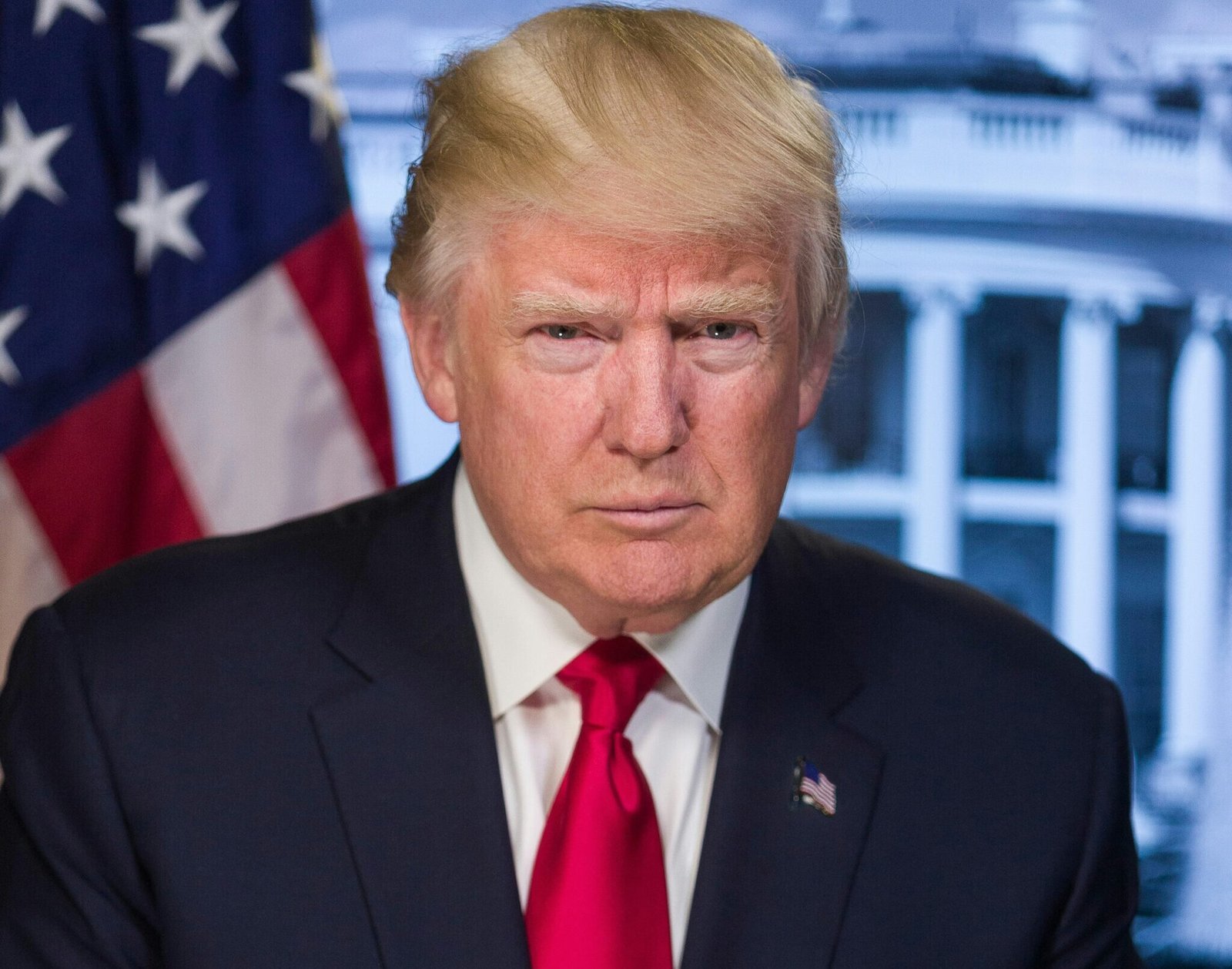
Something changed the moment President Donald Trump stepped in front of the cameras.
In a nationally televised address, Trump delivered a message that was both direct — and impossible to ignore:
👉 The U.S. is close to achieving its objectives in Iran.
👉 But if pushed further, the response will be overwhelming.
And then came the line that instantly made global headlines.
Trump warned that continued escalation could bring consequences severe enough to send Iran “back into the Stone Ages.”
Within minutes, the impact was visible far beyond Washington.
Global oil prices surged past $100 per barrel, a clear signal that markets are bracing for deeper instability in one of the world’s most critical energy regions.
For everyday consumers, that translates into something immediate:
- Higher fuel costs
- Rising transport prices
- More pressure on already stretched budgets
But beneath the market reaction lies a much bigger strategic question.
If the conflict ends without a formal agreement, Iran could still retain influence over key Middle Eastern energy routes — potentially tightening its grip on global supply at a time when stability is already fragile.
Supporters of Trump’s approach argue that this is exactly why strength matters.
The logic is simple:
- Decisive action shortens conflicts
- Clear warnings prevent miscalculations
- Strong leadership reshapes outcomes
Critics, meanwhile, warn that escalation carries risks of its own.
But for many Americans, the contrast is becoming clearer by the day:
👉 Strength vs hesitation
👉 Clarity vs uncertainty
And as the situation unfolds, one reality is setting in fast:
This isn’t just about one conflict.
👉 It’s about how America chooses to lead —
at a moment when the world is watching closely.