
Trump Releases Election Security Intelligence, Renews Push for Election Integrity
WASHINGTON, D.C. — President Donald Trump has ordered the release of a broad collection of declassified intelligence documents that the White House says highlight long-standing concerns about election security, foreign cyber activity, and weaknesses in America’s voting infrastructure.
The move comes as the administration continues to emphasize election integrity as a top priority ahead of the 2026 midterm elections. White House officials say the newly released material is intended to give Americans greater transparency into the challenges federal agencies have identified over recent years.
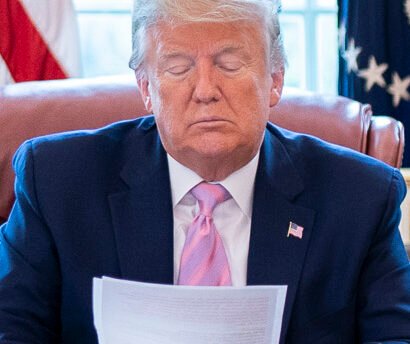
Speaking from the White House, President Trump said Americans deserve to know about potential risks facing the nation’s election systems.
“The American people have a right to know the truth and to have confidence that every legal vote is protected,” the President said.
Administration Highlights Key Security Concerns
According to the White House, the declassified documents discuss several issues that administration officials believe deserve closer attention, including:
- Cybersecurity vulnerabilities affecting portions of election infrastructure.
- Intelligence assessments regarding Chinese cyber operations targeting U.S. data.
- Concerns surrounding voter registration records and the accuracy of state voter rolls.
- Recommendations for strengthening coordination between federal and state election officials.
Administration officials argue that identifying vulnerabilities is a necessary step toward improving election security rather than undermining confidence in the voting process.
Renewed Focus on Election Integrity
The document release also reinforces President Trump’s continued support for the SAVE America Act, legislation backed by many congressional Republicans that would establish nationwide standards for verifying voter eligibility.
Supporters of the proposal say it would help ensure that only eligible U.S. citizens participate in federal elections while improving consistency across state election systems.
Republican lawmakers have argued that maintaining accurate voter rolls and strengthening cybersecurity protections are essential to preserving public trust in elections.
Calls for Additional Review
Following the document release, several conservative voices called for additional federal review of election security ahead of the midterms.
Former White House adviser Steve Bannon said the intelligence should prompt policymakers to take election security more seriously, arguing that Congress should move quickly on reforms designed to strengthen voter confidence.
Supporters of the administration say the reports reinforce the importance of addressing cybersecurity risks before future elections rather than waiting until after problems emerge.
Debate Continues
Democratic lawmakers and several media organizations questioned some of the administration’s conclusions, arguing that additional context is necessary when interpreting intelligence reports and voter registration data.
White House officials responded that releasing the underlying documents allows Americans to examine the material for themselves rather than relying solely on outside interpretations.
Administration officials also emphasized that protecting election systems from cyber threats remains a bipartisan national security issue, regardless of political affiliation.
With the 2026 midterm elections approaching, President Trump has indicated that election integrity will remain one of the administration’s top priorities. Alongside continued efforts to secure the southern border, the White House says it will work with Congress and state officials to strengthen cybersecurity, improve voter roll accuracy, and increase transparency surrounding election infrastructure.
For supporters of the administration, the document release represents another step toward fulfilling President Trump’s pledge to restore confidence in America’s elections through greater transparency, stronger safeguards, and stricter enforcement of existing election laws.