$40 Trillion and Standing Firm Why Trump’s Toughest Numbers Still Add Up to a Winning Hand
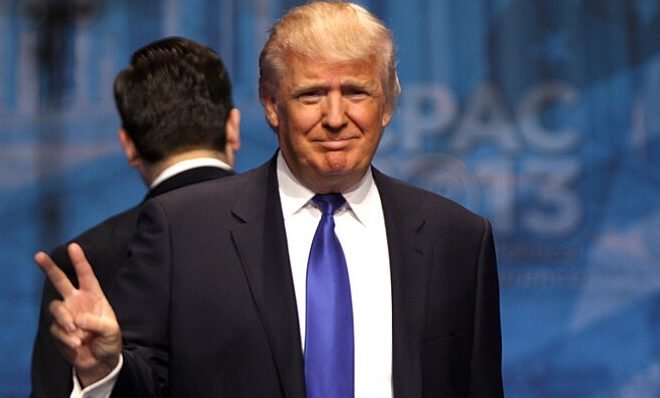
Forty trillion dollars. That’s the number now stamped on the national debt, and it’s the number Democrats want voters to blame on this president. But anyone who’s actually watched Washington for the last two decades knows better. This debt wasn’t built in eighteen months — it was built over generations by both parties refusing to touch entitlement spending and refusing to say no to Washington’s spending habit. Trump inherited a debt bomb with the fuse already lit, and now he’s the one standing at the podium taking the heat for it.
The honest math is ugly no matter who’s in office. Interest payments on the debt have now roughly matched what the country spends on national defense, north of a trillion dollars a year, according to Treasury figures. Social Security and Medicare remain the single biggest drivers of new borrowing, not tariffs, not defense readiness, not anything this administration has actually chosen to do. Rising interest rates — a hangover from the pandemic-era money-printing binge under the last administration — have made every dollar of that old debt more expensive to carry.
Where the president has a real answer is growth. The White House’s bet is straightforward: cut the red tape strangling American energy and manufacturing, keep the tax cuts in place, and grow the economy faster than the debt grows. It’s the same playbook that fueled the pre-pandemic boom in Trump’s first term, and it’s a far more serious plan than what’s coming out of the other side of the aisle — where the only “fix” on offer is more spending and, if you can believe it, a serious push to pack the Supreme Court. Just this week, House Democrats voted down a simple amendment that would have kept the Court at nine justices, with senior Democrats openly floating a jump to thirteen seats. If you want to talk about threats to the country’s institutions, that’s a real one — and it’s not coming from the Oval Office.
Peace Through Strength, Not Endless War
Overseas, the administration keeps proving the “America First doesn’t mean America alone” doctrine actually works. After recent U.S. and Israeli strikes degraded Iran’s ability to threaten the region, the White House has managed something rare in Washington: hitting hard when it mattered, then working just as hard to keep the region from spiraling into a wider war. That’s not weakness. That’s discipline — something foreign policy hasn’t seen much of in years.
Predictably, China is trying to fill any perceived gap. Xi Jinping just wrapped up his first trip to Egypt in a decade, courting Cairo with trade deals and Belt-and-Road money while regional players like Saudi Arabia and Turkey hedge their bets. It’s a reminder that Beijing never stops angling for influence — but it’s also a sign of how seriously the region takes American power right now, since Xi’s charm offensive is a reaction to Washington’s assertiveness, not a sign of it fading.
Standing Firm at Home
Domestically, the administration isn’t backing off, even when the courts push back. A federal judge this week blocked the president’s latest executive order narrowing birthright citizenship for children of illegal border-crossers and so-called “birth tourism” cases — the second such ruling after the Supreme Court struck down an earlier version. Supporters see a president willing to keep testing the limits of a badly outdated reading of the 14th Amendment rather than simply accepting activist rulings as the final word. Expect this fight to keep climbing back toward the Supreme Court.
Meanwhile, the Pentagon’s new mandatory testosterone-screening guidelines for troops 30 and older — part of a broader readiness push from Defense Secretary Pete Hegseth — have drawn predictable mockery from critics. But strip away the culture-war noise and it’s a straightforward proposition: a fighting force performs better when its people are physically at their best, and someone in the Pentagon finally said so out loud instead of pretending readiness is only about paperwork.
The Midterm Math
None of this makes the politics easy. With razor-thin majorities in both chambers, every vote between now and November counts double. But the president’s coalition has weathered worse headlines than a debt milestone that, frankly, most voters already suspected was coming. If the growth agenda holds and the region stays calmer than the headlines suggest, Republicans go into the midterms with a story to tell: a president who inherited a mess, refused easy answers, and kept swinging for growth instead of raising taxes or packing courts. Whether that’s enough to hold Congress is the question the next two months will answer.