Trump Says There Is “No Time Schedule” for Iran Talks as Pressure Campaign Continues
WASHINGTON — Trump Says Washington Will Set the Pace
President Donald Trump is making one point unmistakably clear in his latest comments about Iran: he does not intend to negotiate on Tehran’s timetable.
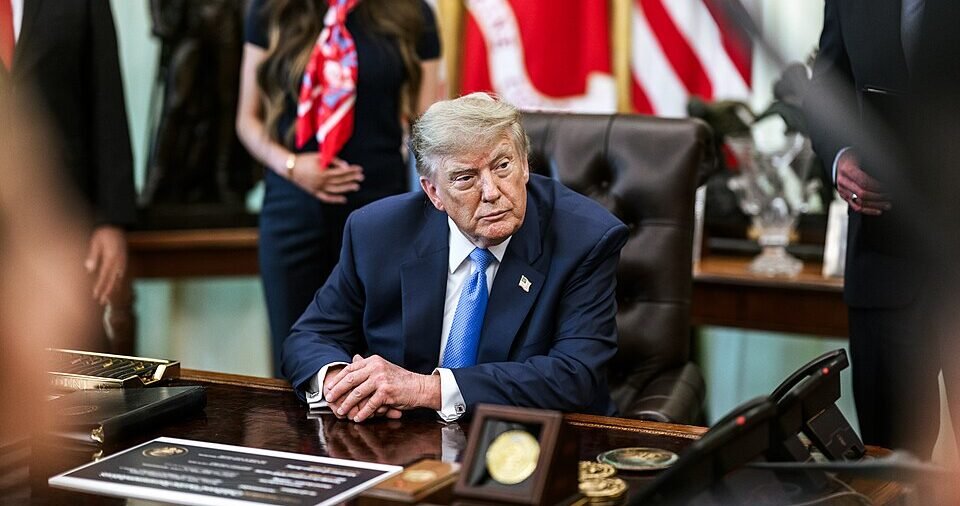
Speaking to reporters Wednesday, Trump said he has “no time schedule” for negotiations with Iran and indicated that the United States is prepared to maintain pressure while considering its next steps.
White House seeks to push Iran war OUT OF HEADLINES before the midterms — The Atlantic
— RT Intl (@RT_on_X) August 27, 2026
‘We’re just trying to hang on until the midterms,’ Trump adviser says as US shifts to economic pressure pic.twitter.com/a7KawsM6Ks
The comments reflect a familiar feature of Trump’s foreign-policy approach: negotiations, in his view, are most effective when the United States has substantial leverage.
Trump has repeatedly argued that economic pressure, military strength and the threat of further action can bring adversaries to the negotiating table under more favorable conditions for Washington.
For his supporters, that approach represents the core of the president’s “America First” philosophy. Critics, meanwhile, have warned that prolonged confrontation with Iran carries significant risks and could make diplomacy more difficult.
“I Have No Time Schedule”
The president’s remarks came amid continued questions about whether Washington and Tehran could reach a diplomatic understanding.
Rather than provide reporters with a deadline, Trump emphasized that he was not rushing the process.
“I have no time schedule. None. I’m not in a hurry.”
He also characterized the United States as being in a strong position.
Trump’s refusal to establish a public timetable is significant because diplomatic deadlines can create pressure on both sides. By keeping the timeline open, the administration retains flexibility over whether and when to pursue additional talks.
It also leaves Iran uncertain about what Washington may do next.
That uncertainty has been a recurring element of Trump’s negotiating style.
Pressure Remains Central to the Strategy
The administration’s approach to Iran has centered on pressure rather than concessions.
Trump has long maintained that Tehran should face serious consequences when it threatens U.S. interests, supports militant groups or moves toward activities Washington considers destabilizing.
The strategy also reflects Trump’s broader belief that economic leverage can influence the behavior of foreign governments.
Iran, however, has demonstrated considerable ability to withstand international pressure. Its economy has faced sanctions for years, while its government has continued pursuing its regional and security objectives.
That creates a difficult calculation for Washington.
Increasing pressure could strengthen America’s negotiating position. But excessive pressure could also reduce the space for diplomacy and increase the possibility of escalation.
Trump Keeps Intelligence Details Close
Trump has also been reluctant to discuss sensitive intelligence or operational questions publicly.
When reporters have asked about intelligence assessments and senior national-security officials, the president has generally avoided providing details that could reveal what the administration knows or how U.S. agencies are responding.
That approach is particularly important when Iran is involved.
The United States and Iran have a long history of confrontation, and even seemingly small developments can have wider consequences across the Middle East.
Public statements therefore carry significance beyond domestic politics.
A carefully worded presidential comment can reassure allies, warn adversaries or influence expectations in financial and diplomatic markets.
Supporters See “Peace Through Strength”
Trump’s supporters have embraced a foreign-policy philosophy commonly summarized as “peace through strength.”
The basic argument is that the United States is more likely to prevent conflict when potential adversaries believe Washington possesses both the military capability and political will to respond.
That philosophy has been central to Trump’s political identity for years.
His supporters contrast it with what they regard as weaker approaches by previous administrations, arguing that negotiations should not begin from a position of American vulnerability.
Trump’s opponents offer a different assessment. They argue that military pressure without a realistic diplomatic pathway can produce unintended consequences and that Iran’s government may respond to threats by escalating rather than backing down.
The debate is unlikely to disappear anytime soon.
The Bigger Question: What Comes Next?
The most important question now is what Trump ultimately wants Iran to do.
Maintaining pressure is a strategy, not an end result.
Washington could eventually seek a broader agreement covering Iran’s nuclear activities, missile capabilities, regional influence or other security concerns. Alternatively, the administration could continue applying pressure without setting a deadline for a comprehensive settlement.
Trump’s latest comments suggest that he wants to preserve both options.
By refusing to announce a timetable, the president avoids committing the United States to a diplomatic schedule that Tehran could exploit.
But the approach also places responsibility on Washington to determine when pressure has achieved enough to justify negotiations.
An America First Approach Faces a Serious Test
For Trump’s political base, the Iran confrontation represents another test of the president’s promise to put American security interests ahead of international expectations.
The administration argues that American strength should be used to protect U.S. citizens, deter threats and improve Washington’s negotiating position.
Whether that strategy succeeds will ultimately depend on results rather than rhetoric.
Iran remains a formidable regional actor. Its government has survived decades of sanctions and international pressure, while tensions involving the United States have repeatedly threatened to spill beyond diplomatic channels.
That makes Trump’s refusal to rush negotiations especially consequential.
For now, the president is signaling patience.
There is no publicly announced deadline, no promise of an immediate agreement and no indication that Washington intends to negotiate simply because Tehran wants talks.
Trump’s message is straightforward: the United States will decide when the time is right.
The coming weeks will reveal whether that patience produces a diplomatic breakthrough—or whether the pressure campaign pushes the two countries toward another dangerous confrontation.
For now, Washington appears prepared to wait.