Trump Blinked But the Bombers Are Still on the Runway
The US president postponed a planned strike on Iran after Gulf allies said a deal was close. Tehran is talking. But it’s not using the word “surrender” — and that gap may be everything.
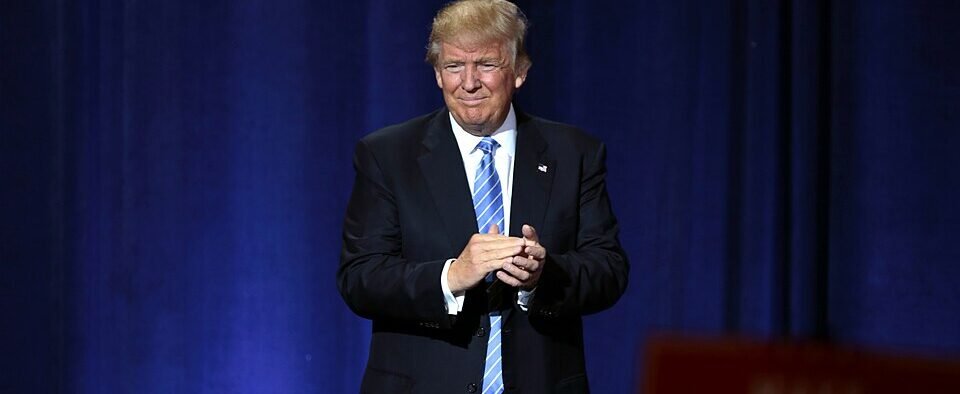
President Trump said Monday he called off a military strike on Iran — at least for now — after Saudi Arabia, Qatar, and the UAE reached out personally and asked him to give diplomacy a few more days. That’s not a small thing. When three of America’s most important Gulf allies are calling the White House asking you not to bomb their neighbor, you pick up the phone.
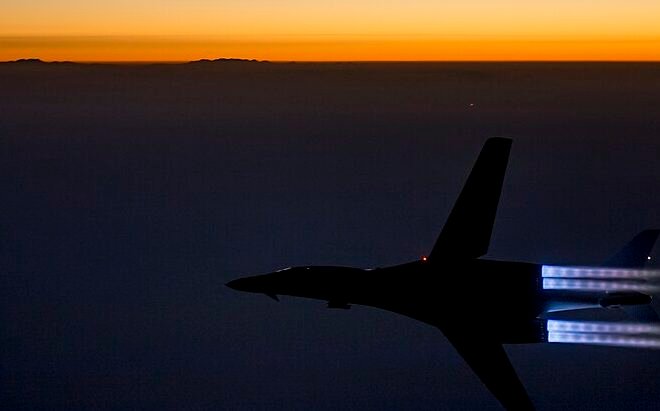
“I’ve put it off for a little while, hopefully maybe forever,” Trump told reporters, with characteristic ambiguity. He added that the US military has been instructed to be “ready to go tomorrow” with a “full large-scale assault” the moment talks collapse. So — paused, not cancelled. The finger is still near the button.
“We cannot let Iran have a nuclear weapon” — that part, at least, no one in Washington is arguing with.
Iran isn’t exactly rushing to the negotiating table with open arms either. Foreign ministry spokesman Esmail Baghaei confirmed that exchanges have been happening through Pakistan as a mediator, but made clear Tehran has a shopping list: frozen assets released, sanctions lifted, and — this one will raise eyebrows — reparations for the war. That’s a big ask for a country currently negotiating from a position of significant international pressure.
Iranian President Masoud Pezeshkian added his own caveat, saying publicly that “speaking with Washington does not mean surrender.” Which is a very particular thing to say. It suggests Iran is talking — but very aware of how it looks at home to be doing so.
[ AdSense unit — 336×280 or 300×250 in-content rectangle — high RPM placement ]
The most significant detail leaked so far came from Saudi news channel Al Arabiya, which reported that Iran has agreed to a long-term freeze on parts of its nuclear program — not a full dismantlement, but a meaningful pause. Even more intriguingly, the proposal reportedly includes Iran shipping its enriched uranium stockpile to Russia, not the United States. That’s not a small diplomatic footnote — it’s Iran signaling it trusts Moscow as a guarantor far more than Washington, which tells you something about the underlying geometry of this deal.
Whether this amounts to a real agreement or a stalling tactic is the central question. Trump has been here before with Iran — his first term saw a withdrawal from the Obama-era nuclear deal, followed by maximum pressure, followed by… more negotiating. The cycle is familiar. What’s different now is that the military option appears genuinely on the table in a way it hasn’t been before, and Gulf states with a front-row seat to any regional conflict clearly believe that.
For now: talks continue, planes stay grounded, and the world watches to see whether a deal that stops an Iranian bomb is actually possible — or whether this is just the latest chapter in a confrontation that has been building for decades.