
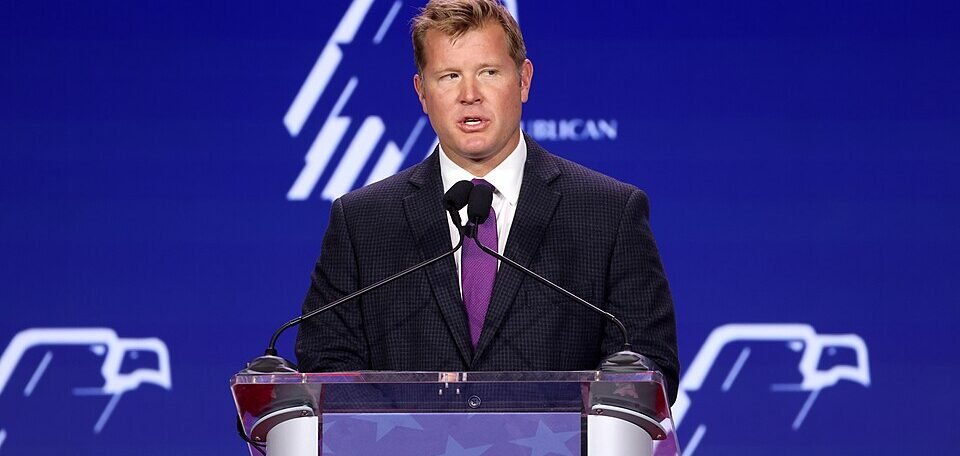
Sen. Tim Sheehy Says Iran Unlikely to Yield, Calls for Continued U.S. Pressure
Montana Senator Tim Sheehy said the United States should maintain strong economic and strategic pressure on Iran, arguing that the country’s leadership has historically used periods of reduced international scrutiny to rebuild its capabilities and strengthen regional influence.
Speaking during a recent Fox News interview, Sheehy, a Republican member of the Senate Armed Services Committee and former Navy SEAL, discussed U.S. policy toward Iran, ongoing security concerns in the Middle East, and the debate over whether diplomatic engagement or continued pressure offers the best path forward.
His remarks come amid continued discussions in Washington about Iran’s regional activities, sanctions policy, and America’s long-term role in Middle East security.
Sheehy Questions Prospects for New Negotiations
During the interview, Sheehy expressed skepticism that Iran’s leadership would fundamentally change its behavior through renewed negotiations. He argued that Tehran has consistently relied on temporary reductions in pressure to reorganize financially and militarily before resuming activities viewed as threatening by the United States and its allies.
According to the senator, previous periods of diplomatic engagement and sanctions relief have not produced lasting changes in Iran’s strategic objectives. Instead, he contended that easing pressure has often provided opportunities for the country to replenish resources and maintain support networks across the region.
Sheehy said this history is one reason he supports a continued “maximum pressure” approach rather than pursuing agreements that could provide economic relief without broader changes in behavior.
His comments reflect a viewpoint held by many policymakers who believe economic sanctions remain an essential tool for limiting Iran’s military ambitions and regional influence.
Focus on Financial Networks and Resources
A significant portion of the discussion centered on Iran’s economic resilience despite years of sanctions and international restrictions.
Sheehy argued that Iran has developed methods for preserving and moving assets worldwide, enabling the government to withstand external pressure for extended periods. He suggested that Iranian leaders have diversified financial holdings across multiple sectors and jurisdictions, making it difficult for sanctions alone to eliminate their access to resources.
The senator also claimed that Tehran has used periods of reduced scrutiny to strengthen financial networks that can later support state priorities and allied groups across the Middle East.
These assertions align with ongoing debates among policymakers and analysts about the effectiveness of sanctions programs. While supporters argue sanctions constrain Iran’s capabilities, critics have questioned whether economic pressure alone can achieve long-term strategic goals.
Americans Remain Wary of New Foreign Commitments
Beyond Iran itself, the interview touched on a broader issue facing U.S. leaders: public skepticism toward prolonged involvement in overseas conflicts.
Sheehy acknowledged that many Americans are reluctant to see the United States become deeply involved in another Middle Eastern confrontation. After decades of military operations in Iraq, Afghanistan, and elsewhere, public fatigue with foreign entanglements remains a significant factor in national security discussions.
Drawing on his own military experience, the senator said decisions that place American service members in danger should never be taken lightly. He also referenced the personal sacrifices made by military families, including his own.
At the same time, Sheehy argued that policymakers have not always effectively explained the potential consequences of ignoring threats abroad. He suggested that decisions made in the Middle East can have direct implications for U.S. interests, international stability, and the security of American allies.
Ongoing Debate Over U.S. Strategy
The discussion highlighted a long-running divide in Washington over how best to address challenges posed by Iran.
Some policymakers favor sustained economic pressure, military deterrence, and close cooperation with regional allies. Others argue that diplomatic engagement and negotiated agreements may provide more durable solutions while reducing the risk of escalating conflict.
Supporters of the pressure-focused approach often point to Iran’s support for armed groups across the region and concerns about missile development and other military programs. Advocates of diplomacy, meanwhile, contend that communication channels and negotiated frameworks can help prevent misunderstandings and reduce tensions.
The debate has intensified in recent years as geopolitical dynamics across the Middle East continue to evolve and as policymakers reassess America’s role in the region.
Regional Security Remains a Key Issue
Iran remains a central focus of U.S. national security discussions because of its influence across several regional conflicts and its relationships with various armed groups operating in the Middle East.
Concerns about regional stability, maritime security, missile programs, and the potential for broader confrontations continue to shape U.S. policy decisions. These issues regularly appear in congressional hearings, intelligence assessments, and discussions among defense officials.
Sheehy’s remarks underscore the fact that there is still no consensus in Washington about the best long-term strategy. While policymakers may disagree on tactics, many share concerns about regional security and the risks posed by escalating tensions.
Looking Ahead
As lawmakers, military officials, and foreign policy experts continue evaluating America’s approach toward Iran, the debate over pressure versus diplomacy is likely to remain at the center of policy discussions.
Sheehy’s comments reflect one side of that debate, emphasizing sustained pressure and skepticism toward negotiations. Others continue to advocate for engagement as a means of reducing tensions and avoiding future conflict.
For now, the conversation illustrates the broader challenge facing U.S. policymakers: balancing national security interests, regional stability, diplomatic opportunities, and public concerns about deeper involvement in overseas conflicts.


