The Strait of Hormuz Gambit Why the New Offer is a Strategic Test
In the high-stakes world of international diplomacy, an “offer” is rarely just a gesture of peace—it’s a move on a global chessboard. Right now, Tehran is playing for time, and the stakes couldn’t be higher.
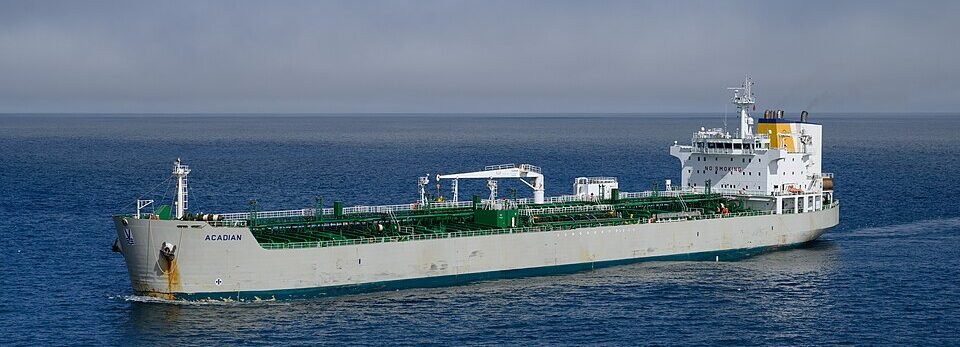
Reports are surfacing that Iran has proposed a new deal: they will reopen the Strait of Hormuz and effectively de-escalate the current conflict in exchange for a massive concession. The catch? The nuclear negotiations—the very issue that keeps global security experts awake at night—would be “postponed” for a later stage.
The Leverage Trap
To the casual observer, reopening the world’s most vital oil transit point sounds like a win for global markets. But looking closer at the structural reality, the “offer” starts to look more like a trap.
Currently, the naval blockade and billions in frozen assets are the primary tools bringing Tehran to the table. If those pressures are removed now in exchange for a shipping lane opening, the primary leverage disappears. It would essentially return the region to the status quo of early 2026—a world where nuclear enrichment continues in the shadows while the immediate economic pressure is lifted.
The Nuclear Dealbreaker
The U.S. administration has been consistent on one point: “They cannot have a nuclear weapon.”
The current stance is a hard line—no nuclear concessions, no deal. This has created a high-stakes game of “chicken” where the Iranian leadership appears internally divided. While some in Tehran are reeling from the economic crunch of the blockade, others are doubled down on a policy of “resilience,” betting they can outlast international pressure.
Real sincerity in these talks would be simple to prove. If the goal is truly to drop the blockade, the first step should be the surrender of highly enriched uranium stockpiles. Anything else is just a stall tactic designed to let the regime breathe.
A Bridge Too Far?
There is frequent talk of a “popular uprising” within Iran—a moment where the citizenry, exhausted by the cost of the regime’s ambitions, forces a change. But hope is not a strategy. The IRGC remains a massive, heavily armed force, and without a significant shift in internal power or external support, the regime’s core behavior remains unlikely to change through dialogue alone.
We are at a stalemate that the global economy cannot afford to ignore. With the Iranian Foreign Minister heading to Russia today, it’s clear they are looking for backdoors to ease the pressure. However, true stability isn’t bought with temporary shipping concessions. It’s built on the permanent removal of existential threats.
The world is standing fast. The question is: who blinks first?