
The Hormuz Standoff Why Trump Isn’t Biting on Iran’s Latest Peace Offering
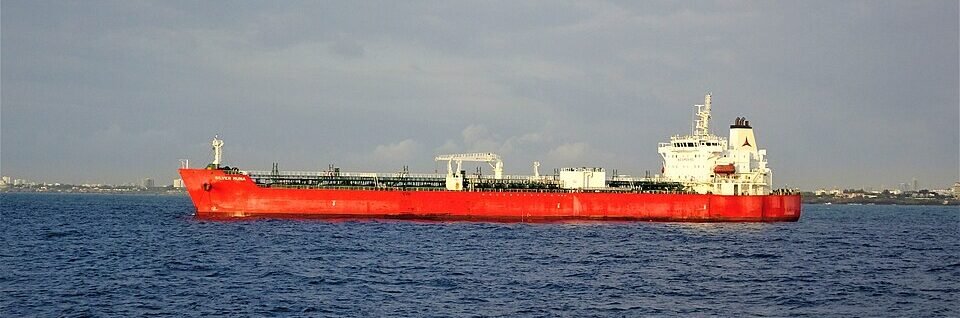
For the first time in two months, a flicker of movement appeared in the world’s most dangerous chokepoint. A lone LNG carrier from the UAE recently slipped through the Strait of Hormuz—a silent traveler past hundreds of anchored ships currently rusting in the Persian Gulf.
But if Tehran thought this small gesture would soften the resolve in Washington, they clearly haven’t been paying attention to the man in the Oval Office.
The Bait and the Hook
Reports suggest Iran has finally offered to formally reopen the Strait. On the surface, it looks like a win for global trade. Dig a little deeper, though, and the “catch” becomes clear: Tehran wants to talk about shipping lanes while keeping their nuclear ambitions off the table.
Secretary of State Marco Rubio didn’t mince words when asked about the proposal. To the administration, the nuclear question isn’t a side hustle—it’s the entire reason the U.S. is there in the first place. As Rubio pointed out, an Iran that seeks to dominate the region is a threat; an Iran with a nuclear weapon is a global catastrophe.
The Red Lines are Painted in Ink, Not Pencil
President Trump has been uncharacteristically quiet lately, opting to cancel envoy trips to Pakistan and telling Tehran, effectively, “You have my number.” But his “red lines” remain as rigid as ever:
- Zero uranium enrichment.
- Full dismantling of enrichment facilities.
- An end to the funding of terror proxies.
- Unrestricted access to the Strait of Hormuz (with zero tolls).
The White House is signaling that they aren’t interested in “incremental” deals that allow Iran to breathe while they continue to build a bomb in the basement.
The Clock is Ticking (And the Tanks are Full)
While the diplomats argue, the math is doing the heavy lifting. Thanks to a massive U.S. blockade—enforced by three aircraft carrier strike groups, the largest presence since 2003—Iran’s oil has nowhere to go.
Industry insiders suggest Iran’s storage tanks are nearing their absolute limit. Within one to three weeks, they will hit “peak capacity.” At that point, Iran won’t just be losing money; they’ll be forced to physically shut down oil production. You don’t just “flip a switch” to restart an oil field. It’s a move that could cripple their economy for a generation.
Is the Trump administration being “difficult,” or are they finally playing the hand that previous administrations were too afraid to deal? By refusing to settle for a lopsided deal that only fixes the shipping lanes, the U.S. is betting that the pressure of a total economic shutdown will force Iran to the table on everything—not just what’s convenient for Tehran.
For now, the carriers stay in the Gulf, the tankers stay anchored, and the world waits to see who blinks first.