The Art of the Peace Why Trump’s Phased Strategy Just Brought Iran to the Table
The mainstream media establishment spent months insisting that a “Peace through Strength” doctrine would inevitably drag the country into a permanent global conflict. Yet, a recent Fox 10 News broadcast highlighting the diplomatic breakthrough out of Dubai has revealed a reality the talking heads simply didn’t see coming: an imminent U.S.-Iran peace framework that could see a critical Memorandum of Understanding signed within days.
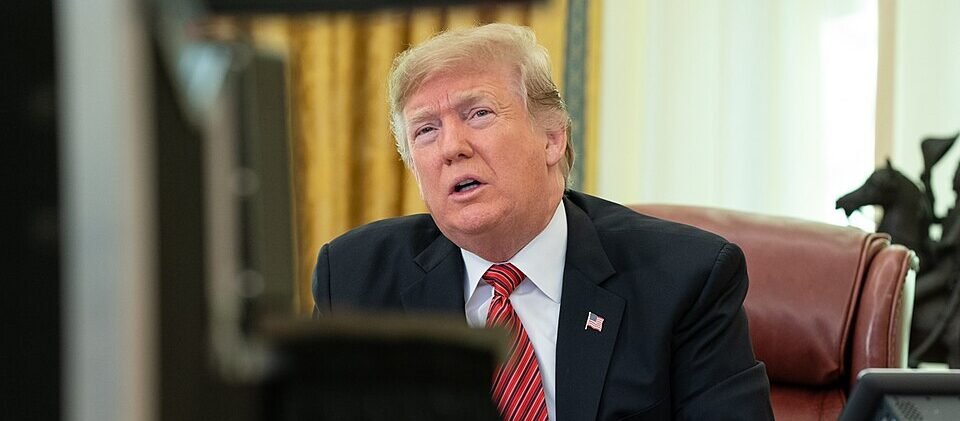
Taking to Truth Social to share the momentum, President Trump laid out a clear timeline for the end of the conflict, signaling a massive win for global trade:
“The Deal is scheduled to get signed tomorrow, and immediately after it is signed, the Hormuz Strait is OPEN TO ALL. Our relationship with Iran is a much different and better one than previous Administrations have had.” — President Donald J. Trump
While Iranian state media and conservative factions within Tehran are predictably attempting to downplay expectations—claiming a final decision hasn’t been finalized as Qatari and Pakistani mediators rush to iron out details—the underlying shift in momentum is undeniable.
Flipping the Failed Playbook of the Past
To understand why this development is a massive win for the America First doctrine, you have to look at how this strategy completely flips the script on previous foreign policy failures.
Instead of repeating the mistakes of the 2015 Obama-era Joint Comprehensive Plan of Action (JCPOA)—which handed over immense economic leverage and billions in cash upfront in exchange for hollow, easily broken nuclear promises—the current administration is reversing the order.
According to reports on the emerging framework, the entire strategy relies on a strict, two-stage process:
- Stage One (Immediate Economic Relief): The signing of the initial Memorandum of Understanding focuses entirely on stabilizing the global economy. The critical Strait of Hormuz—a narrow choke point responsible for roughly 20% of the world’s oil supply—will instantly reopen to international shipping, and the naval blockade on Iranian ports will conclude.
- Stage Two (The Nuclear Lockdown): Only after the global energy lanes are secured and economic pressures are normalized do negotiations transition into the second phase: permanently neutralizing Iran’s nuclear ambitions.
President Trump highlighted this structural difference plainly, calling his approach “A WALL TO NO NUCLEAR WEAPON,” ensuring that any economic benefits Iran receives are entirely contingent on complete, verifiable denuclearization.
A Masterclass in Leverage
This diplomatic pivot didn’t happen in a vacuum. It comes right on the heels of the administration’s willingness to play hardball, which included credible threats of crippling strikes against infrastructure if a deal wasn’t reached. By demonstrating absolute resolve and then seamlessly offering a diplomatic off-ramp, the administration effectively forced a hawkish Iranian leadership to calculate the true cost of continued defiance.
Even as hardline protesters gather outside the Foreign Ministry in Mashhad to voice opposition to the deal, the economic realities on the ground have left Tehran with very few choices. Treasury Secretary Scott Bessent noted that global energy markets are already reacting favorably to the diplomatic momentum, signaling that American consumers could see direct relief from elevated energy and fuel prices almost immediately.
What Lies Ahead
The establishment media will likely spend the coming days hyper-focusing on the bureaucratic delays and diplomatic posturing coming out of Tehran. But the big picture tells a completely different story.
By prioritizing the immediate reopening of global maritime trade and refusing to compromise on America’s long-term security constraints, this administration is proving that real leadership isn’t about entering endless nation-building projects. It’s about leveraging American dominance to protect the working class, secure global trade, and bring a decisive end to foreign conflicts from a position of absolute strength.