The 102-Day Leverage Play Why the Hormuz Apache Downing is Tied to the Rubble of Tyre
We are officially on Day 102 of the regional war, and the illusion that any single actor has absolute control over this conflict has completely shattered.
Just hours after a fragile, White House-brokered pause momentarily halted a direct, terrifying missile exchange between Israel and Iran, the entire theater fractured into a multi-front display of brinkmanship. In the waters of the Strait of Hormuz, a U.S. Apache helicopter was downed, forcing President Donald Trump into a high-stakes rhetorical corner. Simultaneously, Israeli airstrikes tore through the historic Lebanese port city of Tyre.
These events are not isolated incidents. They are part of a brutal, highly coordinated diplomatic poker game where military force is being used to write the fine print of a highly volatile peace framework.
+-----------------------------------------------------------------------------------------+
|                          DAY 102: GEOPOLITICAL FRONT LINES & LEVERAGE                   |
+--------------------------+---------------------------------+----------------------------+
| Theater of Operation     | Active Tactical Event           | Strategic Diplomatic Goal  |
+--------------------------+---------------------------------+----------------------------+
| The Strait of Hormuz     | Downing of U.S. Apache; crew    | Tehran projects power to   |
|                          | rescued by autonomous sea drone.| demand broader concessions.|
+--------------------------+---------------------------------+----------------------------+
| Southern Lebanon (Tyre)  | Israel expands air campaign to  | Jerusalem seeks a total    |
|                          | historic Christian quarters.    | buffer zone, ignoring links|
+--------------------------+---------------------------------+----------------------------+
| Washington (Mediated)    | Secret back-channel talks via   | White House chases a fast  |
|                          | Pakistani intermediaries.       | framework peace deal.      |
+--------------------------+---------------------------------+----------------------------+
The Apache Dilemma: Telegraphing Deterrence Without Escalation
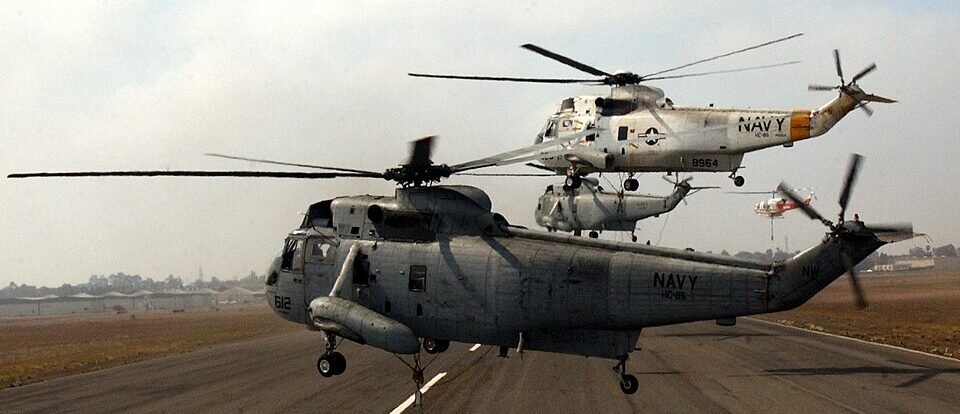
The immediate crisis for Washington centers on the Truth Social post fired off by President Trump, confirming the downing of a U.S. Apache helicopter patrolling the world’s most critical energy choke point. While both pilots were miraculously rescued unharmed by an autonomous navy surface vessel, the political damage was done.
For an administration that prides itself on projecting unyielding strength, leaving a downed American military asset unanswered is an operational impossibility. However, the true complexity lies in the timing. The administration is currently deep in mediated, back-channel negotiations via Pakistani intermediaries to finalize a short, high-level framework deal with Tehran to permanently reopen shipping lanes and lift regional maritime blockades.
If the White House responds too softly, it destroys its negotiating leverage and looks weak. If it responds too aggressively, it triggers a catastrophic tit-for-tat missile exchange that sinks the very peace deal it is chasing. By publicly telegraphing that an American counter-response is a “necessity,” the administration is attempting a delicate diplomatic dance: landing a calibrated blow to restore deterrence while signaling to Tehran that it wants to keep the executive peace pipeline open.
Tehran’s Strategy: Forcing Lebanon Onto the Table
To understand why Iran chose this exact moment to strike a U.S. asset, one must look at the devastating air campaign unfolding in southern Lebanon. Israel has heavily intensified its bombardment of Tyre, expanding its evacuation mandates into the city’s historic Christian quarter for the first time.
Jerusalem’s strategy is explicitly clear: separate the conflict with Hezbollah from the broader negotiations with Iran, utilizing overwhelming kinetic force to establish a permanent security buffer zone along its northern border.
"Drones and missiles come and go; what remains is the reality of the ceasefire line."
— Regional Diplomatic Memo, June 2026
Tehran, however, refuses to let its primary regional proxy be dismantled in a vacuum. By targeting a U.S. helicopter in the Gulf, Iran is sending a message through the back channels: Lebanon cannot be separated from the regional equation. The Iranian leadership is betting that its willingness to disrupt global maritime corridors will force Washington to pressure Israeli Prime Minister Benjamin Netanyahu into a broader, comprehensive regional drawdown.
The Domestic Reality: Netanyahu’s Binding Pressures
The wild card in this equation remains Prime Minister Netanyahu. Despite reports that missiles were already airborne when Washington urged a halt to the direct strikes on Monday, the underlying reality is that Israel’s operational dependence on the United States has reached an unprecedented peak.
Yet, domestically, Netanyahu faces a completely different set of survival metrics. While mass protests over judicial reforms remain a latent threat to his coalition ahead of the high-stakes October elections, there is a deep, cross-community consensus within Israeli society regarding the northern border. The majority of the electorate views the rocket and drone capabilities of Hezbollah as an existential threat that must be fundamentally broken, not temporarily paused by a diplomatic paper treaty signed in Washington or Islamabad.
The Mirage of a Quick Deal
The events of Day 102 expose the dangerous naivety of chasing a quick, superficial “framework peace.” You cannot sign a clean, three-page document to stabilize global oil markets while ignoring active, existential warfare in the streets of Tyre and the skies of the Persian Gulf.
Iran’s leadership is operating under the distinct impression that their recent regional aggression gives them the upper hand to demand sweeping sanction rollbacks. Conversely, Israel is operating under the assumption that it can ignore Washington’s timeline to achieve a absolute military victory in Lebanon. As long as both sides believe they can shoot their way into a better bargaining position, any ceasefire deal brokered by the White House will remain a temporary mirage.