
Strait of Hormuz Tensions Rise as Yemen Faces a Deepening Humanitarian Crisis
The Middle East is facing renewed security concerns as reported attacks on commercial shipping in the Strait of Hormuz coincide with strikes on Saudi energy infrastructure and worsening humanitarian conditions in Yemen.
The developments highlight how regional conflicts can extend far beyond the battlefield, threatening international trade, energy supplies and access to essential goods for civilians.
According to the video report, maritime incidents have increased in the strategically important waterway, while Saudi Arabia has faced drone and missile threats attributed to Houthi forces operating in Yemen. At the same time, humanitarian organizations are warning that disruptions to supply routes and rising fuel costs are making an already difficult situation more precarious for Yemeni communities.
Although the incidents are unfolding across different locations, they are connected by a broader regional struggle involving Iran, Gulf states, armed groups and international powers.
Strait of Hormuz Growing Risks to Commercial Shipping
The Strait of Hormuz remains one of the world’s most important maritime passages for energy shipments. Connecting the Persian Gulf with the Gulf of Oman, it provides a critical route for oil and other commodities moving to international markets.
The video report describes a sharp deterioration in maritime security, citing damaged commercial vessels and two reported sinkings within a 24-hour period. It attributes these developments to information from maritime monitoring and regional reporting, although the precise circumstances of individual incidents require independent confirmation.
The report also describes changes in Iranian Revolutionary Guard Corps maritime tactics. According to the account, Iranian forces and aligned groups have increasingly relied on smaller boats to observe commercial tankers and relay information after reported losses of radar equipment and fast-attack craft.
The precise role of these vessels remains important to establishing what happened in each incident. Iranian authorities have reportedly attributed some damage to underwater mines, while other monitoring accounts have pointed to missile or projectile impacts.
These differing explanations illustrate the difficulty of assessing maritime incidents during an active regional confrontation.
For shipping companies, however, the immediate concern is operational risk. Damage to vessels, uncertainty about safe passage and the possibility of further attacks can force operators to reconsider routes, insurance arrangements and delivery schedules.
Any sustained disruption could also affect energy markets. Even without a complete closure of the strait, heightened security risks can increase transportation costs and add uncertainty to global oil supplies.
Saudi Energy Infrastructure Comes Under Pressure
The report also describes a drone and missile incident affecting facilities associated with Saudi Aramco in Dammam, eastern Saudi Arabia.
According to the video, the incident caused structural damage and a fire that officials said was contained without casualties. It also reports that falling debris from intercepted projectiles in Riyadh caused minor injuries.
These details have significant implications because Saudi Arabia is a major energy producer, and its infrastructure plays an important role in international petroleum markets.
The report attributes the attacks to Houthi forces based in Yemen. Saudi Arabia and its partners have long accused the movement of receiving Iranian support, while the wider conflict involves several regional actors with competing interests.
The video further describes Saudi-led coalition air operations targeting locations near Sana’a and along Yemen’s Red Sea coast.
The extent of the damage and the operational impact of the reported strikes should be distinguished from broader assessments of their strategic consequences. An attack on energy infrastructure does not automatically mean production has stopped, and the report does not establish a sustained interruption to Saudi oil output.
Nevertheless, repeated threats to energy facilities can raise concerns about the resilience of regional infrastructure and the potential cost of protecting it.
Yemen’s Humanitarian Situation Worsens
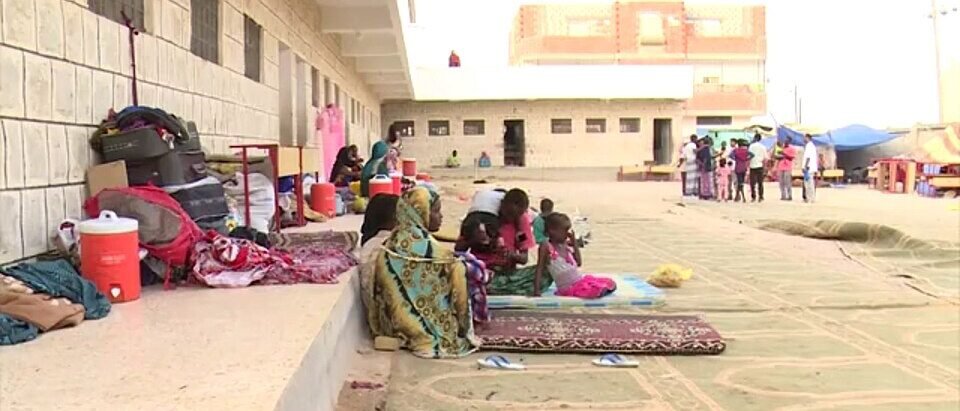
While military activity continues, civilians in Yemen face serious difficulties accessing food, fuel and basic services.
The video report cites warnings from the World Food Programme about declining supplies of staple commodities, including wheat and flour. It says some essential goods could run out within weeks if supply disruptions continue.
The report also highlights conditions around Taiz, where fighting and disrupted transportation routes have reportedly affected access to humanitarian assistance for approximately 800,000 residents.
That figure reflects the scale of the disruption described in the video and should be understood in that context; the report does not provide a separately verified breakdown of the affected population.
Fuel shortages are another major concern. In communities where water distribution depends on fuel-powered generators, rising costs or interruptions in supply can threaten access to clean water. Fuel is also essential for transporting food, operating medical facilities and delivering relief supplies.
The report says fuel prices have risen sharply and cooking gas has become difficult to obtain in some areas.
These pressures can reinforce one another. When fuel becomes more expensive, transporting food costs more. When transport becomes less reliable, supplies may become harder to obtain. Families already struggling to afford basic necessities can consequently face further hardship.
The United Nations and humanitarian organizations have continued to emphasize the importance of safe aid access and civilian protection during conflict.
Yemen’s Internal Political Divisions Add Complexity
The situation is further complicated by political divisions within Yemen itself.
The video reports that Aidarus al-Zubedi, leader of the Southern Transitional Council, called for a general mobilization across southern and eastern provinces.
The council has pursued greater autonomy and independence for southern Yemen, adding another layer to a conflict that already involves the internationally recognized government, the Houthis and regional powers.
Renewed mobilization could increase uncertainty over the country’s political future, particularly if military operations and competing territorial ambitions disrupt attempts to maintain local stability.
Yemen’s conflict cannot be reduced to a single confrontation between Iran and Saudi Arabia. Domestic political divisions, competing armed groups and years of weakened institutions have all contributed to the country’s continuing instability.
Understanding these factors is essential when assessing the prospects for a lasting settlement.
Diplomacy Faces a Difficult Test
The reported maritime and energy incidents are unfolding against a wider backdrop of regional tensions and discussions about possible military responses to Iran.
The video refers to high-level consultations concerning deterrence and potential action against Iranian military and nuclear facilities. It does not, however, establish that a particular military decision has been finalized.
For international policymakers, the challenge is to protect commercial shipping and energy infrastructure without triggering a broader confrontation that would create additional risks for regional populations.
Maritime security measures may help reduce immediate threats, but they cannot resolve the political disputes driving the conflict. Similarly, military operations may disrupt the capabilities of armed groups without necessarily addressing the conditions that allow instability to persist.
Diplomatic engagement, protection of civilian infrastructure and reliable humanitarian access will remain important components of any effort to prevent further deterioration.
What Comes Next?
The developments described in the report underline the connection between regional security and everyday economic life.
Threats to the Strait of Hormuz can affect energy transportation and international commerce. Attacks on Saudi infrastructure can raise concerns about supply security. Continued fighting in Yemen can leave civilians facing shortages of food, fuel and essential services.
The scale of the eventual impact will depend on whether maritime incidents continue, how energy producers respond and whether diplomatic efforts can limit further escalation.
For now, the central concerns remain clear: keeping vital shipping routes safe, protecting energy infrastructure and ensuring that humanitarian assistance reaches people who need it.
Without progress on those fronts, the consequences of the conflict could extend well beyond the region, affecting global markets while deepening the hardship faced by civilians in Yemen.




One thought on “Strait of Hormuz Tensions Rise as Yemen Faces a Deepening Humanitarian Crisis”