Push for Uniform Election Day Gains Attention as Debate Over Voting Rules Intensifies
April 16, 2026 | Washington, D.C.
A growing call for a single, uniform national Election Day is sparking fresh debate across the United States, with supporters arguing it could fundamentally reshape how federal elections are conducted.
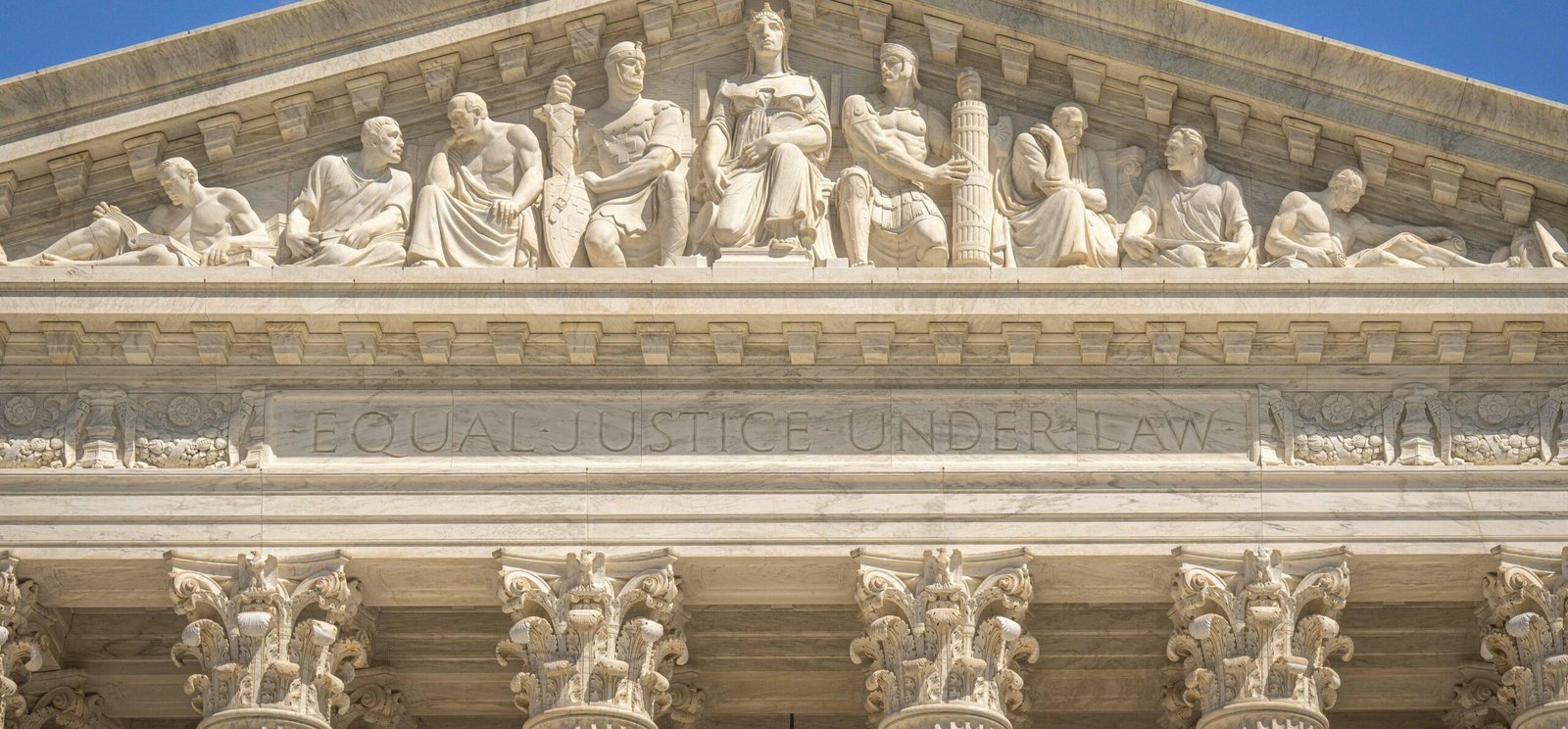
At the center of the discussion is the possibility that the Supreme Court of the United States could move toward requiring that all ballots—whether cast in person or by mail—be both submitted and received by Election Day. If adopted, such a shift would mark one of the most significant changes to U.S. election procedures in decades.
A Simpler System—or a Stricter One?
Advocates say the idea is straightforward: one clear deadline, no ambiguity.
Supporters, including voices aligned with Donald Trump, argue that a uniform rule would “boost clarity and confidence” in election outcomes—two issues that have dominated political discourse in recent years.
There’s a certain appeal to that argument. Elections, after all, are easier to trust when the rules feel consistent and easy to understand. A single nationwide standard could eliminate the patchwork of deadlines that currently varies from state to state.
⚖️ But Critics See Trade-Offs
Not everyone is convinced this would be a net positive.
Critics warn that stricter deadlines—especially for mail-in ballots—could make voting harder for some groups, including overseas voters, military personnel, and those in rural areas where mail delays are more common. They argue that “clarity” shouldn’t come at the expense of accessibility.
Election law experts also note that states have traditionally controlled how elections are run, meaning any sweeping change could face legal and logistical challenges.
A Debate That Reflects a Bigger Divide
The conversation reflects a broader national divide over election integrity versus voter access. While some Americans prioritize tighter rules to prevent disputes, others emphasize making voting as accessible as possible.
In that sense, the push for a uniform Election Day isn’t just about timing—it’s about trust, participation, and how the country balances the two.
What Happens Next?
For now, the idea remains speculative, with no formal ruling in place. But the fact that it’s gaining traction signals that election rules will remain a central issue heading into future federal races.
Whether this proposal becomes reality or not, one thing is clear: how Americans vote—and when those votes count—is far from a settled question.