
Middle East Tensions Intensify as Qeshm Island Blasts, Shipping Security Concerns and Regional Flashpoints Draw Global Attention
The Middle East remains on edge as a series of military, security, and political developments unfold across the region. From reported explosions on Iran’s strategically important Qeshm Island to growing concerns about maritime security in the Strait of Hormuz, governments and international observers are closely monitoring a situation that continues to evolve amid an already fragile geopolitical landscape.
The latest developments underscore how interconnected regional conflicts and security concerns have become, affecting international trade routes, military operations, civilian transportation, and domestic stability across several countries.
Explosions Reported on Strategic Qeshm Island
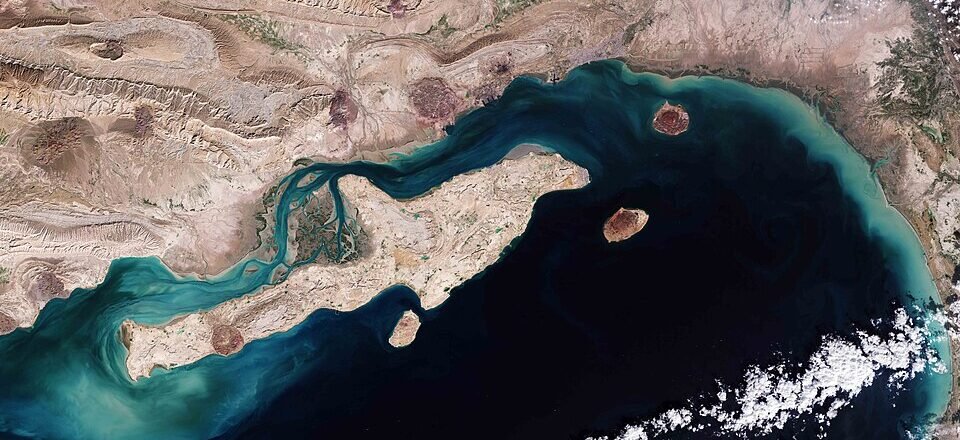
Attention has recently focused on Qeshm Island, located near the Strait of Hormuz, one of the world’s most important maritime chokepoints. Local Iranian officials reported multiple explosions on the island, prompting immediate speculation about the cause and potential implications for regional security.
Authorities stated that while blasts were confirmed, no significant damage was reported to residential neighborhoods or commercial facilities. Officials also indicated that emergency and security teams were deployed to assess affected areas and monitor the situation.
Qeshm Island occupies a highly strategic position overlooking key shipping routes used for the global transport of oil, liquefied natural gas, and other commercial goods. Because of its location, any security incident on or around the island tends to attract international attention and raises concerns among governments and shipping companies operating in the Gulf.
While reports have linked recent military activity in the area to broader tensions involving Iran and the United States, no immediate official confirmation was provided regarding responsibility for the latest incident.
Strait of Hormuz Remains Under Close Watch
The Strait of Hormuz continues to serve as a focal point for regional and international security concerns. The narrow waterway connects the Persian Gulf with the Gulf of Oman and the Arabian Sea, making it one of the most strategically important shipping routes in the world.
Recent reports of attacks on commercial vessels, maritime security incidents, and concerns about sea mines have renewed uncertainty among shipping operators. Industry analysts note that even isolated disruptions can significantly impact transportation costs, insurance premiums, and shipping schedules.
Energy markets are particularly sensitive to developments in the strait due to its critical role in global oil exports. While major shipping traffic continues to move through the waterway, security agencies and naval forces remain on heightened alert.
Adding to these concerns, aviation authorities in Europe have continued warning commercial airlines about potential risks associated with flying through certain areas of Middle Eastern airspace. Carriers have been advised to carefully assess flight routes over parts of Iran, Iraq, Lebanon, the Persian Gulf, and the Gulf of Oman as a precautionary measure.
Bahrain Intercepts Incoming Drones
Elsewhere in the Gulf, Bahraini authorities reported the interception and destruction of multiple incoming drones. The incident has added another layer of concern regarding regional security and the growing use of unmanned aerial systems in modern conflicts.
According to regional security officials, the drones were reportedly directed toward an area associated with military activity. The successful interception prevented any reported casualties or major damage, but the event highlighted continuing concerns about aerial threats in the Gulf.
The incident was reportedly one of several recent drone-related security alerts in Bahrain, contributing to an atmosphere of heightened vigilance among Gulf Cooperation Council states.
Regional governments have repeatedly warned that further escalation carries significant risks not only for military assets but also for civilian populations and critical infrastructure. Diplomatic channels remain active as countries seek to prevent a broader confrontation.
Public Frustration Emerges in Western Iran
Alongside external security pressures, Iran continues to face domestic challenges. Public demonstrations were reported in the western city of Abdanan following a fatal transportation accident involving oil and gas industry workers.
The bus crash, which resulted in multiple fatalities, triggered widespread public anger and calls for improvements to transportation safety and infrastructure standards.
Witness accounts indicated that what initially began as community-led demonstrations focused on road safety concerns gradually expanded to include broader expressions of dissatisfaction related to economic conditions and governance issues.
The protests reflect ongoing pressures faced by many communities dealing with economic uncertainty, inflation, unemployment, and infrastructure challenges. While local grievances often differ from one region to another, such incidents frequently become focal points for wider social concerns.
Developments in Yemen Add to Regional Complexity
Meanwhile, Yemen’s long-running conflict continues to evolve. Reports from the country indicate shifting territorial control in several strategic areas, particularly around transportation and supply routes.
Houthi forces have claimed gains in multiple locations, while coalition-backed forces continue military operations aimed at containing advances and protecting key government-held positions.
The conflict remains one of the most complex and devastating crises in the region, with military developments often carrying broader implications for Red Sea shipping lanes and regional security arrangements.
Analysts note that changes in leadership structures among anti-Houthi factions and ongoing military operations could influence future developments on the ground. However, a lasting resolution remains elusive despite repeated international diplomatic efforts.
Regional Stability Remains the Key Concern
Taken together, the reported explosions on Qeshm Island, maritime security concerns in the Strait of Hormuz, drone interceptions in Bahrain, domestic unrest in Iran, and ongoing conflict in Yemen illustrate the wide range of challenges currently facing the Middle East.
While each development has its own local context, they collectively point to a region navigating significant uncertainty. Governments, security agencies, and international organizations continue to emphasize the importance of diplomacy and de-escalation to prevent isolated incidents from triggering a broader regional crisis.
As events continue to unfold, global attention is likely to remain fixed on the Middle East, where developments in one area can quickly influence security, economic, and political conditions across the wider region.

Related Posts

Nvidia Board Rejects Jensen Huang Return as Company Pushes Ahead With Leadership Transition

Putin and Xi Meet Ahead of Trump Summit as Global Power Dynamics Take Center Stage
