
Kenya Mine Closure Leaves Maasai Communities Facing Water and Food Crisis
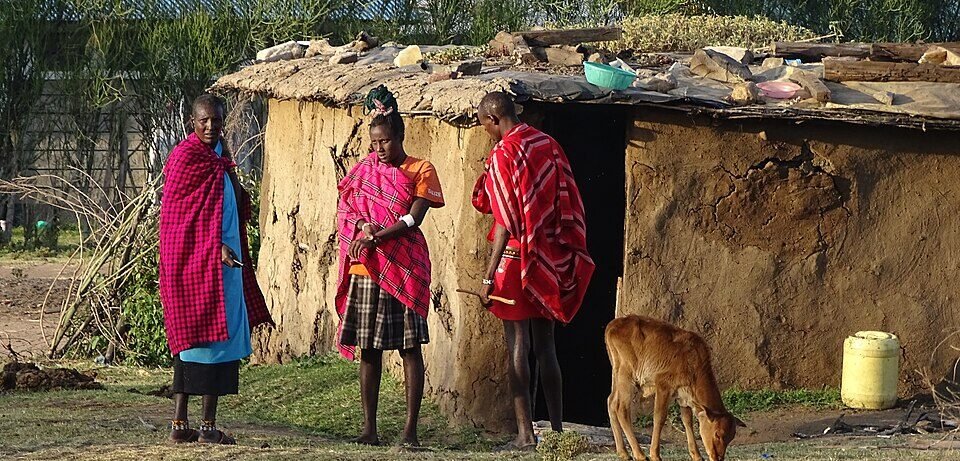
Thousands of Maasai residents in southern Kenya are confronting an escalating humanitarian challenge after the closure of a major mining operation disrupted access to water, employment, and essential community services.
The crisis is unfolding in a remote and arid region near the Tanzanian border, where local communities have long depended on infrastructure linked to a large industrial operation. Residents say the shutdown has intensified existing hardships, forcing families to travel long distances in search of water while also grappling with rising food insecurity.
At the center of the dispute is a long-established mining enterprise that has operated in the region for more than a century. The facility, known for extracting trona, a mineral used in products such as glass and detergents, has played a significant role in the local economy and daily life.
Government authorities ordered an interim closure of the operation amid disagreements related to mining regulations and broader questions about the benefits derived from the country’s natural resources. While officials have argued that compliance and national interests must remain a priority, the consequences of the shutdown are increasingly being felt by nearby communities.
Water Supplies Dwindle
For many villagers, access to clean and reliable water has become the most urgent concern.
Before the closure, infrastructure maintained by the mining operation reportedly helped deliver water to surrounding settlements. Pipelines, storage facilities, and water transportation services provided a crucial lifeline in a region known for chronic drought conditions and limited natural water sources.
Since mining activities were halted, residents say those services have significantly declined.
Community members now describe spending hours each day searching for water. Some families begin their journeys before sunrise to avoid the hottest temperatures, walking or traveling with donkeys across dry terrain to reach the few remaining watering points.
Women, who often bear responsibility for collecting water for household use, are among those most affected.
Local accounts indicate that available water supplies are frequently exhausted before everyone in need can be served. Long queues at collection points have become increasingly common, particularly during periods of extreme heat.
The challenge extends beyond household needs. Livestock, which represent a primary source of income and food security for many Maasai families, are also facing growing pressure as water becomes harder to obtain.
Economic Impacts Spread Through Communities
The closure’s effects are not limited to water access.
Many residents relied directly or indirectly on employment opportunities associated with the mining operation. As economic activity has slowed, local incomes have fallen, creating additional hardship for households already facing environmental challenges.
Community leaders report that some families are struggling to afford basic food supplies, and concerns about hunger have grown alongside the worsening water situation.
Staple foods that were once readily available are becoming increasingly difficult for vulnerable households to purchase. Families are making difficult decisions about how to prioritize limited resources, with some residents saying they are reducing meal sizes to ensure children can continue eating.
The combination of water scarcity and declining economic opportunities has created a situation that local advocates describe as increasingly precarious.
Aid Efforts Step In
In response to mounting needs, volunteer groups and charitable organizations have begun delivering emergency assistance to affected areas.
Support efforts have included food distributions, water containers, and other essential supplies aimed at helping families weather the crisis. Volunteers traveling from urban centers have worked alongside local leaders to identify households most in need of immediate relief.
While residents have welcomed these contributions, aid workers acknowledge that emergency assistance is only a short-term solution.
Humanitarian groups emphasize that long-term stability will require reliable water infrastructure and broader economic support initiatives capable of sustaining communities beyond emergency interventions.
Balancing Regulation and Community Needs
The situation has highlighted the complex relationship between industrial operations, government oversight, and local communities.
Many residents say they support efforts to ensure companies comply with national regulations and contribute fairly to the country’s development. However, they argue that essential services should remain protected when major policy disputes arise.
Community representatives have called for stronger safeguards to ensure that access to water and other critical resources does not become collateral damage during legal or regulatory conflicts.
Analysts note that the issue reflects a broader challenge faced in parts of Africa and other resource-rich regions, where local populations may depend heavily on infrastructure developed by private enterprises.
When such operations are disrupted, communities can find themselves vulnerable if alternative public systems are not already in place.
Uncertain Outlook
For now, uncertainty continues to dominate daily life for affected Maasai communities.
Residents, local leaders, government officials, and company stakeholders remain engaged in discussions over the future of the mining operation and the services once associated with it. Until a long-term solution is reached, many families will continue relying on temporary aid measures and limited water supplies.
Advocates argue that the immediate focus should be on protecting vulnerable populations while broader political and regulatory questions are resolved.
As Kenya continues to balance economic development, resource management, and regulatory reform, the experience of these Maasai communities serves as a reminder that decisions affecting major industries can have far-reaching consequences for the people living closest to them.
For thousands of residents facing long journeys for water and increasing concerns about food security, a durable solution cannot come soon enough.

Related Posts
Compassion on the Front Line Ebola Survivors Step In to Comfort Sick Children in the DRC

France Accuses Iran of Orchestrating Cyberattack on National Supermarket Refrigeration Systems