Katie Zacharia’s White House Tenure Ends After Just Five Days
After one closely watched press briefing and mounting questions about her credentials, Zacharia’s departure leaves the Trump administration facing fresh questions about its communications strategy.
Katie Zacharia’s brief tenure as White House press secretary ended on October 16, just five days after she began the job, following intense scrutiny of her first press briefing and questions about her professional background.
The departure marked an unusually short stint in one of the administration’s most visible communications positions. Zacharia had been appointed by President Donald Trump and was expected to help communicate his policies and respond to questions from journalists as the administration approached the November midterm elections.
Her exit came after a week of attention surrounding her debut at the White House briefing podium, her legal credentials and the administration’s handling of the appointment.
According to CNN’s October 16 reporting, Trump publicly described Zacharia as a good person who had been treated unfairly by the media. He also said he had encouraged her to reconsider whether the demanding role was right for her.
The episode has renewed attention on the president’s approach to staffing, the pressures of White House communications and the importance of preparing officials for high-profile public responsibilities.
A Rapid Start to a Demanding Role
Zacharia’s appointment was announced shortly before she began her duties. She had previously appeared as a conservative commentator on television and was familiar with defending Trump and his political agenda in public.
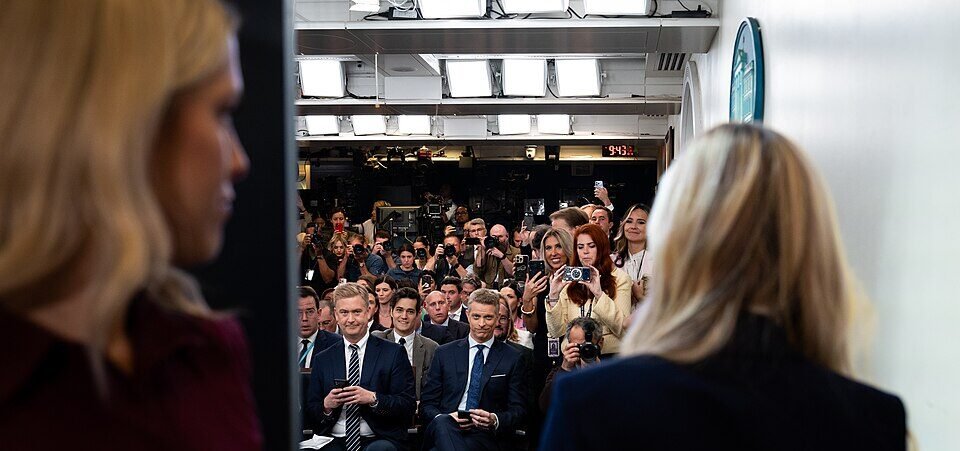
Her transition from media commentator to White House press secretary was swift. She delivered her first briefing on October 13, only days after the appointment was announced.
The briefing lasted approximately 14 minutes and included questions from three reporters, according to CNN’s coverage. Its short duration and format quickly attracted attention from journalists and political observers.
Zacharia opened by expressing gratitude to Trump for choosing her and describing her commitment to communicating the administration’s agenda.
However, portions of the briefing drew criticism, including a verbal slip in which she referred to her husband as “my president” before correcting herself.
The moment circulated widely and became part of the coverage surrounding her first days in the role. The reaction also raised questions about how much preparation and support she had received before taking on the position.
A press secretary must communicate policy clearly, respond to difficult questions and represent the administration during periods of political pressure. The role requires not only familiarity with the president’s priorities but also the ability to handle unpredictable exchanges with reporters.
Zacharia’s short introduction to the job left little time for her to establish a regular briefing routine or demonstrate how she would manage those responsibilities over the longer term.
Questions About Her Legal Credentials
Scrutiny of Zacharia’s professional background became another major issue during the week.
Questions emerged about whether she had passed a bar examination and whether descriptions of her as an attorney accurately reflected her qualifications. The subject received further attention after her television appearances following the briefing.
CNN reported on October 16 that the controversy surrounding her credentials contributed to the growing attention on her appointment.
Trump had previously indicated that he selected Zacharia primarily for her communication abilities rather than her legal expertise. Nevertheless, the questions became a distraction during a period when the administration was seeking to promote its policy agenda.
The distinction between professional credentials and communications experience is important. A press secretary does not need to be a lawyer to perform the role, but public claims about qualifications should be accurate and clearly presented.
The controversy illustrates how questions about an official’s background can quickly compete with the policy messages that person was appointed to deliver.
Trump’s Response to the Departure
Trump addressed questions about Zacharia as he prepared to leave Washington for a campaign appearance in Georgia.
Rather than publicly attacking her, the president offered sympathetic remarks, saying she was a good person and suggesting that the media scrutiny had been unusually harsh.
CNN’s reporting also cited sources who said Trump was embarrassed by the coverage of her first briefing. The president’s public comments, however, did not provide a detailed account of the internal discussions that led to her departure.
That difference matters. Public statements can establish what a political leader has said, while accounts of private deliberations often depend on sources who may have incomplete information.
The administration’s decision to end Zacharia’s tenure so quickly also raises questions about the appointment process, including how candidates are assessed and how much preparation they receive before assuming a demanding public role.
A Familiar Challenge for the White House
Zacharia’s departure invites comparisons with previous short-lived appointments in Washington, including Anthony Scaramucci’s 11-day tenure as White House communications director in 2017.
The positions are not identical, but both episodes illustrate how quickly senior communications roles can become difficult when public performance, internal expectations and media scrutiny collide.
The press secretary’s job is particularly challenging because the official is often required to explain decisions made by other parts of the administration while responding to questions that may involve incomplete or changing information.
The role also sits at the intersection of politics and journalism. The administration wants to communicate its priorities effectively, while reporters seek answers about decisions, controversies and public policy.
Maintaining that relationship can be difficult even for experienced officials. A short tenure makes it harder to develop consistent working arrangements or build familiarity with the briefing process.
What Comes Next?
Zacharia’s exit leaves the administration with another decision to make about who will lead its press briefings and how frequently those briefings will take place.
CNN reported that Trump was not rushing to name a replacement. The White House can continue communicating through other officials, written statements, interviews and presidential appearances while considering its next appointment.
The immediate question is who will assume the role permanently. The broader issue is how the administration will manage its public communications during the remaining weeks before the midterm elections.
For Zacharia, the five-day tenure represents a brief and highly visible chapter in her career. For the White House, it is a reminder that appointments to prominent communications positions can carry consequences far beyond the briefing room.
The episode has generated questions about vetting, preparation and the relationship between the president and the officials responsible for explaining his agenda.
Ultimately, the significance of Zacharia’s departure will depend partly on what the administration does next: whom it selects, how that person is prepared and whether the new arrangement allows the White House to communicate its policies more consistently.
For now, her departure closes one of the shortest recent chapters in the history of the White House press secretary’s office, while leaving the administration’s next communications move unresolved.