Kansas Farmers Weigh Rising Costs and Trade Worries as a Safe Senate Seat Becomes a Contest
In a state that has not elected a Democratic senator since 1932, economic frustration is making the 2026 midterms unusually competitive
Saturday, October 31, 2026
Kansas has long been counted among the most reliable Republican states in the country. Ahead of the midterm elections, it has become an unexpected focal point of political competition. Persistent financial pressure on farmers, swings in commodity prices and unease over national trade and economic policy are prompting fresh questions about how voters in the state will line up.
Agriculture is central to the state’s identity. Nearly 88% of Kansas land is used for farming, a share surpassed only by Texas and Montana. That makes the rural economy a natural barometer of voter mood, and producers say the past few years have been hard.
Rising costs on the farm
Crop farmers and livestock producers across central Kansas describe mounting operating pressures. They point to sharp increases in the price of essentials such as diesel fuel, agricultural chemicals and replacement parts for machinery. For operations that already run on thin margins, those costs add up quickly.
Trade is another concern. Local producers say tariffs, both past and ongoing, have complicated access to overseas markets. Soybeans and other staple grains have traditionally been exported in large volumes to buyers such as China. Producers say they now face stiffer competition from South American growers, who built alternative supply chains during earlier trade disputes.
Farmers also describe uncertainty over federal agricultural development programs. Reductions or changes to those programs have left many unsure about market stability and the long-term prospects for export growth.
A Senate race in play
Those grievances are feeding into the contest for the U.S. Senate seat held by Republican Roger Marshall. His challenger is Democrat Adam Hamilton, a moderate pastor. Local political analysts say the race has moved from a safe Republican hold to a competitive contest.
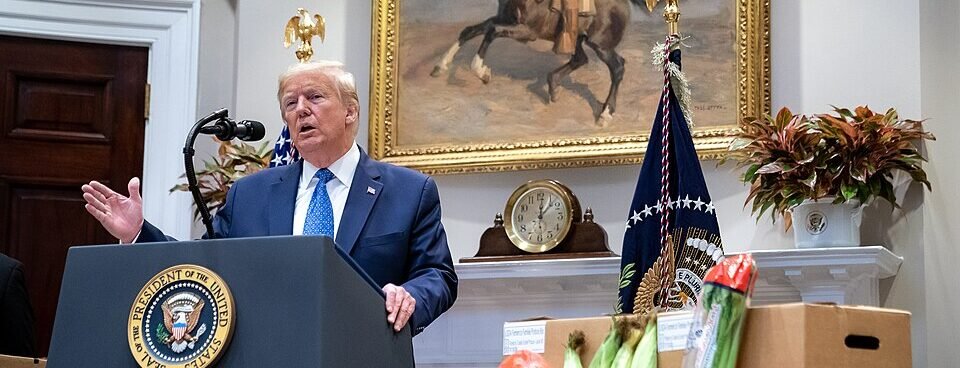
Republican incumbents are emphasizing conservative principles and their alignment with national party leadership. They have also highlighted recent executive-level visits to the state and proposals aimed at easing the burden on farmers.
Challengers and unaffiliated voters, by contrast, say economic dissatisfaction is the main force driving them. Observers note that independent and moderate voters in Kansas have a record of splitting their tickets in statewide races, including contests for governor. If turnout rises among disenchanted voters, those groups could prove decisive.
Concerns beyond the farm gate
Voter sentiment is not limited to agriculture. In community discussions involving local business owners, retirees and voters from a range of backgrounds, participants raised worries about inflation, the affordability of healthcare, immigration enforcement and the tone of political debate.
Opinions are divided. Some residents credit federal action with stabilizing certain sectors or reducing unauthorized border crossings. Others voiced strong concern about the effects of federal policy on household finances, about inflation and about regulatory decisions. There is also disagreement over how to balance national security enforcement with humanitarian considerations, and over whether government spending and taxation are working over the long term.
What to watch
The coming vote will test the loyalty of a traditionally Republican electorate. The outcome may depend on whether frustration over economic conditions and federal policy translates into changed votes, or whether long-standing party ties hold firm in what is often called America’s agricultural heartland.
For now, the race reflects a broader question hanging over rural America: how much weight farmers and ranchers will give to day-to-day financial pressures when they cast their ballots, and how much to the party loyalties they have kept for generations.