
Iran Cancels US Talks in Pakistan Amid Rising Tensions in Gulf Region
In a significant development, Iran has officially announced that it will not participate in the upcoming round of talks with the United States, which were scheduled to take place in Islamabad.
The confirmation came from Iran’s Foreign Ministry, with a spokesperson stating that there are currently no plans for a new round of negotiations with United States.
Talks Called Off at the Last Minute
The decision comes just hours before the expected meeting, signaling a sharp escalation in diplomatic tensions. According to officials, Iran believes Washington has failed to learn from past engagements, warning that current actions “will not lead to good results.”
This marks a setback for diplomatic efforts that were seen as a potential step toward easing tensions in the region.
Naval Blockade and Military Moves Spark Reaction
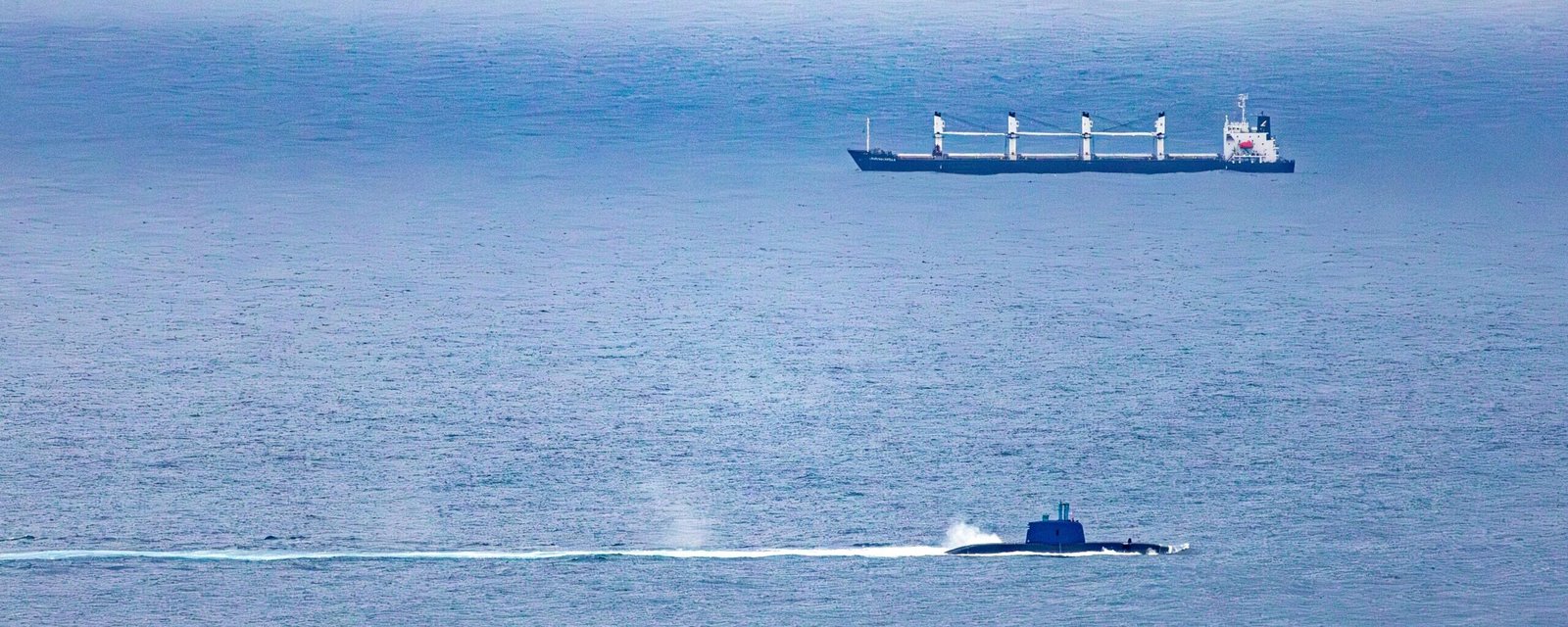
The breakdown in talks follows a series of aggressive developments in the region. The United States has increased its military presence across West Asia, including a naval blockade near the Strait of Hormuz, one of the world’s most critical oil routes.
Adding to the tension, U.S. forces recently intercepted and seized an Iranian-flagged vessel—an action that analysts say may have further strained relations.
Experts suggest these moves were intended to pressure Iran into negotiations, but the latest decision indicates that the strategy may have had the opposite effect.
Iran Signals Firm Stance
Iran has consistently described the U.S. military buildup and naval operations as non-negotiable issues, making it clear that such actions undermine trust and complicate diplomatic progress.
The latest announcement reinforces that stance, showing that Tehran is not willing to engage in talks under current conditions.
What This Means for the Region
The cancellation of talks raises concerns about further instability in the Gulf region, where tensions have already been high due to military activity and strategic disputes.
With diplomacy now on hold, the risk of escalation could increase, especially if both sides continue to adopt hardline positions.
Global Implications
The situation is being closely watched by global markets and policymakers, as any disruption in the Strait of Hormuz could impact global oil supply and prices.
For now, the focus shifts to whether backchannel diplomacy or international mediation can bring both sides back to the negotiating table.
2 thoughts on “Iran Cancels US Talks in Pakistan Amid Rising Tensions in Gulf Region”
Leave a Reply


Anyone who expected this not to happen is totally naive. If Iran does not get its way it walks.
They cant be trusted to keep their word and they never have been able to be good to their word they must
be brought to their knees and the people of Iran need to take their country and make it what it once was a jewel of Persia not a hell hole it is now people move to save yourself.