Global Tech Stocks Tumble as Investors Weigh AI Spending and the US Midterm Result
Technology shares fell sharply across Asia, Europe and the United States in a volatile sell-off. Investors reacted to worries about the cost of artificial intelligence infrastructure and about what the US midterm results could mean for the industry
Money moved quickly out of leading technology and semiconductor companies. The selling began in Asia and spread to Wall Street.
Asia takes the first hit
South Korea’s market was hit hard. Trading was briefly halted for 20 minutes after the main index opened more than eight percentage points lower. Two chipmakers, Samsung Electronics and SK Hynix, fell by roughly 10% at points during the session.
Taiwan’s market also suffered heavy losses. Analysts said investors were unsettled by the expectation that a Democratic-led Congress could bring tougher rules for energy- and water-intensive AI data centres. East Asian chipmakers supply much of the memory those facilities buy, so any slowdown in construction would affect them directly.
Wall Street’s sharp fall
US markets also fell heavily. The Dow Jones Industrial Average lost about 1,700 to 1,800 points, or roughly 3.2% to 3.4%, which erased the previous session’s gains. Reports of the exact figures vary slightly. The S&P 500 fell by more than 4%, one of its worst days since April 2025. The losses removed roughly $3 trillion in market value.
The Nasdaq Composite took the heaviest losses, dropping by more than 5% and moving into correction territory. A correction means a fall of at least 10% from a recent high.
UBS reportedly warned that nearly a third of planned data centre capacity could face regulatory hurdles or delays. That raised fresh questions about whether the huge sums being invested in AI will earn the returns investors expect.
Why the midterms matter to markets
The sell-off followed the midterm elections, in which Democrats won control of Congress. Investors are now trying to judge how that will affect the AI industry.
Voter concern about data centres has been growing in many regions. People worry about the strain on local power grids, the amount of water used and the environmental effects. Investors expect a Democratic Congress to look harder at the sector. That could mean more oversight, tighter environmental rules and limits on future expansion. Data centres sit at the centre of the AI investment case, so these possibilities weighed on share prices.
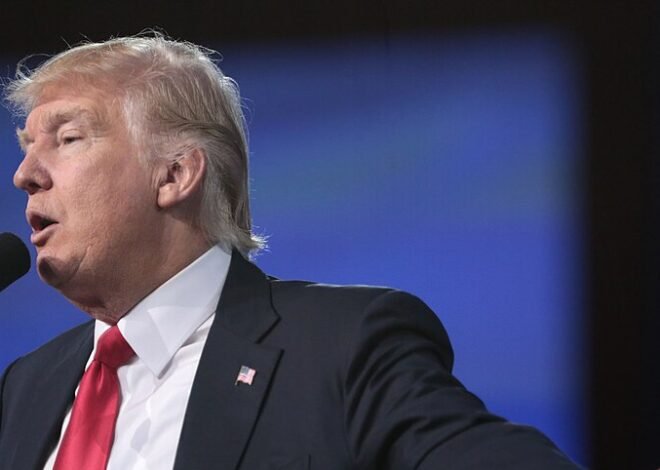
President Donald Trump acknowledged the market fall in social media comments. He blamed his political opponents following the shift in Congress. Many market commentators say the causes go deeper. They point to voter unease about how quickly AI infrastructure is spreading.
Is the AI boom over?
Analysts do not generally think so. Several argue that the sector is still at an early stage of development. They compare it to the early innings of a baseball game. Some say US regulation may become tougher. They add that global demand for technology infrastructure remains strong.
Large cloud and technology companies are also weighing other options, including building capacity in other countries. A Korean research head quoted in local reports said investment in US data centres could slow, but AI spending would remain a key driver of US economic growth.
What this means for investors
The episode shows how sensitive markets are to political news when valuations are high. It also shows the tension between rapid technological growth, public concern and regulation.
Several things are worth watching:
- Whether Democratic leaders propose specific limits on data centre construction
- How major technology companies describe their spending plans in upcoming earnings
- Whether Asian chipmakers see orders slow or hold steady
- Whether the market stabilises or the sell-off continues
Sharp one-day moves are often followed by more volatility. This article is for information only and is not financial advice. Readers with investments should consult a qualified adviser.