
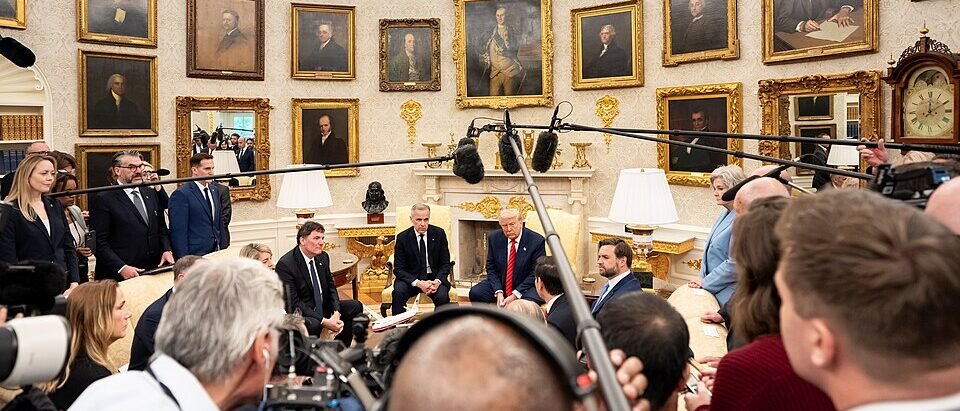
Canada-U.S. Trade Talks Accelerate as Both Sides Seek Path Forward
OTTAWA/WASHINGTON — Trade negotiations between Canada and the United States have entered a more active phase, raising hopes that long-standing disputes over tariffs and market access could move closer to resolution. As political pressures increase and economic stakeholders call for certainty, officials from both countries are engaged in intensified discussions aimed at finding common ground on a range of trade issues.
Recent developments have fueled optimism among business leaders and policymakers who have watched negotiations face repeated setbacks over the past several months. While significant differences remain, both governments appear committed to maintaining dialogue and exploring potential areas of compromise.
The renewed pace of discussions comes during a period when economic cooperation between the neighboring countries is under heightened scrutiny. Trade relations between Canada and the United States remain among the most significant in the world, with industries on both sides of the border relying heavily on integrated supply chains and cross-border commerce.
A Faster Pace of Negotiations
According to public statements from Canadian officials, communication between Ottawa and Washington has increased substantially in recent weeks. The growing frequency of meetings and discussions has prompted speculation that both governments are seeking to capitalize on a narrowing window for progress.
Canadian Prime Minister Mark Carney indicated that any movement toward a potential agreement reflects a closer alignment between U.S. negotiators and Canada’s key priorities. At the same time, he emphasized that Canada remains focused on protecting its core interests and maintaining clear negotiating boundaries.
That cautious optimism reflects a broader sentiment among officials who acknowledge that while negotiations are advancing, important issues have yet to be resolved.
Trade experts note that increased diplomatic activity often signals serious efforts toward compromise, but it does not necessarily guarantee a final agreement. Complex trade disputes frequently require extensive technical discussions and political approval before any framework can be finalized.
Tariffs Remain a Major Sticking Point
At the center of the negotiations are tariffs that have affected several important industries.
Businesses in sectors such as manufacturing, metals, and automotive production have closely monitored developments, arguing that prolonged trade uncertainty can increase costs and complicate investment decisions. Industry groups on both sides of the border have repeatedly called for predictable policies that reduce barriers to commerce and encourage long-term economic planning.
Canadian negotiators are reportedly seeking a broader approach that addresses the cumulative impact of tariffs across multiple sectors rather than focusing on a limited number of industries. Supporters of this strategy argue that trade challenges often extend beyond individual products and require wider solutions that reflect the interconnected nature of modern supply chains.
Meanwhile, U.S. officials must balance domestic economic priorities with international trade objectives, making negotiations particularly sensitive during a politically charged period.
Political Considerations Shape the Conversation
Trade policy rarely exists in isolation from politics, and the current negotiations are no exception.
With election-related attention increasingly focused on economic issues, trade has become an important topic in discussions about jobs, manufacturing, competitiveness, and regional economic growth. Policicians on both sides of the border recognize that trade outcomes can have direct consequences for workers, businesses, and local communities.
For American leaders, progress in negotiations could provide evidence of economic engagement and international cooperation. Conversely, an absence of progress may leave industries facing continued uncertainty regarding tariffs and market conditions.
In Canada, officials face pressure to secure favorable terms while avoiding concessions that could be perceived as undermining national economic interests. Provincial governments, business organizations, and labor groups continue to follow negotiations closely as they assess the potential effects on employment and investment.
Businesses Seek Stability
Beyond the political implications, many stakeholders are primarily concerned with economic stability.
Companies that operate across the Canada-U.S. border depend on predictable regulatory environments and efficient trade relationships. Uncertainty surrounding tariffs can influence pricing decisions, capital investments, and long-term business planning.
Economists frequently note that strong trade ties between the two countries support millions of jobs and contribute significantly to economic activity throughout North America. As a result, even incremental progress in negotiations can attract substantial market attention.
Business leaders have generally welcomed signs of increased communication, although many remain cautious until a formal agreement is reached.
Unanswered Questions Remain
Despite the growing momentum, several important questions remain unresolved.
One concern frequently raised by observers involves the durability of any agreement that may emerge. Policymakers and industry representatives alike are looking for assurances that any negotiated arrangement will provide lasting stability rather than a temporary solution subject to future political shifts.
Trust and enforcement mechanisms are also likely to play a significant role in shaping any final framework. Effective implementation often becomes just as important as reaching an agreement in the first place.
Negotiators therefore continue to face the challenge of balancing immediate economic needs with long-term strategic interests.
Looking Ahead
As negotiations continue, both Canada and the United States appear eager to keep discussions moving forward. The increased level of engagement suggests that officials recognize the importance of resolving trade tensions that affect businesses, workers, and consumers throughout North America.
Whether current momentum ultimately results in a comprehensive agreement remains uncertain. However, the recent acceleration in talks signals a shared understanding that stable economic relations benefit both countries.
For now, businesses, investors, and political leaders will continue watching developments closely, knowing that the outcome of these negotiations could influence trade policy, economic growth, and bilateral relations for years to come.