Bangladesh just crossed into the nuclear age. Here’s why it matters more than you think.
Energy Nuclear Power Bangladesh · May 7, 2026
Engineers began loading uranium into Rooppur’s first reactor this week — a quietly historic moment for a country that has spent decades keeping the lights on with gas and frustration.
33rdCountry to generate nuclear electricity
2,400 MWTotal plant capacity (2 reactors)
$13BProject cost, 90% Russian state-backed
There are moments in a country’s history that don’t announce themselves with fanfare — they arrive quietly, in the form of engineers in hard hats and uranium fuel rods. Bangladesh had one of those moments this week, when technicians at the Rooppur Nuclear Power Plant on the banks of the Padma River began loading fuel into Unit 1’s reactor core. It’s the kind of milestone that takes decades to reach and a single news cycle to forget. It shouldn’t be forgotten.
Bangladesh is now the 33rd country on Earth to harness nuclear energy. That’s a small club — and until recently, it was one that developing nations rarely entered. The Rooppur plant, built with significant technical and financial support from Russia’s state nuclear company Rosatom, has been under construction since 2017. At $13 billion, it’s the largest infrastructure project in the country’s history, with Russia financing a full 90% of the cost through a state loan. Whether you find that arrangement reassuring or uncomfortable probably depends on your worldview — but the reactors themselves are real, and they’re ready.
“The largest infrastructure project in Bangladesh’s history isn’t a highway or a port. It’s two nuclear reactors sitting quietly by the Padma River.”
The plant houses two VVER-1200 reactors — Rosatom’s third-generation design — each rated at 1,200 megawatts, for a combined capacity of 2,400 megawatts. When both units are fully operational, that’s roughly 10% of Bangladesh’s total electricity demand met by a single facility that produces zero carbon emissions during generation. For a country that has historically leaned heavily on natural gas (and suffered the consequences of gas shortfalls, price volatility, and rolling blackouts), that kind of baseload stability is genuinely transformative.
Following the fuel loading, Unit 1 will undergo a series of controlled fission tests and safety verifications before any power reaches the grid. Officials are targeting a trial supply of around 300 megawatts by August — modest by the plant’s eventual standards, but enough to prove the concept and begin retiring some of that chronic energy anxiety that has long plagued Bangladesh’s industrial sector. Full commercial operation is expected to follow in stages.
Critics will point — not unfairly — to the geopolitical strings that come attached to a $13 billion Russian loan. Bangladesh will be repaying that debt for decades, and Rosatom’s ongoing technical role creates a long-term dependency that some energy analysts view as a strategic vulnerability. These are legitimate concerns, and they deserve serious discussion. But they exist in tension with an equally legitimate reality: Bangladesh needed reliable, low-carbon baseload power, and nuclear was the path it chose. Pointing out the risks of that path is useful. Pretending a better path was available for free is not.
What happens in the coming months — the safety tests, the first electrons on the grid, the operational learning curve — will determine whether Rooppur becomes a model for other developing nations watching closely, or a cautionary tale. The fuel is loaded. The next chapter belongs to the engineers.
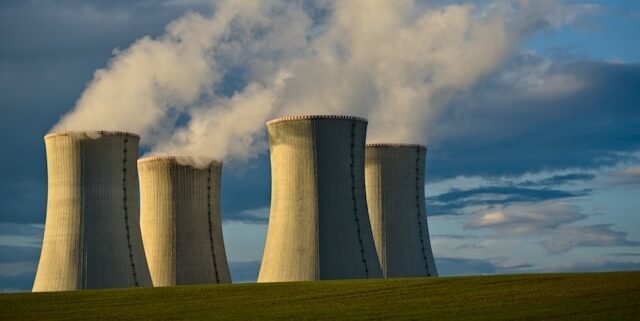
Photo by Lukáš Lehotský on Unsplash