
America’s 250th Celebration Unites Veterans, Astronauts, and History on the National Mall
Published: July 5, 2026 | Category: American History & National Events
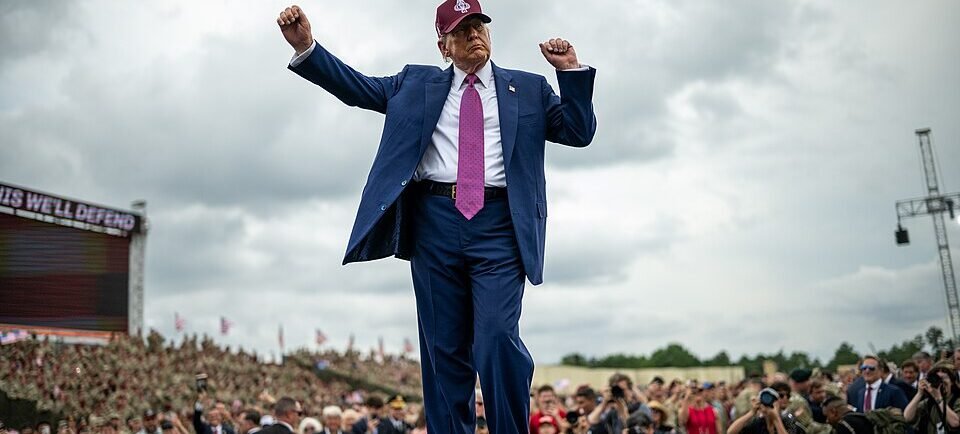
America’s 250th Independence Day celebration on the National Mall became a memorable display of national history, military service, and scientific achievement after severe weather briefly interrupted the evening’s festivities.
Shortly before the main program began, thunderstorms and lightning prompted the National Park Service to temporarily evacuate portions of the National Mall as a safety precaution. Once conditions improved, thousands of attendees returned, allowing the celebration to continue under clearing skies.
The event ultimately showcased not only patriotic ceremonies but also remarkable moments honoring generations of Americans who helped shape the nation’s history.
Honoring Those Who Served
One of the evening’s most meaningful moments came as several of America’s oldest living veterans were recognized before the crowd.
Among those honored were veterans whose service stretched across some of the defining moments of the twentieth century, including Pearl Harbor, D-Day, and the Battle of Iwo Jima. Their presence served as a powerful reminder of the sacrifices made by previous generations.
The ceremony also featured Colonel Paris Davis, a Medal of Honor recipient whose military service has been widely recognized for extraordinary courage and leadership.
Historical artifacts displayed during the event further connected visitors to America’s past, including a Revolutionary War-era flag and the flag that draped President Abraham Lincoln’s casket during his funeral observances.
Looking Toward America’s Future
The celebration also highlighted the nation’s continued investment in exploration and innovation.
Members of NASA’s recent Artemis II mission participated in the program alongside Jack Schmitt, the last surviving astronaut to have walked on the Moon during the Apollo program.
Organizers presented a ceremonial American flag that is expected to accompany a future lunar mission, symbolizing the connection between the achievements of the Apollo era and NASA’s current efforts to return astronauts to the Moon.
The ceremony reflected the growing national emphasis on science, technology, and space exploration as part of America’s long-term strategic priorities.
Policy Themes Shared During the Event
As is common during major national celebrations, the program also included remarks addressing current policy priorities.
Topics discussed included election integrity proposals, economic development, domestic manufacturing, and workforce growth. These issues continue to be debated in Congress and among policymakers, with supporters and critics offering differing perspectives on their potential impact.
Several economic statistics referenced during the remarks have been the subject of ongoing discussion among economists, who note that broad investment figures often combine multiple categories of public and private capital rather than representing direct government spending alone.
A Celebration Beyond Politics
While public attention often focuses on speeches delivered during major national events, many attendees described the evening as a broader celebration of American history and shared national identity.
The combination of Revolutionary War artifacts, World War II veterans, Medal of Honor recipients, and modern astronauts created a visual timeline spanning nearly 250 years of American history.
Despite the weather interruption, the event concluded with fireworks over the National Mall, providing a symbolic close to one of the country’s most significant Independence Day commemorations.
As the United States begins its next quarter millennium, the celebration served as a reminder of both the nation’s historical legacy and its continuing pursuit of new frontiers in science, service, and civic life.