Trump says Iran wants a deal. The US just shot another Iranian tanker. Both things are true and that’s the problem.
Iran War Analysis Lebanon May 7, 2026
The former head of MI6 called it “Alice in Wonderland stuff.” He wasn’t wrong. Welcome to the most confusing war de-escalation in recent memory.
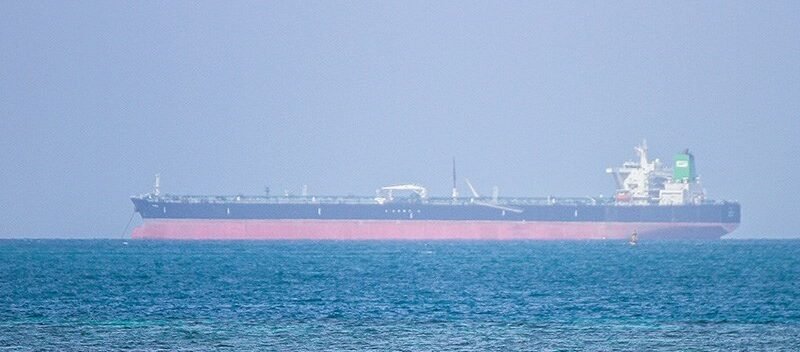
GULF OF OMAN Hot – US F-18 fired on and disabled an Iranian tanker today. Blockade holding.
DIPLOMACY Stalled- Iran reviewing US proposal. Pakistani mediators waiting. No response yet.
LEBANON Escalating – First Israeli strike on Beirut in weeks. 120+ killed in Lebanon in the past 7 days.
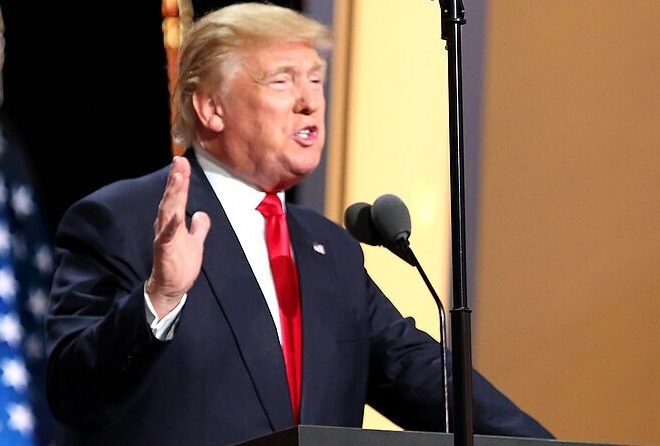
Somewhere between the Oval Office photo opportunity with UFC fighters and a US Navy jet disabling an Iranian oil tanker in the Gulf of Oman, President Trump found time to insist — twice, with conviction — that a deal to end the war with Iran is within reach. The Iranians, meanwhile, described the American proposal as more of a wish list than a serious negotiating document. Both sides, apparently, believe they are winning. That is either the beginning of a deal or the beginning of something much worse.
Here is where things actually stand. The US military’s blockade of Iranian ports and flagged vessels is functioning. Today’s incident — a US F-18 firing on and disabling the rudder of an Iranian tanker attempting to cross the blockade in the Gulf of Oman — confirms that Washington is not softening its enforcement posture regardless of what the president is saying at the podium. Iran’s oil revenues are being strangled. Its economy is under genuine pressure. Trump, who has been saying Iran is “desperate” to make a deal, is not entirely wrong about the leverage he holds.
“He’s trying to reverse out of a war which is very unpopular with Americans. But he needs a deal that doesn’t look like the one Barack Obama made. He needs it to look like a victory.” — Jeremy Bowen, BBC International Editor
But leverage and a deal are not the same thing. BBC international editor Jeremy Bowen put it plainly: Trump is attempting to exit a conflict that American voters didn’t want their country in, at petrol prices they didn’t want to pay, while simultaneously demanding terms that Iran cannot politically accept. The Iranian government — whatever its economic desperation — operates inside a domestic political framework built on the principle of resistance. An Islamic Republic that publicly surrenders its enriched uranium stockpile and accepts a 20-year ban on enrichment, on terms pre-announced by the American president on television, is not a government that survives the aftermath. Tehran knows this. Washington either knows it too and is gambling, or doesn’t — and that distinction matters enormously.
The former head of MI6, speaking on BBC Radio this morning, reached for the phrase “Alice in Wonderland” to describe the current state of affairs. It’s an apt image. Trump announces a deal is close. An Iranian tanker gets shot. Iran’s foreign minister flies to Beijing. China tells Iran to reopen the Strait of Hormuz. Pakistan waits by the phone. Israel bombs Beirut for the first time in weeks. And somewhere in all of this, a one-page memorandum of understanding is supposedly being drafted.
That Beirut strike deserves its own paragraph. A declared ceasefire between Israel and Hezbollah has been nominally in place for weeks. In that time, more than 120 people have been killed in Lebanon. Israel says every strike targets Hezbollah military assets — in this case, a commander accused of directing attacks on Israeli settlements. Critics, and they are not limited to Lebanon’s neighbors, argue that Israel has adopted what they call “Gaza tactics” — a characterization the Israelis themselves have used, without apparent embarrassment. A ceasefire that kills 120 people in a week is not a ceasefire in any meaningful sense. It is a conflict on a slightly reduced schedule.
The broader picture is of a region in which multiple wars are being fought simultaneously, at varying temperatures, with overlapping actors who all have different definitions of what “de-escalation” means. China wants Hormuz open because its oil supply depends on it. Iran wants sanctions relief and to keep its nuclear program. Israel wants Hezbollah dismantled and its northern settlements safe. Trump wants a win that looks nothing like Obama’s 2015 nuclear agreement — which he called the worst deal ever made — even if the underlying requirements are remarkably similar.
The most honest thing anyone said today came from Jeremy Bowen: Trump never understood the ethos of resistance that is baked into the Islamic Republic’s identity. Without acknowledging that Iran has interests it will not — and cannot — surrender, no framework survives contact with reality. The wish list stays a wish list. The tankers keep getting shot. The ceasefire keeps killing people. And the president keeps saying a deal is very close.
Maybe it is. But “very close” has been the answer for three months now. At some point the gap between the talking and the shooting has to close. So far, it hasn’t.
WHAT THE ANALYSTS ARE SAYING
“It’s Alice in Wonderland stuff. Trump is trying to reverse out of a war which is very unpopular with Americans — but he needs it to look like a victory, and that makes it much harder.”
Jeremy Bowen, BBC International Editor — May 7, 2026
“He never understood the strong ethos of resistance that they have in the Islamic Republic. Without acknowledging that they have rights they won’t surrender, it’s going to be very, very difficult.”
Jeremy Bowen, BBC International Editor — on Iran’s negotiating position