US Iran Talks on Edge as Ceasefire Deadline Approaches
Diplomatic efforts between the United States and Iran are entering a critical phase, but uncertainty hangs over whether meaningful progress will be made.
Officials suggest that planned peace talks in Islamabad may not even take place, with Iranian representatives signaling they could skip negotiations altogether. At the same time, global attention is turning toward Pakistan, where high-level discussions were expected to unfold.
Talks in Doubt as Pressure Builds
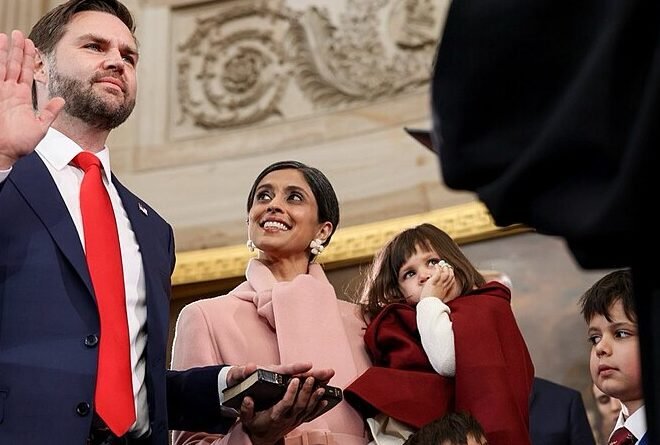
Security has tightened in Islamabad ahead of the anticipated meeting, where U.S. Vice President J.D. Vance is expected to lead the American delegation. However, recent statements from Iranian officials have raised doubts about their willingness to engage.
Iranian rhetoric has also grown sharper. Officials have pushed back against what they describe as pressure tactics, indicating they are not willing to negotiate under threats. This shift in tone suggests that diplomacy may face serious hurdles.
Strategic Tensions in the Strait of Hormuz
Meanwhile, the situation in the Strait of Hormuz remains tense. This critical waterway—vital for global oil shipments—is being closely monitored by U.S. Central Command.
Any disruption in this region could have far-reaching economic consequences, making it a key point of leverage in the broader standoff.
A Narrow Window for Diplomacy
Former President Donald Trump has emphasized a firm timeline for negotiations, signaling that there may be limited willingness to extend deadlines if no agreement is reached. This adds urgency to the already fragile diplomatic process.
Experts warn that even if a ceasefire or agreement is reached, questions remain:
- How would it be enforced?
- Would both sides fully comply?
- Could it hold in the long term?
These uncertainties continue to weigh heavily on global observers.
Hardline Influence and Growing Risks
Analysts point to increasing influence from hardline factions within Iran as a major obstacle. These groups are often less inclined toward compromise and may favor a more aggressive approach.
There are also ongoing concerns about Iran’s nuclear program, particularly its enriched uranium stockpile. Locating and securing such materials presents significant challenges, especially if diplomatic solutions fail.
Military experts note that any direct action to address these concerns would be highly complex and carry serious risks.
As the situation evolves, several scenarios remain possible:
- Diplomatic breakthrough (though currently unlikely)
- Continued stalemate and rising tension
- Potential military escalation if talks collapse
For now, the world is watching closely. The outcome of these negotiations—or lack thereof—could shape regional stability and global security in the days ahead.