Claims Surface Alleging Misconduct by Adam Schiff During Russia Investigation
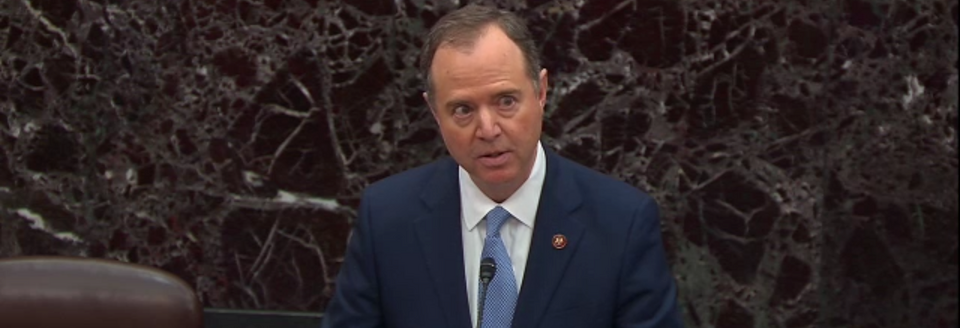
A new set of allegations is drawing attention in U.S. political circles, as a purported whistleblower claim accuses Adam Schiff of authorizing the leak of classified intelligence during the investigation into Russian interference in the 2016 election.
The claim, which has circulated widely online, suggests that sensitive information may have been shared with the intent to damage then-President Donald Trump at the height of the inquiry often referred to as the “Russiagate” investigation.
What the Allegations Say
According to the narrative being shared, a “senior Democrat insider” has come forward, alleging that Schiff personally directed members of his team to disclose classified intelligence. Supporters of the claim argue that, if proven true, it could represent a serious breach of national security protocols.
However, as of now, no verified evidence or official documentation has been publicly confirmed to support these specific accusations.
Context: The Russia Investigation
The broader investigation into Russian interference in the 2016 U.S. election was led by Special Counsel Robert Mueller. The inquiry examined links between Russian officials and individuals associated with the Trump campaign.
While the investigation did not establish a criminal conspiracy between the campaign and Russia, it did result in multiple indictments and raised ongoing political debate in the years that followed.
Reactions and Political Divide
Unsurprisingly, reactions to the latest allegations have been sharply divided along political lines. Critics of Schiff have amplified the claims, calling for further investigation, while others urge caution, emphasizing the importance of verified evidence before drawing conclusions.
So far, Schiff has not publicly addressed these specific allegations, and there has been no official confirmation from U.S. intelligence or law enforcement agencies.
The Importance of Verification
In today’s fast-moving digital environment, claims—especially those involving national security—can spread quickly. Experts stress the importance of relying on credible sources, verified documents, and official statements before accepting such allegations as fact.
Until more concrete information emerges, the claims remain unverified and should be treated with caution.