Supreme Court Ruling Expands Presidential Powers Under 1798 Law
In a closely divided decision, the Supreme Court of the United States has reportedly delivered a 5–4 ruling that could significantly expand presidential authority during national security situations.
The decision centers on the historic Alien Enemies Act, a centuries-old statute that allows the U.S. president to detain or deport nationals of hostile countries during times of conflict.
What the Ruling Means
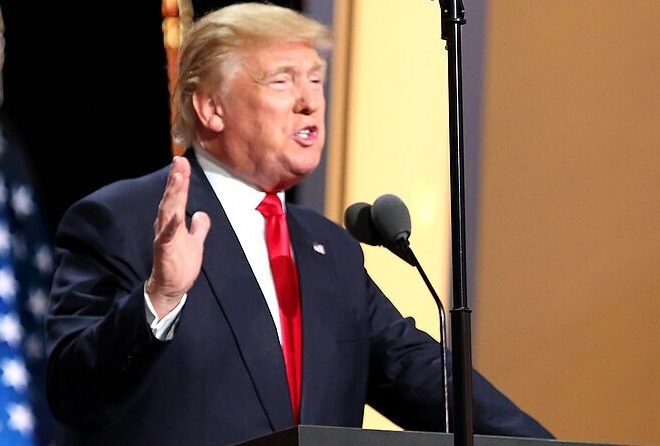
According to early reports, the ruling gives Donald Trump broader power to act against individuals deemed security threats—specifically alleged members of Tren de Aragua.
Supporters say the move allows faster action against transnational criminal networks, while critics worry it could bypass traditional legal safeguards.
Focus on Deportations and Security
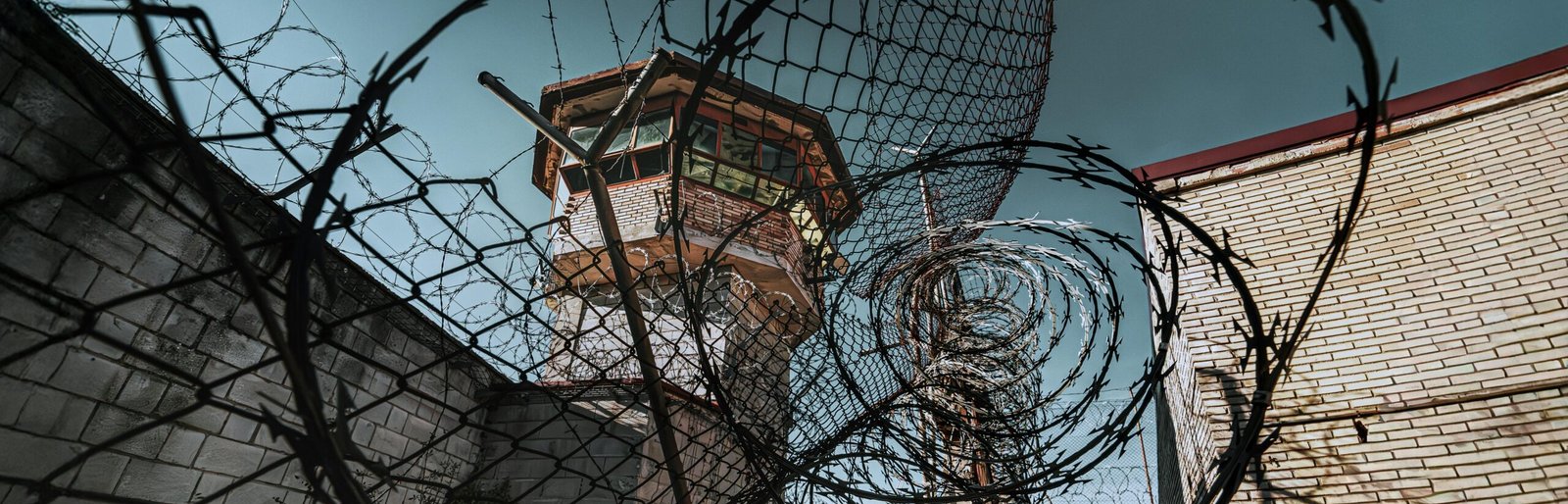
One of the most controversial aspects of the reported decision is the potential for large-scale deportations. These could include transferring detainees to facilities outside the U.S., such as high-security prisons in El Salvador.
Backers argue this could help dismantle dangerous gangs more efficiently. Opponents, however, raise concerns about due process, oversight, and human rights implications.
A Narrowly Split Court
The 5–4 ruling highlights deep divisions within the Supreme Court. The majority reportedly emphasized the need for strong executive authority in dealing with evolving global threats.
Meanwhile, dissenting justices are said to have warned about the risks of expanding presidential power too far—especially under a law written more than two centuries ago.
Legal Experts Urge Caution
Legal analysts note that the Alien Enemies Act has rarely been used in modern times and was originally designed for wartime scenarios involving foreign nations.
Applying it to contemporary issues like organized crime could set a major precedent, potentially reshaping how national security powers are interpreted going forward.
As details continue to emerge, attention will turn to how this authority is implemented—and whether it faces further legal challenges.
For now, the ruling—if confirmed—marks a pivotal moment in the ongoing debate over immigration, national security, and the balance of power in the United States.