Mossad Chief Roman Gofman Holds High-Level Washington Talks on Iran as Political Debate Intensifies in Israel
The intelligence chief’s meetings with senior U.S. officials underscore the importance of U.S.-Israel coordination on Iran while triggering questions and criticism from political rivals at home.
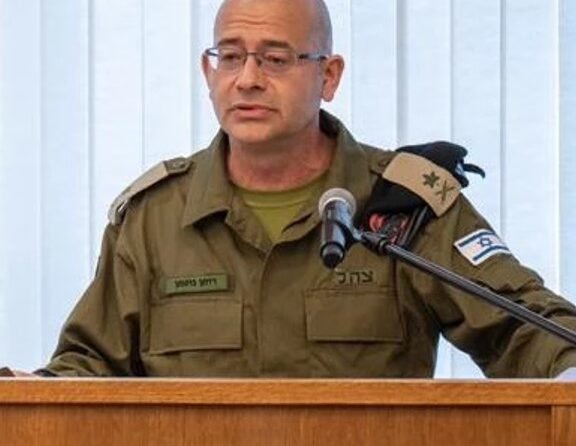
A visit by Mossad Director Roman Gofman to Washington has placed renewed focus on U.S.-Israel coordination regarding Iran, while also fueling political debate inside Israel over transparency, security decision-making, and the role of intelligence diplomacy during a sensitive period in domestic politics.
Intelligence Diplomacy Takes Center Stage
Washington and Jerusalem are once again engaged in high-level security discussions as Mossad Director Roman Gofman travels to the U.S. capital for meetings with senior American officials focused on Iran and broader regional developments.
According to reports from Israeli and regional media outlets, Gofman’s schedule includes consultations with senior members of the U.S. intelligence and national security community. The discussions are understood to center on Iran’s regional activities, security threats facing Israel, intelligence cooperation, and possible future diplomatic and security scenarios.
Although neither Israeli nor American officials have publicly disclosed detailed agendas, analysts say such meetings reflect the close intelligence partnership that has long existed between the two countries. At a time when tensions across the Middle East remain elevated, ongoing communication between intelligence agencies is viewed as a critical component of strategic coordination.
For both governments, maintaining a shared understanding of developments involving Iran remains a priority. Security officials regularly monitor issues ranging from regional military activity and proxy networks to nuclear-related concerns and maritime security challenges.
Strategic Importance of U.S.-Israel Coordination
The timing of the visit has attracted particular attention because it comes amid continuing geopolitical uncertainty across the Middle East.
Over the past several years, Iran-related issues have remained at the center of security discussions between Washington and Jerusalem. Israeli leaders have consistently argued that close cooperation with American intelligence and defense institutions is necessary to address potential threats and maintain regional stability.
Experts note that intelligence consultations often serve several purposes beyond immediate security concerns. Such meetings can help align assessments, exchange operational information, evaluate emerging risks, and prepare for future scenarios before political leaders make major decisions.
The visit also reflects the enduring importance of the U.S.-Israel strategic relationship. Despite occasional differences in approach, both countries continue to rely heavily on intelligence sharing and security cooperation in addressing regional challenges.
Observers say discussions likely include an assessment of current developments across the Middle East, regional alliances, and the broader security landscape that has evolved significantly in recent years.
Political Controversy Emerges in Israel
While the trip carries clear diplomatic and security significance, it has also become a subject of political controversy within Israel.
Reports that some senior political figures were not informed in advance of Gofman’s visit have sparked criticism from members of the opposition and political rivals of Prime Minister Benjamin Netanyahu. Critics argue that discussions involving major national security matters should be accompanied by greater transparency, particularly during periods of political transition and coalition negotiations.
Questions surrounding the handling of the visit have amplified existing tensions between competing political camps. Opposition politicians have raised concerns about decision-making processes and the extent to which key stakeholders are being included in security consultations.
Supporters of the government, however, contend that intelligence missions frequently require a high degree of confidentiality and that operational considerations often limit advance disclosure. They argue that national security discussions must remain insulated from political pressures whenever possible.
The differing views highlight a recurring challenge in democratic governments: balancing transparency and political accountability with the secrecy often required for intelligence and security operations.
Security Issues Meet Domestic Politics
Israel’s political landscape remains deeply polarized, and major security developments are frequently viewed through a domestic political lens.
As coalition-building efforts and political negotiations continue, nearly every significant national security decision is being scrutinized by both supporters and opponents of the government. The result is an environment in which foreign policy, intelligence activities, and political strategy often become intertwined.
Several political observers note that concerns surrounding Iran hold particular significance in Israeli public discourse. Because the issue is widely regarded as one of the country’s most important national security priorities, actions related to Iran inevitably attract heightened public and political attention.
At the same time, many former military and intelligence officials have stressed the importance of preserving professional security processes regardless of political disagreements. They argue that maintaining public confidence in national security institutions is essential during times of uncertainty.
Regional Implications
Beyond Israel’s domestic debate, Gofman’s visit underscores broader concerns about stability across the Middle East.
The region continues to face multiple challenges, including ongoing conflicts, shifting alliances, economic pressures, and questions about the future balance of power. Against this backdrop, U.S. and Israeli officials continue to evaluate the implications of Iran’s activities and the potential impact on regional security.
Analysts say intelligence diplomacy often plays a crucial role in preventing misunderstandings and ensuring that allies maintain a coordinated response to emerging threats. As a result, high-level meetings such as this one are closely watched by governments throughout the region.
Looking Ahead
As Roman Gofman concludes his meetings in Washington, attention will turn to whether the discussions produce new areas of cooperation or influence future policy decisions.
While the details of the talks may remain confidential, their significance is clear. The meetings reflect ongoing efforts by Israel and the United States to coordinate their approach to Iran and broader regional challenges at a time of heightened geopolitical uncertainty.
At the same time, the political reaction in Israel demonstrates how closely national security decisions are linked to domestic political dynamics. Whether viewed as a routine intelligence mission or a politically sensitive diplomatic engagement, the visit has already become part of a larger debate about governance, transparency, and security policy.
For now, policymakers, political leaders, and international observers will be watching closely for signs of how the Washington meetings could shape both regional strategy and Israel’s evolving political landscape

Related Posts

Nvidia Board Rejects Jensen Huang Return as Company Pushes Ahead With Leadership Transition

Putin and Xi Meet Ahead of Trump Summit as Global Power Dynamics Take Center Stage