
France to Represent Europe at Abu Dhabi Peace Talks as Diplomatic Efforts Intensify
A new round of diplomatic efforts aimed at addressing the conflict in Ukraine is gathering momentum ahead of planned peace talks in Abu Dhabi, where European leaders are seeking to ensure their interests remain part of any future negotiations.
France has announced that it will represent Europe during the upcoming discussions, reflecting growing concern among European capitals that long-term decisions affecting the continent’s security should include direct European participation. The development comes at a time when diplomatic activity is increasing across several regions, even as military operations continue on the ground and humanitarian concerns remain significant.
French Foreign Minister Jean-Noël Barrot said France would take part in the talks to ensure that Europe’s position is clearly represented. European governments have consistently argued that any discussions on regional security, territorial integrity, and future stability must involve the nations most directly affected by the consequences of the war.
The upcoming meeting in Abu Dhabi is being viewed as another attempt to maintain diplomatic engagement at a moment when military developments continue to shape realities on the battlefield. While expectations for a breakthrough remain uncertain, supporters of the initiative say continued dialogue is essential to keeping communication channels open between key international stakeholders.
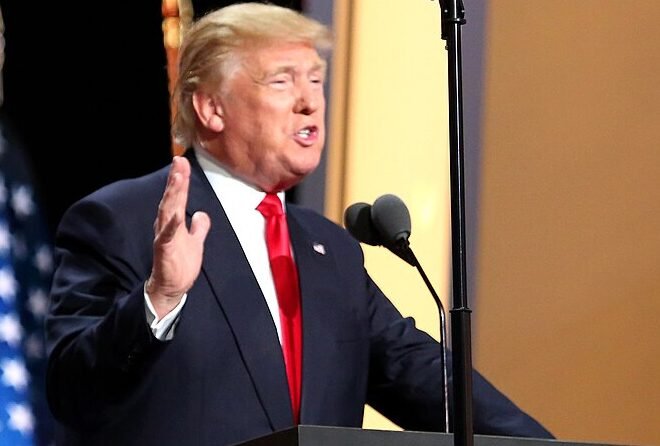
The diplomatic push has also involved regional powers seeking to play a constructive role. Turkish President Recep Tayyip Erdoğan recently engaged in discussions with U.S. President Donald Trump regarding the conflict and broader peace efforts. Türkiye has repeatedly positioned itself as a potential facilitator for negotiations, having previously hosted talks involving both Ukrainian and Russian representatives.
Analysts say the increasing involvement of multiple international actors reflects a growing recognition that any sustainable resolution will likely require coordination among a broad range of countries. Questions related to security guarantees, economic recovery, reconstruction funding, and regional stability are expected to remain central topics if negotiations continue.
Despite renewed diplomatic activity, conditions inside Ukraine remain challenging.
Ukrainian officials say the country continues to face large-scale aerial attacks involving drones, missiles, and guided bombs. According to Ukrainian authorities, recent strikes have targeted infrastructure and other strategic locations across multiple regions.
President Volodymyr Zelenskyy has argued that international pressure on Russian military supply chains remains a critical element of Ukraine’s defense strategy. Ukrainian officials continue to advocate for coordinated sanctions and restrictions aimed at disrupting the production and delivery of weapons used in ongoing attacks.
The continuation of hostilities has contributed to skepticism among some observers regarding the prospects for immediate progress at the negotiating table. While diplomacy remains active, both sides continue to pursue military objectives, creating a complicated backdrop for peace discussions.
Additional concerns have emerged around nuclear safety following another disruption at the Zaporizhzhia Nuclear Power Plant, Europe’s largest nuclear facility.
The plant, which remains under Russian control, reportedly lost connection to its final remaining external power source linked to Ukraine’s electrical grid. As a result, operators were forced to rely on backup diesel generators to maintain essential safety systems.
The incident has renewed international attention on the risks associated with operating nuclear facilities in conflict zones. Nuclear experts have repeatedly warned that interruptions to external power supplies can increase operational risks, particularly when they occur repeatedly over an extended period.
Although emergency backup systems are designed to function during outages, international organizations continue to call for safeguards that reduce the likelihood of future disruptions.
At the same time, questions remain about the participants and objectives of the upcoming Abu Dhabi discussions.
Some geopolitical analysts have expressed caution about the likelihood of a near-term breakthrough. Observers note that negotiations involving deeply entrenched positions often require extended diplomatic engagement before tangible results emerge.
Several experts have pointed to longstanding disagreements over territorial claims, security arrangements, military deployments, and future alliances as issues that could complicate efforts to reach common ground. These subjects have remained among the most contentious aspects of the conflict since its early stages.
Others argue that even limited progress could provide value by establishing frameworks for future discussions or confidence-building measures. Diplomatic initiatives do not always produce immediate agreements, they note, but can help maintain communication and reduce the risk of further escalation.
Humanitarian concerns also remain a significant factor.
Emergency response teams in some affected regions continue to operate under difficult conditions, carrying out rescue and recovery efforts following attacks on civilian infrastructure. Local authorities report ongoing challenges related to displacement, damage to public services, and broader community recovery needs.
For many civilians, the war’s human impact continues to be felt far beyond the front lines. Access to housing, electricity, medical services, and transportation remains a concern in several areas affected by the conflict.
As preparations for the Abu Dhabi talks continue, international attention is increasingly focused on whether renewed diplomatic momentum can generate meaningful progress. While expectations remain measured, the participation of France on behalf of Europe highlights the continent’s determination to play an active role in shaping any future path toward peace.
Whether the discussions result in substantive agreements or simply lay groundwork for further negotiations, the coming weeks are expected to provide an important indication of how diplomatic efforts may evolve amid one of Europe’s most significant security challenges in recent decades.

Related Posts

Compassion on the Front Line Ebola Survivors Step In to Comfort Sick Children in the DRC

France Accuses Iran of Orchestrating Cyberattack on National Supermarket Refrigeration Systems