
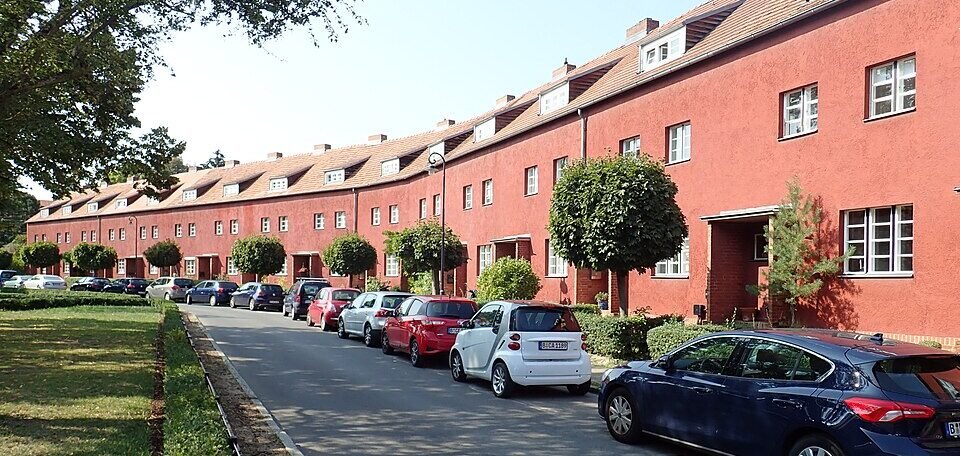
Berlin Revisits Housing Socialization as Rent Pressure and Shortages Persist
BERLIN — Berlin’s housing crisis remains a major concern for residents as high rental costs and a shortage of available homes continue to shape the city’s housing debate. Among the proposals attracting renewed attention is socialization: transferring housing owned by certain large private companies into public ownership.
The idea has divided tenants, housing campaigners, property companies and policymakers. Supporters argue that public ownership could help protect tenants from rising rents and give the city greater control over its housing stock. Critics question whether the policy would deliver affordable homes quickly enough, pointing to the potential costs, legal challenges and effects on future investment.
The debate is no longer simply about whether Berlin should intervene in its housing market. It is also about how the city can provide affordable accommodation while encouraging enough new homes to meet demand.
Why Berlin’s Housing Shortage Remains a Concern
The pressure on Berlin’s rental market reflects years of population growth, limited housing availability and construction challenges.
According to the 2026 Berlin Housing Market Report published by CBRE and Berlin Hyp, the average advertised rent for new tenancies reached approximately €15.80 per square metre in 2025. Although this represented little change from the previous year, rents remained high compared with earlier periods.
The shortage is particularly challenging for people searching for lower-priced accommodation. Existing tenants may pay substantially less than people entering the market, making a move to another apartment financially difficult.
Construction has also struggled to keep pace with demand. Official statistics from the Berlin-Brandenburg statistical office show that approximately 11,027 homes were completed in Berlin during 2025, down 28.2% from the previous year.
These figures highlight the scale of the challenge facing policymakers. Even if rental prices stabilise, a limited supply of available homes can leave households with few affordable options.
What Housing Socialization Would Mean
The current debate has its roots in a 2021 Berlin referendum organised by the campaign group Deutsche Wohnen & Co enteignen.
A majority of voters who participated supported a proposal calling on the city government to prepare legislation for transferring housing owned by large private companies into public ownership. The campaign focused on companies with more than 3,000 apartments in Berlin.
The referendum did not itself transfer properties or introduce a new housing law. Instead, it established a political mandate for further action, leaving important legal and practical questions unresolved.
Article 15 of Germany’s Basic Law provides a possible constitutional basis for socializing land and certain means of production under specified conditions. However, the provision has never been applied in this way, and significant questions remain about its interpretation, compensation requirements and implementation.
A legal analysis published in September 2026 by German law firm GÖRG noted that Berlin’s parliament passed a framework law in March 2026 addressing aspects of the state’s legislative powers concerning socialization. The framework does not itself transfer housing into public ownership. A separate, more detailed law would still be required.
Consequently, the proposal remains a matter of ongoing political and legal debate rather than a completed transfer of private housing portfolios.
Why Supporters Want Greater Public Ownership
Advocates argue that housing should be treated primarily as an essential service rather than an asset managed chiefly for financial returns.
They believe transferring large portfolios to a public or non-profit body could give Berlin greater influence over rent-setting, maintenance and the long-term use of residential buildings.
Supporters also argue that a larger public housing sector could help preserve affordable homes in neighbourhoods where market rents have become difficult for lower- and middle-income households to afford.
Public ownership, in their view, could allow housing decisions to focus more directly on residents’ needs and long-term affordability.
However, the practical results would depend on how a new system was designed and funded. Transferring ownership would not automatically guarantee lower rents in every apartment, nor would it create additional homes where housing is already scarce.
The Financial and Legal Questions
Opponents of socialization question whether the city could afford the proposal and whether it would improve housing conditions more effectively than other policies.
Compensation is one of the central issues. Germany’s constitution requires compensation for socialization, but the appropriate amount would depend on the legal framework and could become the subject of lengthy disputes.
If the transfer involved tens of thousands of apartments, the financial commitment could be substantial. Berlin would also need to fund building maintenance, renovations and ongoing property management.
Critics argue that public resources could instead support new housing construction, improve existing public housing or help remove administrative obstacles that delay development.
There are also concerns about investment. Some economists argue that uncertainty surrounding rent controls and property transfers can discourage developers from building or renovating rental homes. Supporters of socialization counter that public authorities should not rely exclusively on private investment to meet a basic housing need.
The effects would depend on the details of the policy, broader economic conditions and the availability of alternative sources of housing finance.
Can Socialization Solve the Crisis?
Berlin’s experience illustrates why housing affordability rarely has a single solution.
Transferring existing apartments into public ownership could change how those properties are managed, but it would not necessarily increase the overall number of homes available. New construction, renovation, planning approvals and the use of existing buildings would remain important parts of the wider challenge.
The city’s housing market also contains different problems that require separate responses. Some households need lower rents, others need larger family homes, and others struggle to find accommodation at all.
A successful strategy would therefore need to consider both the cost of existing housing and the availability of new homes.
Socialization remains one possible approach, but its effectiveness would depend on its legal design, financing, management and relationship with other housing policies.
What Happens Next?
The next stage depends on political decisions and the preparation of any specific legislation. Legal questions about constitutional authority, compensation and the proportionality of a transfer are likely to remain central to the debate.
For Berlin residents, the immediate concern is more straightforward: finding a suitable home at a price they can afford.
The discussion over socialization reflects a broader question facing major cities worldwide—how to balance private investment, public responsibility and the need for secure, affordable housing.
Whether Berlin ultimately adopts the policy or pursues other measures, addressing the shortage will require sustained attention to rents, construction and the needs of residents who are struggling to find a home.